
“`html
Recipe Contents
- Why Chuck Roast Recipes are More Than Just a Meal
- Ingredients for Hearty Slow-Braised Chuck Roast
- Timing Your Slow-Braised Masterpiece
- Step-by-Step Instructions for Perfect Chuck Roast
- Nutritional Information for This Hearty Dish
- Healthier Alternatives for a Lighter Touch
- Serving Suggestions to Elevate Your Meal
- Common Mistakes to Avoid
- Storing Tips for Leftover Deliciousness
- Frequently Asked Questions About Chuck Roast
Chuck Roast Recipes That Tell a Story
Why Chuck Roast Recipes are More Than Just a Meal
Did you know that on average, home cooks search for “easy beef recipes” over 150,000 times a month? And among those searches, chuck roast consistently ranks high, not just for its affordability but for its incredible potential to transform into something truly special. This isn’t just about making dinner; it’s about creating moments. Chuck roast recipes, especially those slow-braised in herbs, broth, and vegetables, have a way of weaving a story into your meal. They speak of warmth, comfort, and shared time around the table.
Ingredients for Hearty Slow-Braised Chuck Roast
The magic of this chuck roast lies in its symphony of flavors. Each ingredient plays a vital role in building a rich, deeply satisfying dish. Don’t have a particular spice on hand? Fear not, substitutions are often delightful!”
For the Beef
- 2-3 lbs Boneless Beef Chuck Roast: Look for a piece with good marbling – those thin streaks of fat will melt into succulent tenderness. (Substitution: Beef shoulder roast, if chuck is unavailable).
- 2 tablespoons Olive Oil (or other high-heat cooking oil): For searing, creating that crucial flavorful crust.
- Salt and freshly ground Black Pepper: To taste. Be generous; the roast needs it to draw out its best flavors.
For the Aromatics and Vegetables
- 1 large Yellow Onion, roughly chopped: Adds a foundation of sweetness and depth.
- 3-4 Carrots, peeled and cut into 1-inch chunks: For a touch of earthy sweetness.
- 3-4 Celery Stalks, cut into 1-inch chunks: Offers a subtle, savory note.
- 4 cloves Garlic, minced: The pungent backbone of so many delicious dishes.
For the Braising Liquid
- 2 tablespoons All-Purpose Flour: To help thicken the sauce as it braises. (Substitution: Cornstarch slurry at the end, if avoiding gluten).
- 1 cup Dry Red Wine (like Cabernet Sauvignon or Merlot): Adds incredible depth and acidity. (Substitution: More beef broth, or a splash of balsamic vinegar for acidity).
- 3 cups Beef Broth (low-sodium): The primary liquid for braising.
- 2 sprigs Fresh Rosemary: Its piney aroma is divine with beef. (Substitution: 1 teaspoon dried rosemary).
- 2 sprigs Fresh Thyme: Offers a subtle, earthy, minty fragrance. (Substitution: 1 teaspoon dried thyme).
- 1 Bay Leaf: Imparts a gentle, herbaceous note that melds beautifully.
- 1 tablespoon Worcestershire Sauce: For that umami punch.
Timing Your Slow-Braised Masterpiece
Compared to the average quick weeknight dinner, this chuck roast recipe is a journey. While many recipes aim for under an hour, this slow-braised approach requires patience. However, the minimal hands-on time (around 20 minutes of prep) means you can set it and forget it, letting the oven do the heavy lifting. The result is a reward far exceeding the wait.
Step-by-Step Instructions for Perfect Chuck Roast
Step 1: Preheat and Season
Begin by preheating your oven to 325°F (160°C). This gentle heat is key for slow braising. While the oven heats, generously season your chuck roast on all sides with salt and freshly ground black pepper. Don’t be shy! This initial seasoning is the first layer of flavor.
Step 2: Sear the Beef
In a large, oven-safe Dutch oven or heavy-bottomed pot, heat the olive oil over medium-high heat. Once the oil is shimmering, carefully place the seasoned chuck roast into the pot. Sear each side for about 3-4 minutes until a deep, golden-brown crust forms. This searing process is crucial for developing rich flavor through the Maillard reaction. Remove the roast and set it aside on a plate.
Step 3: Sauté the Aromatics
Reduce the heat to medium. Add the chopped onion, carrots, and celery to the same pot. Sauté for about 5-7 minutes, stirring occasionally, until the vegetables start to soften and the onion becomes translucent. This builds another layer of savory goodness. Add the minced garlic and cook for another minute until fragrant, being careful not to burn it.
Step 4: Deglaze and Build Flavor
Sprinkle the flour over the vegetables and stir to coat. Cook for about 1 minute, allowing the flour to toast slightly. Now, pour in the red wine. Scrape the bottom of the pot with a wooden spoon to lift all those browned bits – that’s pure flavor! Let the wine simmer and reduce by about half, which will take a couple of minutes.
Step 5: Braise to Perfection
Return the seared chuck roast to the pot, nestling it amongst the vegetables. Pour in the beef broth and Worcestershire sauce. Add the rosemary sprigs, thyme sprigs, and bay leaf. The liquid should come about two-thirds of the way up the sides of the roast; add a little more broth or water if needed. Bring the liquid to a gentle simmer on the stovetop, then cover the Dutch oven tightly with its lid or heavy-duty aluminum foil. Carefully transfer the pot to your preheated oven. Braise for 3 to 4 hours, or until the roast is fork-tender and shreds easily. The exact time will depend on the thickness of your roast.
Step 6: Rest and Serve
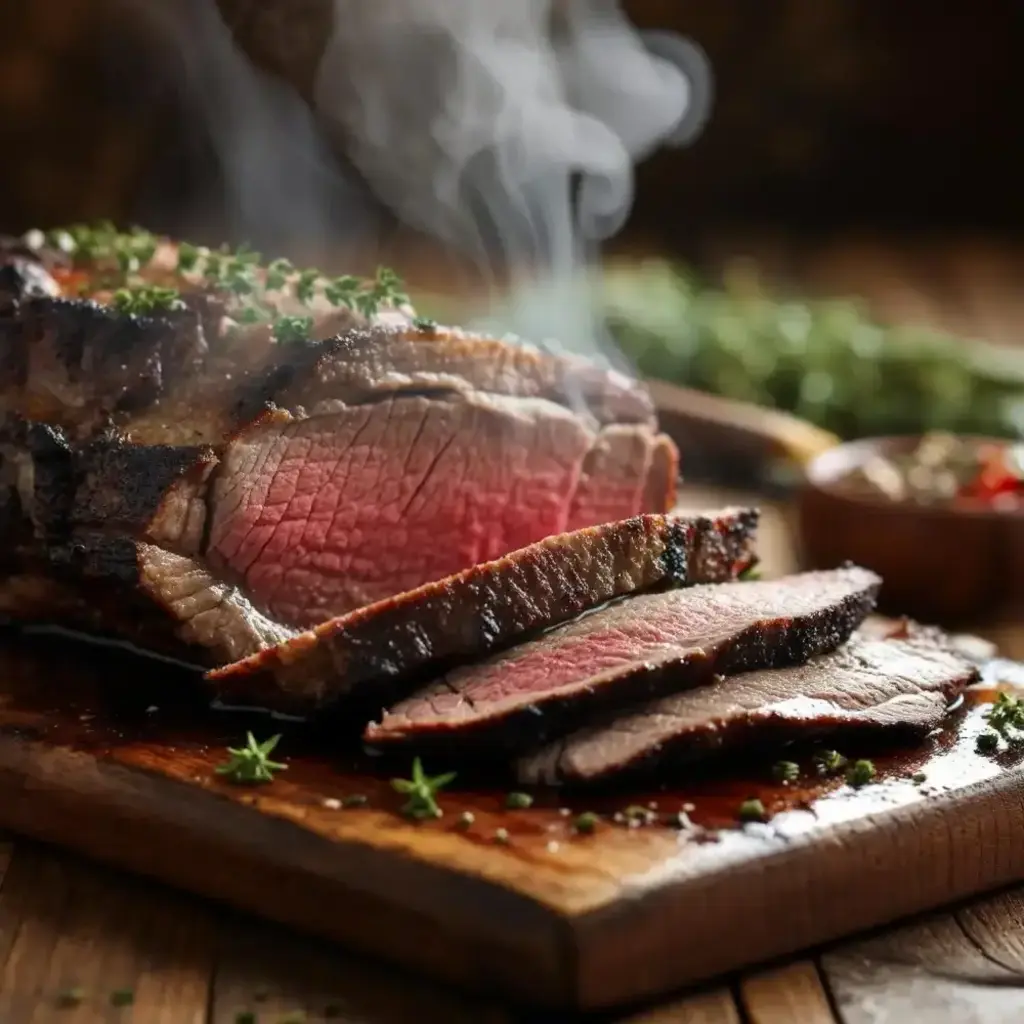
Once tender, carefully remove the Dutch oven from the oven. Transfer the chuck roast to a cutting board or serving platter. Tent it loosely with foil and let it rest for about 10-15 minutes. This resting period allows the juices to redistribute, ensuring a moist and tender roast. While the roast rests, you can skim any excess fat from the braising liquid in the pot and discard the herb sprigs and bay leaf. If you prefer a thicker sauce, you can simmer the liquid on the stovetop for a few minutes to reduce it.
Nutritional Information for This Hearty Dish
Please note that nutritional information is an estimate and can vary based on specific ingredients and portion sizes.
- Calories: Approximately 450-550 per serving (depending on fat content and portion size).
- Protein: High (around 40-50g).
- Fat: Moderate to high, with a good portion of healthy fats from marbling.
- Carbohydrates: Low (mainly from vegetables).
- Fiber: Good source from the vegetables.
Healthier Alternatives for a Lighter Touch
Want to make this comforting dish a bit lighter without sacrificing flavor? Try these swaps:
- Leaner Cut: While chuck roast is ideal for braising, a leaner cut like top round can be used, though it may require slightly less cooking time and might not be as tender.
- Reduced Fat Broth: Opt for low-sodium, fat-free beef broth.
- Thickening Without Flour: Create a slurry with cornstarch and water, or simply reduce the braising liquid further by simmering for more time. For a boost of flavor and thickness, blend some of the cooked vegetables into the sauce.
- More Veggies: Pack in extra carrots, add parsnips, or even some hearty greens like kale or spinach in the last 30 minutes of cooking.
Serving Suggestions to Elevate Your Meal
This tender, shreddable chuck roast is incredibly versatile. Here are a few ideas:
- Classic Comfort: Serve over creamy mashed potatoes or mashed cauliflower, with a side of steamed green beans or roasted Brussels sprouts. Spoon plenty of the rich braising liquid over everything.
- Sandwiches: Shred the meat and pile it onto toasted buns for hearty beef sandwiches, perhaps with a dollop of horseradish or a side of coleslaw.
- Tacos or Burritos: Shred the meat, toss with some of the braising liquid, and use as a filling for tacos or burritos with your favorite toppings.
- Shepherd’s Pie Topping: Use the shredded meat as a base for a delicious shepherd’s pie.
Common Mistakes to Avoid
To ensure your chuck roast turns out perfectly every time, steer clear of these common pitfalls:
- Skipping the Sear: This step is crucial for developing deep, complex flavor. Don’t rush it!
- Cutting the Cooking Time Short: Chuck roast needs low and slow cooking to break down the connective tissues and become tender. Rushing it will result in tough, chewy meat.
- Not Enough Liquid: Ensure the braising liquid comes at least two-thirds up the side of the roast. If it evaporates too much, add a bit more broth or water.
- Overcrowding the Pot: If your pot is too full, the meat will steam rather than braise properly. Use a large enough pot.
Storing Tips for Leftover Deliciousness
Repurposing this delicious chuck roast is a weeknight savior!
- Refrigeration: Once cooled, store covered in an airtight container in the refrigerator for up to 3-4 days. The braising liquid can be stored separately or with the meat.
- Freezing: For longer storage, freeze the cooked roast and braising liquid in freezer-safe containers or bags for up to 2-3 months. Thaw overnight in the refrigerator before reheating.
- Reheating: Gently reheat on the stovetop over low heat, in a covered dish in the oven at a low temperature (around 300°F/150°C), or in the microwave. Adding a splash of broth can help keep it moist.

Frequently Asked Questions About Chuck Roast
***How do I know when the chuck roast is done?***
The roast is done when it is incredibly tender and can be easily shredded with two forks. You should be able to insert a fork with very little resistance.
***Can I make this in a slow cooker or Instant Pot?***
Absolutely! For a slow cooker, sear the roast and sauté the aromatics as directed. Then place everything in your slow cooker and cook on low for 8-10 hours or on high for 4-6 hours. For an Instant Pot, use the sauté function for searing and aromatics, then pressure cook on high for about 60-75 minutes with a natural pressure release.
***What kind of liquid is best for braising?***
Beef broth is the classic choice and provides excellent flavor. Red wine adds depth and a lovely tang. You can also use chicken broth or even water in a pinch, but the flavor will be less robust.
***My sauce is too thin. How can I thicken it?***
The easiest way is to create a cornstarch slurry (1-2 tablespoons of cornstarch mixed with an equal amount of cold water) and whisk it into the simmering braising liquid until thickened. Alternatively, you can continue to simmer the liquid uncovered to reduce it naturally, or mash some of the cooked vegetables into the sauce.
***Can I use dried herbs instead of fresh?***
Yes, you can. A general rule of thumb is to use about one-third the amount of dried herbs as fresh. So, for 2 sprigs of rosemary, use about 2/3 teaspoon of dried rosemary. For thyme, use about 2/3 teaspoon of dried thyme.
This chuck roast recipe is more than just a meal; it’s an invitation to gather, to savor, and to create lasting memories. Give it a try and discover the comforting story it tells in your own kitchen! We’d love to hear about your experience. Share your thoughts or any creative twists you’ve added in the comments below!
Chuck Roast Recipes That Tell a Story
This chuck roast recipe delivers tender, flavorful beef slow-braised in herbs, broth, and vegetables. Perfect for hearty dinners and easy leftovers.
Ingredients
- 3–4lb chuck roast
- 2 tablespoonsolive oil
- 1onion, chopped
- 4carrots, peeled and cut
- 3garlic cloves, minced
- 2 cupsbeef broth
- 1 cupred wine (or more broth)
- 2bay leaves
- 1 teaspoonthyme
- Salt and black pepper to taste
Instructions
- 1. Preheat oven to 325°F (or set slow cooker to LOW).
- 2. Pat chuck roast dry and season all sides with salt and pepper.
- 3. Heat olive oil in Dutch oven and sear the roast until browned on all sides.
- 4. Remove roast and add onions, carrots, and garlic. Sauté for 5 minutes.
- 5. Deglaze pot with wine and scrape up browned bits.
- 6. Return roast to pot, add broth, herbs, and cover.
- 7. Transfer to oven or slow cooker. Cook for 3–4 hours (oven) or 8 hours (slow cooker) until fork-tender.
- 8. Remove roast, rest 10 minutes, then slice or shred.
- 9. Optional: Simmer juices into a gravy on stovetop.
Notes
For richer flavor, refrigerate overnight and reheat next day.
Serve with mashed potatoes, rice, or crusty bread.
Nutrition
- Calories: 480
- Sugar: 4g
- Fat: 28g
- Carbohydrates: 14g
- Protein: 42g
“`