
“`html
Table of Contents
Vineyard Burrata Elegance: A Rustic-Refined Delight
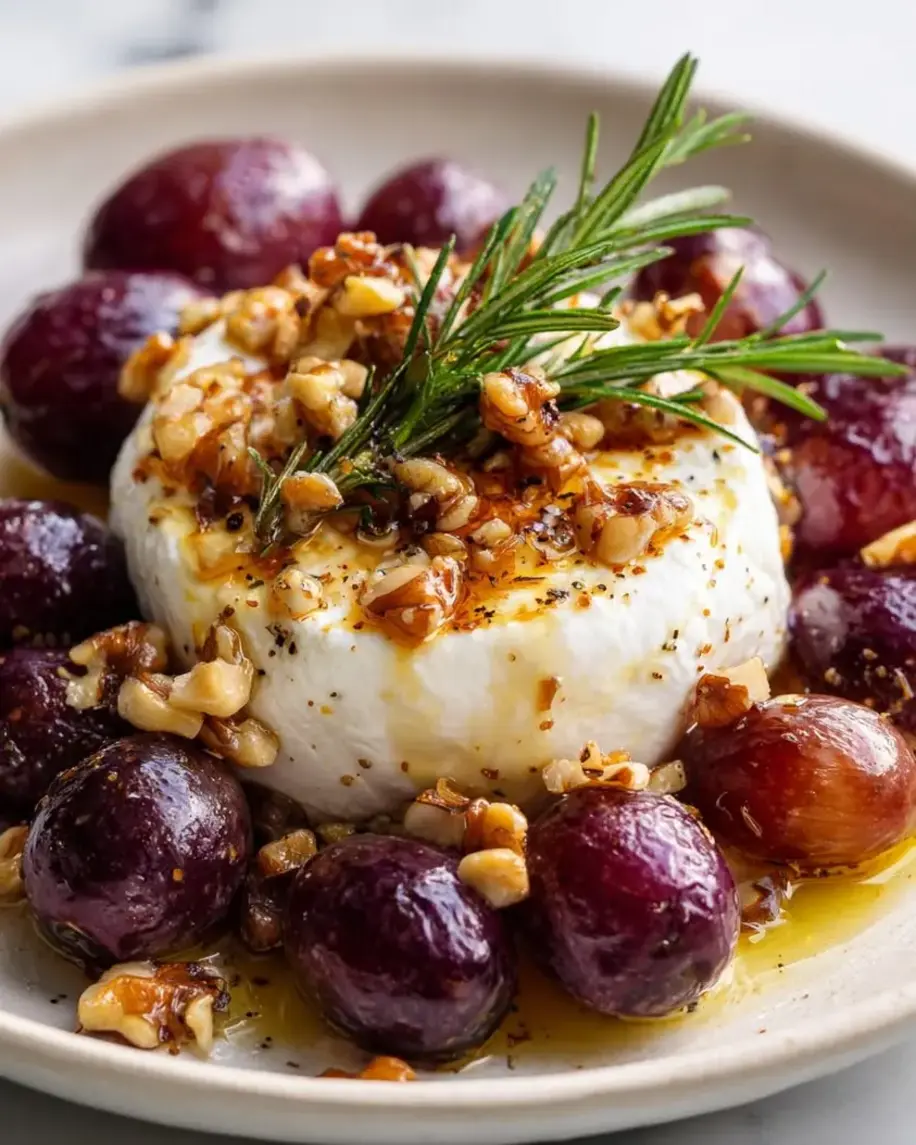
Are you searching for an appetizer that whispers of rustic vineyards yet sings with sophisticated flavors? Recent culinary trends show a growing interest in simple, ingredient-focused dishes that offer a delightful contrast of textures and tastes. If the thought of creamy, decadent burrata paired with the natural sweetness of roasted grapes and the aromatic embrace of rosemary excites your palate, then you’re in for a treat! This “Vineyard Burrata Elegance with Roasted Grapes and Rosemary” recipe is designed to be both visually stunning and incredibly easy to create, making it a go-to for any occasion.
Ingredients: A Symphony of Sweet & Savory
The magic of this dish lies in its simplicity and the quality of its ingredients. Each component plays a vital role in creating a harmonious balance of flavors and textures. We’re aiming for that perfect bite that’s creamy, slightly sweet, herbaceous, and finishes with a touch of salt and sharp balsamic.
Burrata
- 1 large ball (8-12 oz) fresh burrata cheese. Look for a plump, unblemished ball. Its creamy, luscious interior is the star.
- Substitution: If burrata is unavailable, high-quality fresh mozzarella (buffalo mozzarella is ideal) can be used, though it will lack the signature creamy core.
Grapes
- 1.5 cups seedless red or black grapes, washed and dried. Choose firm, plump grapes for the best roasting results. Their skins will soften and caramelize beautifully.
- Substitution: While grapes are key, you could experiment with halved figs or small plums if in season, though the flavor profile will shift significantly.
Fresh Rosemary
- 2-3 sprigs fresh rosemary. The woody aroma and slightly piney notes are essential for that rustic charm.
- Substitution: Thyme can offer a similar herbaceous note if rosemary isn’t your preference, but use slightly more as its flavor is less potent.
Extra Virgin Olive Oil
- 2 tablespoons extra virgin olive oil, plus more for drizzling. A good quality EVOO will lend its fruity, peppery notes.
Balsamic Glaze
- 2 tablespoons balsamic glaze. This sweet, tangy syrup is crucial for binding the flavors.
- Substitution: You can make your own by simmering balsamic vinegar until reduced and syrupy.
Flaky Sea Salt
- Flaky sea salt, to taste. The texture is as important as the taste here, providing little bursts of salinity.
Freshly Cracked Black Pepper
- Freshly cracked black pepper, to taste. Adds a subtle warmth and bite.
Optional Additions
- Crusty bread or crackers, for serving.
- A sprinkle of toasted pine nuts or slivered almonds for crunch.
- A pinch of red pepper flakes for a hint of heat.
Timing is Everything
One of the best things about this elegant starter is how quickly it comes together. Most of the time is hands-off roasting time, allowing you to prepare other elements or simply relax.
10 minutes
20-25 minutes
30-35 minutes
Compared to other appetizer recipes that might involve multiple cooking steps or complex preparations, this vineyard burrata dish is remarkably efficient. The average appetizer can take anywhere from 30 minutes to over an hour, so this recipe offers a significant time-saving advantage without compromising on taste or presentation.
Step-by-Step Creation
Follow these steps to create a dish that is as delightful to make as it is to eat. The process is intuitive and rewarding.
Preheat and Prep Your Grapes
Start by preheating your oven to 400°F (200°C). This ensures a nice, hot environment for roasting. While the oven heats up, give your grapes a good rinse and pat them thoroughly dry with a clean kitchen towel or paper towels. Drying is key to getting a lovely caramelization rather than a steamy, watery roast. Pluck the leaves from 2 sprigs of rosemary, discarding the woody stems. Give the grapes a gentle toss in a bowl with the 2 tablespoons of extra virgin olive oil, the rosemary leaves, a pinch of flaky sea salt, and a good grind of black pepper. Make sure they’re evenly coated.
Roast the Grapes
Spread the seasoned grapes in a single layer on a baking sheet lined with parchment paper for easy cleanup. You want them to have plenty of space so they roast instead of steam. Place the baking sheet in the preheated oven and roast for 20-25 minutes. Keep an eye on them; you’re looking for the grapes to soften, plump up, and begin to blister and caramelize slightly. The aroma that fills your kitchen at this stage is simply divine – a preview of the deliciousness to come!
Prepare the Burrata
As the grapes are finishing their roast, gently remove the burrata ball from its brine and pat it dry. Place the burrata ball in the center of your serving platter or individual small plates. If the burrata is very cold, let it sit at room temperature for about 10-15 minutes while the grapes roast; serving it slightly cooler than fridge-cold but not ice-cold enhances its creamy texture.
Assemble Your Masterpiece
Once the grapes are perfectly roasted, carefully remove them from the oven. Using a slotted spoon, let any excess liquid drain back onto the baking sheet for a moment before gently spooning the warm, roasted grapes around and over the burrata. Don’t be afraid to let some of the beautiful grape juices mingle with the cheese.
The Finishing Touches
Now comes the artistry! Drizzle the balsamic glaze generously over the burrata and grapes. The dark, glossy glaze adds a beautiful visual contrast and a crucial layer of sweet-tart flavor. Finish with a final, generous sprinkle of flaky sea salt and another crack of fresh black pepper. If you’re using optional additions like toasted nuts or red pepper flakes, add them now. A final light drizzle of good quality extra virgin olive oil can also add a beautiful sheen and extra flavor.
Nutritional Breakdown
While this dish is a delightful indulgence, understanding its nutritional profile can be helpful. Please note these are approximate values and can vary based on specific ingredient choices and portion sizes.
- Calories: 300-450 kcal (depending on burrata size and amount of oil/glaze)
- Protein: 15-20g
- Fat: 25-40g (primarily from cheese and olive oil)
- Carbohydrates: 10-20g (mainly from grapes and balsamic glaze)
- Fiber: 2-4g
Healthier Alternatives
Looking to lighten up this decadent dish without sacrificing flavor? Here are a few swaps:
- Lighter Cheese: Opt for fresh mozzarella balls (like ciliegine or bocconcini) instead of burrata. They offer a similar texture but with less richness.
- Reduced Glaze: Use a lighter drizzle of balsamic glaze or even just a good quality balsamic vinegar, allowing the grapes to provide most of the sweetness.
- Portion Control for Oil: Be mindful of the amount of olive oil used. A light spray or a careful drizzle is often sufficient.
- Skip the Bread: Serve as is, or with a side of crisp raw vegetables like endive spears or cucumber slices instead of bread for dipping.
Serving Suggestions
This Vineyard Burrata Elegance is incredibly versatile:
- Appetizer: Serve as a sophisticated starter for a dinner party. Provide crusty bread, crostini, or crackers for guests to scoop up the creamy cheese and sweet grapes.
- Light Lunch: Pair with a simple side salad dressed with a light vinaigrette for a delightful and satisfying lunch.
- Brunch Addition: It can be a unique and elegant addition to a brunch spread.
- Cheese Board Element: Feature it as a star component on a charcuterie or cheese board.
Common Mistakes to Avoid
To ensure your burrata dish is a resounding success, keep these tips in mind:
- Watery Grapes: Don’t wash the grapes right before roasting without drying them thoroughly. Excess moisture will lead to steaming, not caramelizing.
- Overcrowding the Pan: Give your grapes space on the baking sheet. Overcrowding will prevent them from roasting properly and achieving that desirable sweetness.
- Cold Burrata: Serving the burrata straight from the refrigerator can make it too firm and less creamy. Allow it to temper slightly.
- Under-seasoning: While natural sweetness is key, don’t forget the salt and pepper. They enhance all the other flavors.
Storing Your Creation
This dish is best enjoyed immediately after preparation when the burrata is at its creamiest and the grapes are warm. Leftovers are tricky:
- Burrata: Once cut, burrata cannot be effectively stored. It’s best to prepare only what you plan to serve.
- Roasted Grapes: If you have leftover roasted grapes, they can be stored in an airtight container in the refrigerator for 1-2 days. They are delicious in yogurt, on toast, or added to salads. Reheat gently before serving with the burrata, if desired, but the texture may change.
Frequently Asked Questions
***What is the difference between burrata and mozzarella?***
Burrata is essentially a pouch of fresh mozzarella filled with stracciatella (shredded mozzarella) and cream. When cut, the creamy interior oozes out. Fresh mozzarella is typically firmer and has a more solid interior.
***Can I roast the grapes ahead of time?***
Yes, you can roast the grapes up to a day in advance and store them in the refrigerator. Gently warm them in a low oven or microwave before assembling the dish. This speeds up prep time significantly.
***What kind of grapes are best for roasting?***
Seedless red or black grapes are ideal. Their skins tend to soften and caramelize well, and they offer a beautiful visual contrast.
***Can I make this dish vegan?***
This particular recipe relies heavily on dairy for the burrata. While you could create a dish with roasted grapes and rosemary, it wouldn’t be a direct vegan substitute for burrata. There are vegan mozzarella alternatives, but their texture and taste will differ significantly.
***How do I know when the grapes are perfectly roasted?***
The grapes should be plump, softened, and slightly blistered. Some may burst open, releasing their sweet juices. They should look caramelized and slightly sticky, not dried out or burnt.
Did you try this Vineyard Burrata Elegance? We’d love to hear about your experience! Share your thoughts and photos in the comments below or tag us on social media. Your feedback helps us create even more delicious recipes for you!
Vineyard Burrata Elegance with Roasted Grapes and Rosemary
Sweet roasted grapes and earthy rosemary over cloud-like burrata. A rustic yet refined plate perfect for appetizers or light meals.
Ingredients
- 1lb red seedless grapes
- 2sprigs fresh rosemary
- 8 ozburrata cheese
- 2 tbspolive oil
- 1 tbspbalsamic glaze
- 1/2 tspsea salt
- 1/4 tspblack pepper
- 1/2 cuptoasted baguette slices
Instructions
- Preheat oven to 400°F (200°C). Toss grapes with olive oil, salt, pepper, and rosemary leaves on a baking sheet.
- Roast grapes for 20-25 minutes until slightly caramelized and softened.
- Arrange burrata on a serving platter and gently tear open to expose the creamy center.
- Spoon warm roasted grapes and rosemary over the burrata. Drizzle with balsamic glaze.
- Serve immediately with toasted baguette slices on the side.
Notes
You can customize the seasonings to taste.
“`