
“`html
Table of Contents
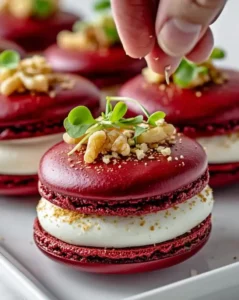
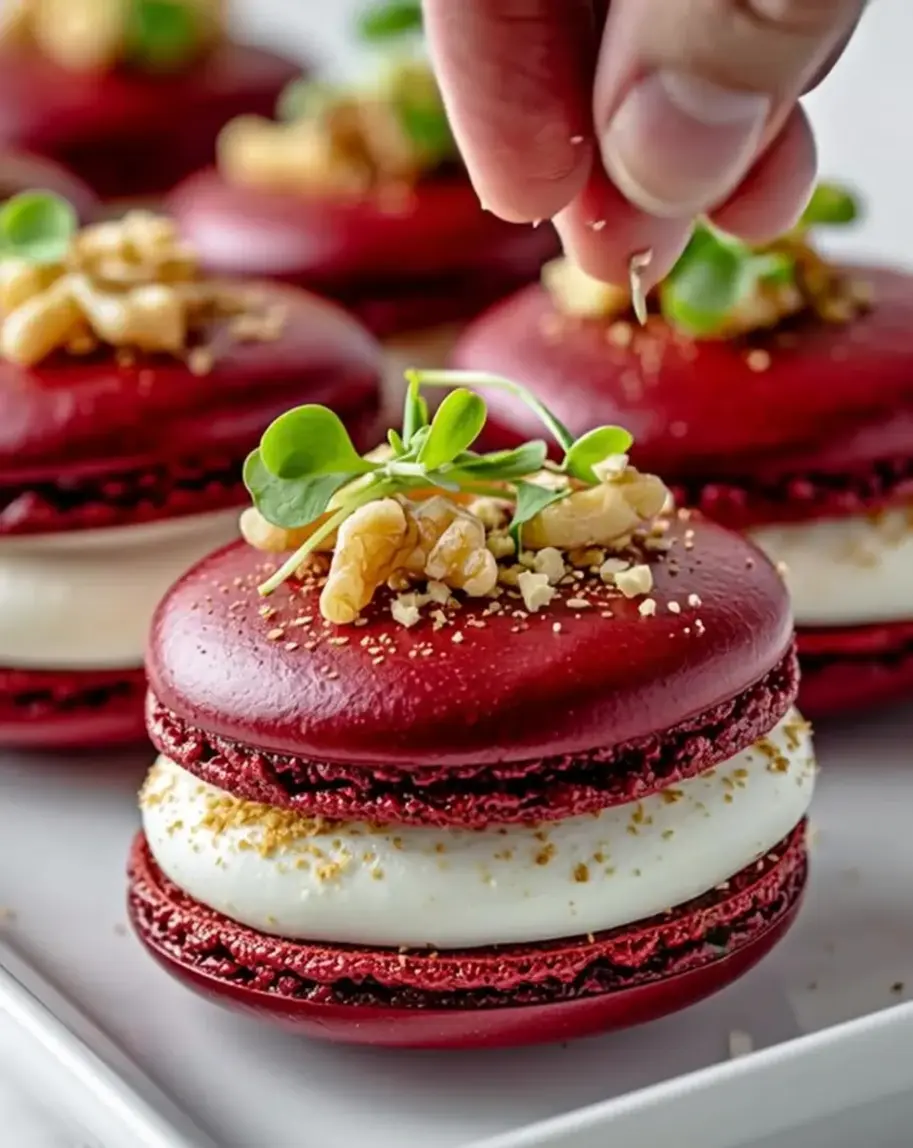
Savory Beet Macarons with Goat Cheese and Walnut Crunch
Introduction: A Delectable Beet Creation
Are you looking to elevate your pastry game beyond the usual sweet offerings? The world of macarons, often celebrated for its delicate sweetness and vibrant colors, can be surprisingly versatile. What if we told you that you could create a macaron that is not only visually stunning but also offers a complex, savory profile? Enter the Savory Beet Macarons with Goat Cheese and Walnut Crunch – a sophisticated twist that proves macarons are not just for dessert. This recipe dives into infusing earthy beet flavors into the delicate shells, paired with the tangy creaminess of whipped goat cheese and a delightful crunch from toasted walnuts. Prepare to impress your guests and redefine your understanding of what a macaron can be.
The Heart of the Flavor: Ingredients
The success of any gourmet creation lies in the quality and thoughtful selection of its ingredients. For these savory beet macarons, we’re aiming for a balance of earthy, tangy, and nutty notes. Each component plays a crucial role in creating a harmonious and unforgettable bite.
For the Beet Macaron Shells:
- 100g Almond Flour (finely ground is key for a smooth texture)
- 100g Powdered Sugar (for sweetness and structure)
- 75g Egg Whites (aged, room temperature, for stability)
- 25g Granulated Sugar (for the meringue)
- 20g Cooked Beet Purée (vibrant color and subtle earthy sweetness. Ensure it’s very dry, ~2-3 tablespoons. You can roast or boil a small beet until tender, then blend until smooth and potentially dry it further in a low oven or on the stovetop). Substitution: A tiny pinch of beet powder can also work, but the purée offers a better texture and moisture balance.
- 1/4 tsp Salt (enhances the savory notes)
- Pinch of Cream of Tartar (optional, aids meringue stability)
For the Goat Cheese Filling:
- 150g Cream Cheese (softened, for creaminess and stability)
- 100g Goat Cheese (softened, at room temperature for easy whipping; provides that delicious tang)
- 1-2 tbsp Honey or Agave Nectar (to slightly balance the tang, adjust to your palate)
- 1/2 tsp Fresh Thyme or Rosemary (finely chopped, for an aromatic herbal note) Substitution: 1/4 tsp dried herbs can be used if fresh are unavailable.
- Pinch of Black Pepper (freshly ground, a subtle kick)
For the Walnut Crunch:
- 50g Walnuts (toasted and finely chopped; adds texture and nutty depth)
- 1 tbsp Olive Oil (optional, for a richer flavor on the walnuts)
- Pinch of Salt
Timing is Everything
Macarons notoriously require patience, and these savory variations are no different. Allow about 45 minutes for preparation, including making the beet purée (if not done ahead), meringue, and macaronage. Baking takes a quick 15-18 minutes. However, the crucial resting period for the macaron shells can add at least 30 minutes, and ideally, longer for the flavors to meld after assembly. This is slightly longer than typical sweet macaron recipes due to the extra step of preparing and drying the beet purée, but the total active time remains comparable.
Crafting Your Savory Masterpiece
Creating macarons can feel like a delicate dance, but by following these steps precisely, you’ll be rewarded with visually stunning and incredibly delicious savory treats. Let’s get started!
Step 1: Prepare the Beet Purée
Wash and trim a small beet. You can roast it in foil at 400°F (200°C) for about 45-60 minutes, or boil it until tender. Once cooked, peel and blend it until perfectly smooth. For the best macaron results, the purée needs to be as dry as possible. Spread it on a baking sheet lined with parchment paper and dry it further in a very low oven (around 200°F/95°C) or gently on the stovetop over low heat, stirring frequently, until it has a thick, paste-like consistency. Measure out 20g. Let it cool completely.
Step 2: Make the Italian Meringue
In a small saucepan, combine the granulated sugar with 25ml of water. Heat over medium heat until the sugar dissolves. Clip a candy thermometer to the side of the pan and continue to cook, without stirring, until the syrup reaches 244°F (118°C). While the syrup is heating, start whipping the egg whites on medium speed in a clean, grease-free bowl with the cream of tartar (if using) until foamy. Once the syrup reaches 244°F, slowly and carefully pour the hot syrup in a thin, steady stream down the side of the mixing bowl into the whipping egg whites. Avoid hitting the whisk. Gradually increase the speed to high and whip until the meringue is stiff, glossy, and the bowl is cool to the touch. This process creates a stable meringue.
Step 3: Macaronage with Beet
Sift the almond flour and powdered sugar together into a clean bowl. If you haven’t already, you may want to pulse them briefly in a food processor to ensure they are incredibly fine. Discard any large almond pieces. Add the cooled beet purée and the salt to the sifted dry ingredients, and mix to form a thick paste. Now, gently fold about a third of the Italian meringue into the beet paste to lighten it. Then, carefully fold in the remaining meringue. The key here is the “macaronage” – folding until the batter reaches a lava-like consistency. It should flow slowly and steadily from your spatula, and when you draw a figure-eight, the batter should flow back into itself within about 10-15 seconds. Be careful not to overmix, or your shells will spread too much.
Step 4: Pipe and Rest the Shells
Transfer the macaron batter to a piping bag fitted with a round tip (about 1/2 inch). Line two baking sheets with parchment paper or silicone baking mats. Pipe small, uniform circles onto the prepared baking sheets, holding the bag perpendicular to the surface. Leave about an inch between each piped circle. Once piped, firmly tap the baking sheets on the counter several times to release any air bubbles. This is crucial for smooth shells. Let the piped shells rest at room temperature for at least 30-60 minutes, or until a skin forms. They should feel dry to the touch and not stick to your finger.
Step 5: Bake to Perfection
Preheat your oven to 300°F (150°C). Bake one sheet at a time on the middle rack for 15-18 minutes. The macarons are ready when they have developed “feet” (the ruffled base) and the tops are firm and do not wobble when gently touched. They should also lift easily off the parchment paper – if they stick, they need a few more minutes.
Step 6: Whip the Goat Cheese Filling
While the shells are baking and cooling, prepare the filling. In a medium bowl, beat the softened cream cheese and goat cheese with an electric mixer until smooth and creamy. Add the honey or agave nectar, chopped herbs, and black pepper. Beat again until well combined and light and fluffy. Taste and adjust sweetness or seasoning as needed. Transfer to a piping bag, or cover and refrigerate until ready to assemble. If it becomes too firm, let it soften slightly at room temperature before piping.
Step 7: Prepare the Walnut Crunch
If your walnuts aren’t already toasted, spread them on a small baking sheet and toast in a 350°F (175°C) oven for 5-8 minutes, until fragrant. Let them cool completely. Finely chop the toasted walnuts. If using, toss the chopped walnuts with a tablespoon of olive oil and a pinch of salt. This step adds an extra layer of flavor and texture.
Step 8: Assemble Your Macarons
Once the macaron shells are completely cooled, pair them up by size. Pipe a generous amount of the goat cheese filling onto the flat side of one shell, then gently press another shell on top to create a sandwich. Roll the sides of the filled macarons in the chopped walnut crunch, pressing gently so they adhere. For best results, let the assembled macarons mature in the refrigerator for at least 24 hours before serving. This allows the fillings to soften the shells slightly and the flavors to meld beautifully.
Nutritional Highlights
While macarons are a treat, understanding their nutritional profile can guide your enjoyment. These savory beet macarons, due to the goat cheese, offer a unique blend of macronutrients:
- Calories: Approximately 100-120 per macaron (varies based on exact ingredient amounts and filling).
- Protein: Moderate, from egg whites and goat cheese.
- Fat: Primarily from almond flour, goat cheese, and cream cheese.
- Carbohydrates: From almond flour, powdered sugar, and a small amount from beets.
- Vitamins & Minerals: Beets offer folate and potassium, while walnuts provide Omega-3 fatty acids. Goat cheese contains calcium and probiotics.
Healthier Alternatives to Elevate Your Bake
For those seeking to make this recipe even more health-conscious without sacrificing flavor, consider these swaps:
- Reduced Sugar: For the shells, you can experiment with natural sugar substitutes like erythritol or stevia blends, though this might affect texture and baking performance. For the filling, rely more on the natural tang and use a smaller amount of honey or opt for a sugar-free agave alternative.
- Lighter Filling: Substitute half of the cream cheese with Greek yogurt (full-fat for best texture) for a protein boost and fewer calories. Ensure the Greek yogurt is strained to be thick.
- Nutrient-Dense Nuts: While walnuts are excellent, consider incorporating other nuts like pecans or even pumpkin seeds for a different nutritional profile and flavor.
- Vegetable Boost: Add a tiny pinch of finely grated celery root or parsnip to the beet purée for added subtle earthy sweetness and nutrients.
Serving Suggestions
These savory beet macarons are wonderfully versatile. Serve them as:
- Elegant appetizers at a cocktail party.
- A unique addition to a cheese board or charcuterie platter.
- A surprising brunch item.
- A light accompaniment to salads, especially those with peppery greens or a balsamic vinaigrette.
- Paired with a crisp white wine or a dry rosé.
Common Mistakes to Avoid
Macarons are notoriously tricky. Here are common pitfalls and how to avoid them:
- Over/Under-mixing (Macaronage): Too much mixing leads to flat, spread-out shells. Too little results in lumpy, cracked shells. Aim for the “lava flow” consistency described in the recipe.
- Humidity: Macaronage is highly sensitive to humidity. Avoid making them on very humid days, as the shells may not dry properly and can crack.
- Oven Temperature: An inaccurate oven temperature can lead to hollows, burnt bottoms, or cracked shells. Use an oven thermometer to ensure accuracy.
- Wet Ingredients: Ensure your beet purée is very dry and your egg whites are free of any yolk. Moisture is the enemy of macarons.
- Not Resting Enough: The resting period allows a skin to form, which is essential for developing “feet” and preventing cracking.
Storing Your Savory Delights
For the best taste and texture, store assembled macarons in an airtight container in the refrigerator. They are best enjoyed within 3 to 5 days. Allow them to come to room temperature for about 15-20 minutes before serving to soften the filling and bring out the flavors.
Frequently Asked Questions
What makes macaron shells crack?
Cracking usually occurs due to too much air trapped in the batter (tap the trays well!), not resting the shells long enough for a skin to form, or oven temperature being too high.
Can I make the beet purée ahead of time?
Absolutely! In fact, it’s highly recommended. Ensure it’s thoroughly dried and stored in an airtight container in the refrigerator for up to 3 days. You might need to re-dry it slightly before use if it absorbs moisture from the air.
Why are my macaron shells hollow?
Hollow shells can be caused by oven temperature being too low, under-whipping the meringue, or issues with the macaronage. Ensure your oven is accurately calibrated and follow the meringue and macaronage steps precisely.
Can I use a different cheese for the filling?
While goat cheese provides a unique tang, you can experiment with other creamy, tangy cheeses like cream cheese blended with a little feta, or a whipped ricotta with herbs. However, the texture and flavor profile will change.
How important is “aging” egg whites?
Aging egg whites (leaving them in a covered container in the fridge for 24-48 hours) helps them lose some moisture and protein structure, making them whip up more stable. If you’re short on time, using room temperature egg whites is the next best thing.
Have you tried making savory macarons before? Share your experiences or any variations you’ve attempted in the comments below! We’d love to hear from you.
Savory Beet Macarons with Goat Cheese and Walnut Crunch

A sophisticated twist on the classic macaron, featuring earthy beet-infused shells filled with creamy whipped goat cheese and a crunchy walnut topping.
Ingredients
- 1 cupalmond flour
- 1 1/2 cupspowdered sugar
- 3large egg whites
- 1/4 cupgranulated sugar
- 1 tbspbeet powder (or2 tbspbeet juice)
- 4 ozgoat cheese, softened
- 1/4 cupheavy cream
- 1/2 cupwalnuts, finely chopped and toasted
- 1 tsphoney
- Salt and pepper to taste
Instructions
- Preheat oven to 300°F. Line baking sheets with parchment paper.
- Sift almond flour and powdered sugar together. In a separate bowl, beat egg whites until foamy, gradually add granulated sugar, and beat to stiff peaks. Fold in dry ingredients and beet powder until just combined.
- Pipe 1-inch circles onto prepared sheets. Tap sheets firmly to release air bubbles. Let rest 30 minutes, then bake 15-18 minutes until set. Cool completely.
- Whip goat cheese, heavy cream, honey, salt, and pepper until light and fluffy. Fold in half the toasted walnuts.
- Pipe or spoon filling onto half the macaron shells, sprinkle with remaining walnuts, and top with remaining shells. Chill 1 hour before serving.
Notes
You can customize the seasonings to taste.
“`