“`html
Table of Contents
Savor Savory Delight: Not-So-Sweet Cheesecake with Balsamic Tomato Glaze
Introduction
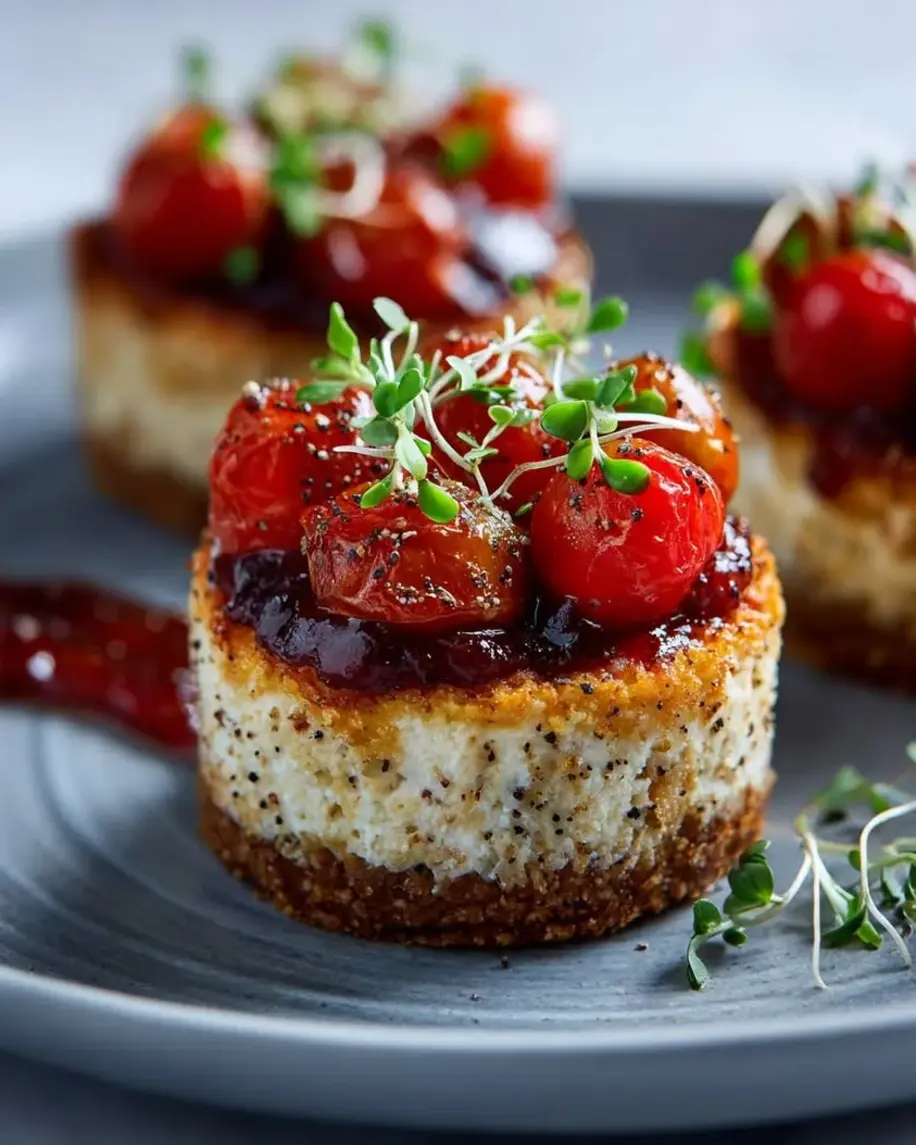
Are you tired of predictable desserts and looking for a culinary adventure that tantalizes your taste buds in a whole new way? Statistics show that while sweet cheesecakes are a perennial favorite, a growing number of adventurous foodies are seeking savory twists on classic dishes. If you’re one of them, get ready to be amazed by our Not-So-Sweet Cheesecake with Balsamic Tomato Glaze. This isn’t your average dessert; it’s a sophisticated appetizer or a light main course that perfectly balances creamy richness with a zesty, tangy, and slightly sweet-savory punch. Imagine a velvety smooth cheesecake base, infused with subtle herbaceous notes, crowned with a vibrant, sticky glaze made from ripe tomatoes and aged balsamic vinegar. It’s a dish that surprises, delights, and leaves a lasting impression – a true testament to the fact that cheesecake doesn’t always have to be about sugar! This recipe is designed to intrigue and satisfy, proving that savory can be just as (if not more) delicious.
Ingredients
Crafting this unique savory cheesecake requires a thoughtful blend of ingredients that harmonize to create a complex flavor profile. We’ve selected each component to ensure a delightful culinary experience.
For the Savory Crust:
- 1 ½ cups (about 150g) finely ground savory crackers or pretzels (like Ritz crackers with a pinch of garlic powder, or plain pretzels for a milder saltiness). These provide a slightly salty, crumbly foundation.
- ¼ cup (56g) unsalted butter, melted. This binds the crumbs together, creating a sturdy yet tender base.
- 1 teaspoon dried herbs (such as thyme, rosemary, or a blend). Infuses subtle aromatic notes into the crust.
For the Cheesecake Filling:
- 24 ounces (680g) full-fat cream cheese, at room temperature. The star of the show, providing unparalleled creaminess and a slightly tangy backbone. Ensure it’s at room temperature for a smooth, lump-free filling.
- 3 large eggs, at room temperature. These structure the cheesecake and add richness.
- ½ cup (120ml) sour cream or plain Greek yogurt, at room temperature. Adds a delectable tang and extra moisture, contributing to a tender crumb.
- 1 tablespoon all-purpose flour. This acts as a stabilizer, preventing cracks.
- 1 teaspoon Dijon mustard. A subtle, sharp kick that complements the savory profile.
- ½ teaspoon garlic powder. For that essential savory depth.
- ¼ teaspoon freshly ground black pepper. Adds a gentle warmth.
- Pinch of cayenne pepper (optional). For a whisper of heat.
For the Balsamic Tomato Glaze:
- 1 tablespoon olive oil. The base for sautéing the aromatics.
- 1 small shallot, finely minced. Offers a milder, sweeter onion flavor than regular onions.
- 2 cloves garlic, minced. Essential for aromatic depth.
- 1 ½ cups (about 250g) cherry tomatoes, halved. Bursting with juicy sweetness and acidity, they form the heart of the glaze.
- ¼ cup (60ml) good quality balsamic vinegar. Adds a complex sweet-tartness and syrupy texture.
- 1 tablespoon brown sugar or maple syrup (adjust to taste). To balance the acidity and enhance caramelization.
- ½ teaspoon fresh thyme leaves or ¼ teaspoon dried thyme. Bridges the flavors between the glaze and the cheesecake.
- Salt and freshly ground black pepper, to taste. To enhance all the flavors.
Substitutions:
- Crackers: Pumpernickel breadcrumbs, finely chopped salted pretzels or even a cornmeal crust can be used.
- Sour Cream: Full-fat plain yogurt or crème fraîche are excellent alternatives.
- Shallots: A small amount of finely minced red onion can be used.
- Cherry Tomatoes: Diced ripe plum tomatoes can work, but may require longer simmering to thicken.
Timing
30 minutes
60-75 minutes
4 hours
Approx. 5 hours 30 minutes (plus chilling)
Compared to a traditional sweet cheesecake, this savory version has a similar bake time. However, the preparation of the glaze adds an extra cooking step, and the chilling time remains crucial for the best texture. Many sweet cheesecakes require around 60-90 minutes of baking and a similar chilling period, making our savory counterpart quite comparable in terms of time commitment, especially when considering the delightful payoff.
Step-by-Step Instructions
Step 1: Prepare the Crust
First things first, let’s get that foundation perfectly prepared. Preheat your oven to 350°F (175°C). In a medium bowl, combine the finely ground crackers or pretzels with the melted butter and dried herbs. Mix until the crumbs are evenly moistened. Press this mixture firmly and evenly into the bottom of a 9-inch springform pan. You can use the bottom of a glass or cup to help create a compact and smooth layer. Bake the crust for 8-10 minutes, just until it’s lightly golden and fragrant. This little pre-bake helps set the crust and prevents it from becoming soggy later. Once done, remove it from the oven and let it cool while you prepare the filling.
Step 2: Make the Cheesecake Filling
Now for the creamy heart of our creation! In a large bowl, using an electric mixer (handheld or stand mixer with paddle attachment), beat the room-temperature cream cheese on medium speed until completely smooth and free of lumps. This is a critical step for a silky-smooth cheesecake; don’t rush it! Gradually add the flour and beat until just combined. Then, add the eggs one at a time, mixing on low speed until each is just incorporated. Overmixing after adding eggs can lead to a cracked cheesecake, so be gentle. Stir in the sour cream (or Greek yogurt), Dijon mustard, garlic powder, black pepper, and optional cayenne pepper. Mix on low speed until everything is just combined and the batter is uniform. Scrape down the sides and bottom of the bowl to ensure no pockets of unmixed ingredients remain.
Step 3: Bake the Cheesecake
It’s time to bake this beauty! Pour the smooth cheesecake filling over the cooled crust in the springform pan. Gently tap the pan on the counter a couple of times to release any large air bubbles. To prevent cracks and ensure even baking, consider using a water bath. Wrap the outside of the springform pan tightly with heavy-duty aluminum foil (two layers usually do the trick). Place the wrapped pan into a larger roasting pan. Carefully pour hot water into the roasting pan, about halfway up the sides of the springform pan. Bake in the preheated oven for 60-75 minutes, or until the edges of the cheesecake are set but the center still has a slight wobble when the pan is gently shaken. Once baked, turn off the oven, crack the oven door open slightly, and let the cheesecake cool inside the oven for about an hour. This gradual cooling process also helps prevent cracking. After an hour, carefully remove the cheesecake from the water bath, remove the foil, and let it cool completely on a wire rack.
Step 4: Prepare the Balsamic Tomato Glaze
While the cheesecake is cooling, let’s whip up that irresistible glaze. Heat the olive oil in a medium saucepan over medium heat. Add the minced shallot and sauté until softened and translucent, about 3-4 minutes. Stir in the minced garlic and cook for another minute until fragrant, being careful not to burn it. Add the halved cherry tomatoes to the saucepan. Cook, stirring occasionally, until the tomatoes begin to soften and burst, releasing their juices, about 5-7 minutes. Pour in the balsamic vinegar and add the brown sugar (or maple syrup) and thyme. Bring the mixture to a simmer, then reduce the heat to low and let it cook gently for about 10-15 minutes, stirring occasionally, until the sauce has thickened to a syrupy consistency and the tomatoes have broken down. Season with salt and pepper to taste. For a smoother glaze, you can carefully blend it with an immersion blender or transfer it to a regular blender (let it cool slightly before blending). Let the glaze cool down a bit before using.
Step 5: Assemble and Chill
The final touches! Once the cheesecake has cooled completely to room temperature, cover it loosely with plastic wrap and refrigerate for at least 4 hours, or preferably overnight. This chilling time is crucial for the cheesecake to fully set and develop its perfect texture. When you’re ready to serve, carefully remove the sides of the springform pan. Spoon the cooled Balsamic Tomato Glaze generously over the top of the chilled cheesecake. You can also serve the glaze on the side for those who prefer to control the amount.
Nutritional Information
While exact nutritional values can vary based on specific ingredients used, a serving of this savory cheesecake is generally estimated to be:
- Calories: Approximately 300-350 kcal per serving (this is a rough estimate and does not include the glaze).
- Protein: High due to cream cheese and eggs.
- Fat: Primarily from cream cheese and butter, providing a rich mouthfeel.
- Carbohydrates: Relatively low, especially if using a cracker/pretzel crust.
Note: The balsamic tomato glaze will add additional calories, sugars, and carbohydrates. For precise information, calculate based on your specific ingredients.
Healthier Alternatives
Looking to lighten up this savory delight? You can make some smart swaps without sacrificing flavor:
- Crust: Opt for a crust made from finely ground whole-wheat crackers, or even a base of toasted nuts and seeds bound with a little olive oil.
- Cream Cheese: Use a combination of reduced-fat cream cheese and a larger portion of plain Greek yogurt. This significantly cuts down on fat while boosting protein.
- Glaze: Reduce the amount of added sugar in the glaze, or omit it entirely, relying on the natural sweetness of the tomatoes and the balsamic vinegar. Thicken the glaze by simmering longer rather than adding more sweetener.
- Eggs: While eggs are essential for structure, you can experiment with using fewer whole eggs and incorporating some egg whites, though this might slightly alter the texture.
Serving Suggestions
This savory cheesecake is incredibly versatile. Serve it chilled as an elegant appetizer at your next gathering, accompanied by crusty bread, artisanal crackers, or fresh baguette slices. It also makes a fantastic light lunch or brunch item, perhaps paired with a crisp green salad tossed with a light vinaigrette. For an even more substantial meal, serve it alongside grilled chicken or fish. Garnish with fresh basil leaves or a swirl of extra balsamic glaze for a beautiful presentation.
Common Mistakes to Avoid
- Using cold cream cheese: This is the number one cause of lumpy cheesecake batter. Always ensure your cream cheese is fully softened.
- Overmixing the batter: Especially after adding eggs, overmixing incorporates too much air, which can lead to cracking during baking.
- Not chilling long enough: Patience is key! A properly chilled cheesecake will have the best texture and flavor.
- Rushing the cooling process: Sudden temperature changes can cause cracks. Gradual cooling in the oven is vital.
- Not waterproofing the springform pan: If using a water bath, ensure your pan is securely wrapped to prevent water from leaking into the cheesecake.
Storing Tips
Leftover savory cheesecake can be stored in an airtight container in the refrigerator for up to 3-4 days. The flavors often meld and deepen overnight, making it even more delicious the next day. If you’ve already topped it with the glaze, ensure it’s covered well to prevent drying out. You can also freeze slices of cheesecake (without the glaze) wrapped tightly in plastic wrap and then in foil for up to 1-2 months. Thaw overnight in the refrigerator before serving.
Frequently Asked Questions
***Can I make this ahead of time?***
Yes, absolutely! This savory cheesecake is best made a day in advance to allow it to chill and set properly. The flavors also tend to deepen overnight.
***What kind of crackers are best for the crust?***
Savory crackers like Ritz, water crackers, or even finely ground pretzels work wonderfully. Adding a pinch of garlic powder or dried herbs to plain crackers will enhance the savory notes.
***Why is my cheesecake cracking?***
Cracking is often due to overmixing, rapid temperature changes (like taking it straight from a hot oven to a cold counter), or overbaking. Using a water bath and gradual cooling can significantly help prevent cracks.
***Can I make this without the glaze?***
You certainly can! The cheesecake is delicious on its own. However, the balsamic tomato glaze adds a wonderful tangy and slightly sweet contrast that truly elevates the dish.
***How do I ensure a smooth filling?***
Make sure your cream cheese is at room temperature and beat it until it’s completely smooth and fluffy before adding other ingredients. Avoid overmixing after adding eggs.
Ready to ditch the sugar and embrace a new kind of cheesecake? This savory creation with its vibrant balsamic tomato glaze is sure to become a unique favorite. Give it a try and let us know what you think in the comments below!
Savor Savory Delight: Not-So-Sweet Cheesecake with Balsamic Tomato Glaze
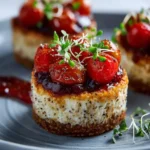
A savory cheesecake with a unique balsamic tomato glaze that adds a tangy twist.
Ingredients
- 1 cupcrushed graham crackers
- 3 tbspmelted butter
- 1 1/2 cupscream cheese
- 2eggs
- 1/4 cupchopped tomatoes
- 2 tbspbalsamic vinegar
- Salt and pepper to taste
Instructions
- Preheat oven to 325°F (160°C). Mix crushed graham crackers with melted butter and press into the bottom of a springform pan.
- In a bowl, beat cream cheese until smooth. Add eggs one at a time, mixing well. Pour over crust in springform pan.
- Bake for 30 minutes or until the edges are set. Meanwhile, cook tomatoes with balsamic vinegar in a saucepan until softened. Season with salt and pepper.
- Let the cheesecake cool before spreading the tomato glaze on top.
Notes
You can customize the seasonings to taste.
“`