“`html
Table of Contents
- Introduction: Elevate Your Autumn Flavors
- Ingredients: A Symphony of Textures and Tastes
- Timing: Perfecting the Art of Preparation
- Step-by-Step Instructions: Crafting Culinary Magic
- Nutritional Information: A Glance at Goodness
- Healthier Alternatives: Indulging Mindfully
- Serving Suggestions: Completing the Experience
- Common Mistakes to Avoid
- Storing Tips: Preserving the Flavor
- Frequently Asked Questions (FAQs)
Transform Your Fall Menu with Golden Butternut Rounds and Burrata
Introduction: Elevate Your Autumn Flavors
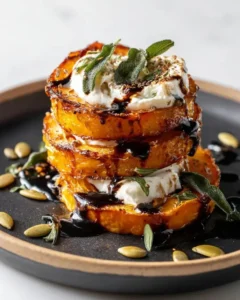
Are you looking for a way to bring the cozy, comforting flavors of autumn to your table with an elegant touch? In the world of seasonal cooking, few ingredients embody the spirit of fall quite like butternut squash. Its inherent sweetness and creamy texture make it a beloved staple. But how can we elevate this humble gourd into a dish that’s both sophisticated and utterly delicious? This recipe for Golden Butternut Rounds and Burrata, accented with crispy fried sage leaves, does just that.
Imagine this: tender, caramelized rounds of roasted butternut squash, their natural sweetness intensified by the oven’s heat. Nestled atop, a cloud of luxurious burrata cheese, its milky interior ready to ooze and mingle with the warm squash. And to crown it all, the aromatic, crisp whisper of fried sage leaves, providing a perfect counterpoint to the richness. This dish is more than just a recipe; it’s an experience – a celebration of textures and flavors that perfectly capture the essence of fall. It’s surprisingly simple to make, yet its presentation and taste are undeniably impressive, making it ideal for a weeknight treat or a special gathering.
Ingredients: A Symphony of Textures and Tastes
The magic of this dish lies in the quality and synergy of its simple components. Each ingredient plays a crucial role in creating a harmonious balance of earthy, sweet, creamy, and crisp notes.
For the Butternut Squash:
- 1 medium butternut squash (about 2-2.5 lbs): Choose one that feels heavy for its size, indicating a good amount of flesh. Its vibrant outer skin should be smooth and unblemished.
- 2-3 tablespoons olive oil: Extra virgin olive oil is preferred for its fruity notes, but a good quality regular olive oil will also work.
- Salt: To enhance the natural sweetness of the squash. Kosher salt or sea salt provides a cleaner flavor than iodized table salt.
- Freshly ground black pepper: Adds a pungent warmth. Consider using a mix of black and white peppercorns for added complexity.
- Optional: Pinch of cinnamon or nutmeg: A subtle hint of warm spice can amplify the squash’s inherent sweetness, especially fitting for fall.
For the Burrata and Garnish:
- 1 large ball (8 oz) burrata cheese: This fresh Italian cheese is key. It has a solid mozzarella exterior and a rich, creamy stracciatella and cream interior. Ensure it’s at room temperature for the best texture. If burrata is unavailable, fresh mozzarella (though less creamy) can be a substitute.
- 15-20 fresh sage leaves: Look for bright green, unblemished leaves. Their aroma will be intensely herbaceous when fried.
- 2-3 tablespoons olive oil (for frying sage): A neutral oil like canola or vegetable oil can also be used for frying; it will not impart as much flavor but will achieve crispness.
- Optional garnish: Balsamic glaze or honey: A drizzle can add a touch of acidity or sweetness to complement the dish.
- Optional garnish: Toasted pumpkin seeds (pepitas): For added crunch and a thematic touch.
Timing: Perfecting the Art of Preparation
This recipe is designed for efficiency, making it achievable even on a busy weeknight. The prep time is minimal, focusing on slicing the squash and gathering your ingredients. Roasting takes the longest, but it’s largely hands-off, allowing you to multitask or relax. Compared to many complex fall dishes, this comes together relatively quickly. Average roasting times for butternut squash of this thickness can vary, so keeping an eye on its tenderness is crucial.

Step-by-Step Instructions: Crafting Culinary Magic
Let’s dive into creating this delightful dish. Follow these steps for a stunning edible masterpiece.
Step 1: Preheat and Prep the Squash
- Preheat your oven to 400°F (200°C). Line a large baking sheet with parchment paper for easy cleanup.
- Wash the butternut squash thoroughly. Carefully slice off both ends.
- Stand the squash upright on one of the flat ends. Using a sharp chef’s knife, carefully cut the squash in half lengthwise, from top to bottom.
- Use a spoon to scoop out the seeds and fibrous strings from the center of each half. You can discard these or save them for roasting later (a classic fall treat!).
- Now, slice each half crosswise into 1/2-inch thick rounds. You should have beautiful, crescent-shaped pieces.
Step 2: Roast to Golden Perfection
- Slightly drizzle or brush each butternut squash round with olive oil on both sides. Arrange them in a single layer on the prepared baking sheet, ensuring they don’t overlap too much – this helps them roast evenly rather than steam.
- Season generously with salt and freshly ground black pepper. If using, lightly sprinkle with cinnamon or nutmeg over the oiled squash.
- Roast for 30-40 minutes, or until the squash is tender when pierced with a fork and beautifully caramelized around the edges. The exact time will depend on the thickness of your rounds and your oven. Flip them halfway through to ensure even browning.
Step 3: Prepare the Sage
- While the squash is roasting, prepare the sage. Gently wash and thoroughly pat the sage leaves dry. Moisture is the enemy of crispiness when frying!
- In a small skillet, heat 2-3 tablespoons of olive oil (or your chosen frying oil) over medium heat. You want the oil hot enough to sizzle immediately but not so hot that it smokes.
- Carefully add the dried sage leaves to the hot oil in a single layer. Be cautious, as they may splutter. Fry for about 30-60 seconds, or until they become dark green, translucent, and crisp. They fry very quickly, so watch them closely!
- Using a slotted spoon, immediately remove the fried sage leaves from the oil and place them on a paper towel-lined plate to drain excess oil and crisp further. They should become wonderfully brittle.
Step 4: Assemble Your Masterpiece
- Once the butternut squash is perfectly roasted and tender, arrange the rounds on a serving platter or individual plates.
- Gently tear the burrata ball into large pieces and place them artfully on top of or nestled amongst the warm squash rounds.
- Crumble the crispy fried sage leaves over the burrata and squash.
- If desired, finish with a drizzle of balsamic glaze or honey, and a sprinkle of toasted pumpkin seeds for an extra layer of flavor and texture. Serve immediately while warm.
Nutritional Information: A Glance at Goodness
While exact nutritional values can vary based on portion size and specific ingredients used, this dish offers a good balance of complex carbohydrates, healthy fats, and some protein. A typical serving (estimated, excluding optional garnishes like glaze/honey) might contain:
- Calories: Approximately 300-400 kcal
- Carbohydrates: ~30-40g (primarily from squash)
- Fat: ~20-30g (from olive oil and burrata)
- Protein: ~10-15g (primarily from burrata)
- Fiber: Good source from butternut squash.
Note: This is a general estimate. For precise information, it’s recommended to input your specific ingredient quantities into a nutrition calculator.
Healthier Alternatives: Indulging Mindfully
To make this dish even lighter without sacrificing its delicious character:
- Roast Instead of Fry Sage: For a healthier crunch, try roasting fresh sage leaves on a separate small baking sheet tossed with a tiny bit of olive oil for the last 5-7 minutes of the squash’s cooking time. They won’t be as intensely crisp as fried, but will still offer a lovely aroma and texture.
- Lighter Cheese: While burrata is the star, if you’re looking to reduce fat, consider using fresh mozzarella (though it lacks the creamy center) or a light ricotta as a creamy element, perhaps mixed with a little herbs.
- Reduced Oil: Use an olive oil mister or a pastry brush to lightly coat the squash and sage instead of drizzling, significantly reducing the amount of oil used.
- Serve a Smaller Portion of Cheese: If serving as an appetizer, use smaller pieces of burrata or divide one ball amongst more people.
Serving Suggestions: Completing the Experience
This versatile dish shines in many contexts:
- Elegant Appetizer: Serve warm rounds with burrata on individual small plates for a sophisticated starter.
- Light Lunch: Pair with a simple arugula salad dressed with lemon vinaigrette for a satisfying and healthy lunch.
- Side Dish: It makes a beautiful accompaniment to roasted chicken, pork tenderloin, or a hearty grain salad.
- Brunch Delight: Serve alongside eggs or other brunch favorites for a touch of autumn luxury.
Common Mistakes to Avoid
- Overcrowding the Baking Sheet: This will cause the squash to steam instead of roast, leading to a mushy texture and less caramelization. Ensure the squash rounds have space.
- Undercooking the Squash: Ensure the squash is fork-tender; tough squash is unpleasant. Roast until tender.
- Burning the Sage: Fried sage cooks incredibly fast. Watch it like a hawk and remove it as soon as it becomes crisp to avoid bitterness.
- Using Cold Burrata: Cold burrata is dense and less creamy. Allow it to come to room temperature for at least 30 minutes before serving for a luscious, flowing interior.
- Not Drying the Sage: Excess moisture will prevent the sage leaves from crisping up properly.
Storing Tips: Preserving the Flavor
This dish is best enjoyed fresh, immediately after assembly. However, if you have leftovers:
- Roasted Squash: Cooked butternut squash rounds can be stored in an airtight container in the refrigerator for up to 3-4 days. Reheat gently in a skillet or a low oven.
- Fried Sage: Fried sage leaves lose their crispness quickly once exposed to air and moisture. Store any leftover crispy sage in an airtight container at room temperature for a few hours, but it’s unlikely to remain truly crisp for long. It’s best to fry it just before serving.
- Burrata: Leftover burrata, if any, should be stored in its original liquid in the refrigerator and consumed within 1-2 days. Its creamy texture is compromised once chilled extensively.
- Assembled Dish: This dish does not store well once assembled, particularly the burrata and the crisp sage. It’s meant to be enjoyed right away.
Frequently Asked Questions (FAQs)
Can I prepare the butternut squash ahead of time?
Yes, you can roast the butternut squash a day in advance. Store the cooled roasted rounds in an airtight container in the refrigerator. Reheat them gently before assembling the dish. The burrata and sage should be prepared fresh.
What can I substitute for burrata?
If burrata is unavailable, fresh mozzarella is the closest substitute, though it won’t be as creamy. You can also use a generous dollop of fresh ricotta cheese seasoned with a little salt and pepper, or even balls of bocconcini (small fresh mozzarella balls).
How do I get the butternut squash perfectly tender?
Ensuring even thickness of your squash rounds is crucial. Roasting at the correct temperature (400°F/200°C) and not overcrowding the pan will allow them to cook through. Test for tenderness with a fork; it should pierce easily without resistance.
Can I make this dish vegan?
This dish is naturally vegetarian. To make it vegan, you would need to omit the burrata and use a vegan cheese alternative. Focus on the exquisite roasted squash and crispy sage.
When is butternut squash in season?
Butternut squash is typically a fall and winter squash. It ripens in late summer and is harvested in the fall, making it a quintessential autumn ingredient.
Conclusion: Savor the Season
Golden Butternut Rounds and Burrata is a testament to how simple, quality ingredients can create a dish that is both visually stunning and profoundly delicious. It captures the heart of autumn flavors in every bite, offering a symphony of textures from the tender squash to the creamy burrata and the crisp sage. Whether you’re serving it as an appetizer or a light main, this elegant preparation is sure to impress your guests and delight your palate. Don’t wait – bring the warmth and magic of fall to your table tonight with this exquisite recipe!
We’d love to hear about your culinary creations! If you try this Golden Butternut Rounds and Burrata recipe, tell us how it turned out in the comments below. Share your tips, variations, or photos!
Transform Your Fall Menu with Golden Butternut Rounds and Burrata
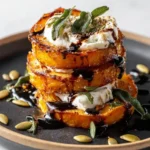
This elegant dish brings together the earthy sweetness of roasted butternut squash with the creamy richness of burrata, accented by the crispness of fried sage leaves.
Ingredients
- 1medium butternut squash, peeled and sliced into1/2inch rounds
- 2burrata cheese balls
- 12fresh sage leaves
- 3 tablespoonsolive oil
Instructions
- Preheat the oven to 400°F (200°C). Arrange the butternut squash rounds on a baking sheet, drizzle with 2 tablespoons of olive oil, and season with salt and pepper. Roast for 25 minutes or until tender and golden.
- Meanwhile, heat 1 tablespoon of olive oil in a small pan over medium heat. Fry the sage leaves until crispy, about 2 minutes, and set aside on a paper towel.
- Arrange the roasted squash rounds on a serving platter. Tear the burrata balls over the squash and sprinkle with fried sage leaves. Serve immediately.
Notes
You can customize the seasonings to taste.
“`