

“`html
Table of Contents
Keto Bagel Recipe with Greek Yogurt – Soft, Chewy & Low-Carb
Craving a Soft, Chewy Bagel on Keto?
Are you one of the millions dreaming of a delicious, guilt-free bagel to start your day on a ketogenic diet? The truth is, finding a truly satisfying keto bagel that mimics the soft, chewy texture of its traditional counterpart can feel like searching for a unicorn. Many recipes end up dry, crumbly, or too eggy, leaving you disappointed. But what if we told you there’s a simple keto bagel recipe that uses the magic of Greek yogurt to achieve that perfect texture? Yes, it’s possible, and in this guide, we’re sharing exactly how to make these incredible low-carb bagels that will revolutionize your keto breakfast game.
Soft, Chewy Keto Bagel Ingredients
The secret to these delightfully soft and chewy keto bagels lies in a thoughtful combination of keto-friendly flours and the unexpected richness of full-fat Greek yogurt. This recipe is designed to be straightforward, using ingredients that are readily available in most keto kitchens.
- Almond Flour: The base of our dough. Opt for finely ground, blanched almond flour for the smoothest texture. It provides a subtle, nutty flavor and a tender crumb without the gritty feel.
- Coconut Flour: A little goes a long way! Coconut flour is highly absorbent and essential for creating that classic chewy bagel texture. It balances the almond flour and helps prevent a gummy outcome; use it sparingly.
- Psyllium Husk Powder: This is our binder and the ultimate texture improver. Psyllium husk powder mimics the elasticity of gluten, giving our keto bagels that crucial chewiness and structure. Make sure it’s powder, not whole husks, for best results.
- Baking Powder: Our leavening agent, working with the oat fiber to ensure slightly puffy, not dense, bagels. Double-check that it’s fresh for maximum lift.
- Salt: Enhances all the flavors and is crucial for dough structure. Use sea salt or Himalayan pink salt for best flavor.
- Eggs: Large eggs act as a binder and add richness. At room temperature, they incorporate more easily into the dough.
- Full-Fat Greek Yogurt: The star ingredient! Its tanginess provides a subtle flavor complexity, while its thickness and fat content contribute to a moist, tender, and chewy crumb that’s far superior to recipes using just cream cheese. Using full-fat is key for texture and flavor.
- Melted Butter or Coconut Oil: Adds moisture, richness, and helps achieve that perfect golden-brown crust. Unsalted butter is preferred so you can control the saltiness.
- Optional Toppings: Everything bagel seasoning, sesame seeds, poppy seeds, shredded cheese (like Parmesan or cheddar), or a sprinkle of flaky sea salt before baking.
Timing Your Delicious Keto Bagels
This recipe is surprisingly quick to make, a big win for busy keto enthusiasts. Most traditional bagel recipes can take hours due to rising and boiling steps. Our keto version streamlines the process significantly.
15 Minutes
20-25 Minutes
35-40 Minutes
Compared to conventional bagels that can require 2-3 hours of rising and preparation, these keto bagels are ready to eat in under an hour, making them perfect for a quick breakfast or afternoon snack.
Step-by-Step Instructions
Step 1: Preheat and Prepare Baking Sheet
Begin by preheating your oven to 375°F (190°C). Line a large baking sheet with parchment paper. This prevents the bagels from sticking and ensures even baking. If you have a silicone baking mat, that works wonderfully too.
Step 2: Combine Dry Ingredients
In a medium-sized mixing bowl, whisk together the finely ground almond flour, coconut flour, psyllium husk powder, baking powder, and salt. Ensure there are no clumps, especially in the coconut flour and psyllium husk powder. A good whisking here is key to evenly distributing the ingredients, which affects the final texture.
Step 3: Add Wet Ingredients
In a separate bowl, whisk the eggs until lightly beaten. Add the full-fat Greek yogurt and melted butter (or coconut oil) to the whisked eggs. Stir until well combined and fairly smooth. The mixture should be thick but pourable.
Step 4: Form the Dough
Pour the wet ingredients into the bowl with the dry ingredients. Mix with a spatula or wooden spoon until a cohesive dough forms. It will be sticky at first. Continue mixing until all the flour is incorporated and you have a thick, slightly tacky dough.
Step 5: Shape the Bagels
Lightly grease your hands with a little oil or butter to prevent sticking. Divide the dough into 4-6 equal portions. Roll each portion into a ball, then use your finger to poke a hole through the center, creating the classic bagel shape. Alternatively, you can form them into logs and then connect the ends to form a circle. Place the shaped bagels onto the prepared baking sheet, leaving a little space between them.
Step 6: Bake the Bagels
If desired, brush the tops of the bagels with a little melted butter or egg wash, and sprinkle with your chosen toppings like everything bagel seasoning or sesame seeds. Bake in the preheated oven for 20-25 minutes, or until the bagels are golden brown and firm to the touch. The exact baking time will depend on your oven and the size of your bagels.
Step 7: Cool and Serve
Once baked, carefully remove the bagels from the oven. Let them cool on the baking sheet for a few minutes before transferring them to a wire rack to cool completely. This step further helps in achieving the perfect chewy texture by allowing the internal structure to set.
Nutritional Information
These keto bagels are a fantastic low-carb, high-fat option. Exact macros will vary based on ingredients and portion size (this recipe makes 4-6 bagels). Per bagel (assuming 5 bagels per recipe):
- Calories: Approx. 200-250 kcal
- Net Carbs: Approx. 3-5g
- Protein: Approx. 8-10g
- Fat: Approx. 15-20g
This makes them an excellent choice for anyone following a ketogenic or low-carb lifestyle, providing sustained energy without the blood sugar spikes associated with traditional bread products.
Healthier Alternatives & Flavor Swaps
While this recipe is already designed for keto, here are some ways to adjust or enhance it while keeping it healthy:
- Flour Adjustments: If almond flour is an issue, you can try using a 1:1 keto flour blend, but adjust the coconut flour and psyllium husk accordingly, as absorption rates vary greatly. Some people experiment with a little lupin flour for added protein and fiber.
- Yogurt Swap: For a slightly different flavor and texture, you can substitute Greek yogurt with full-fat sour cream or even a keto-friendly cream cheese if you don’t have yogurt on hand. This will alter the tanginess and fat content slightly.
- Fat Source: Instead of butter or coconut oil, you can use avocado oil or even a neutral-flavored olive oil, though this might impart a subtle flavor that’s more noticeable in plain bagels.
- Sweetener (Optional): If you prefer a slightly sweeter bagel, a tablespoon of a keto-friendly sweetener like erythritol or xylitol (use sparingly if you have pets) can be added to the dry ingredients.
- Herb & Garlic Bagels: Mix 1-2 tablespoons of chopped fresh herbs like chives or parsley and 1/2 teaspoon of garlic powder into the dry ingredients for a savory twist.
Serving Suggestions
These keto bagels are incredibly versatile! Enjoy them in these delicious ways:
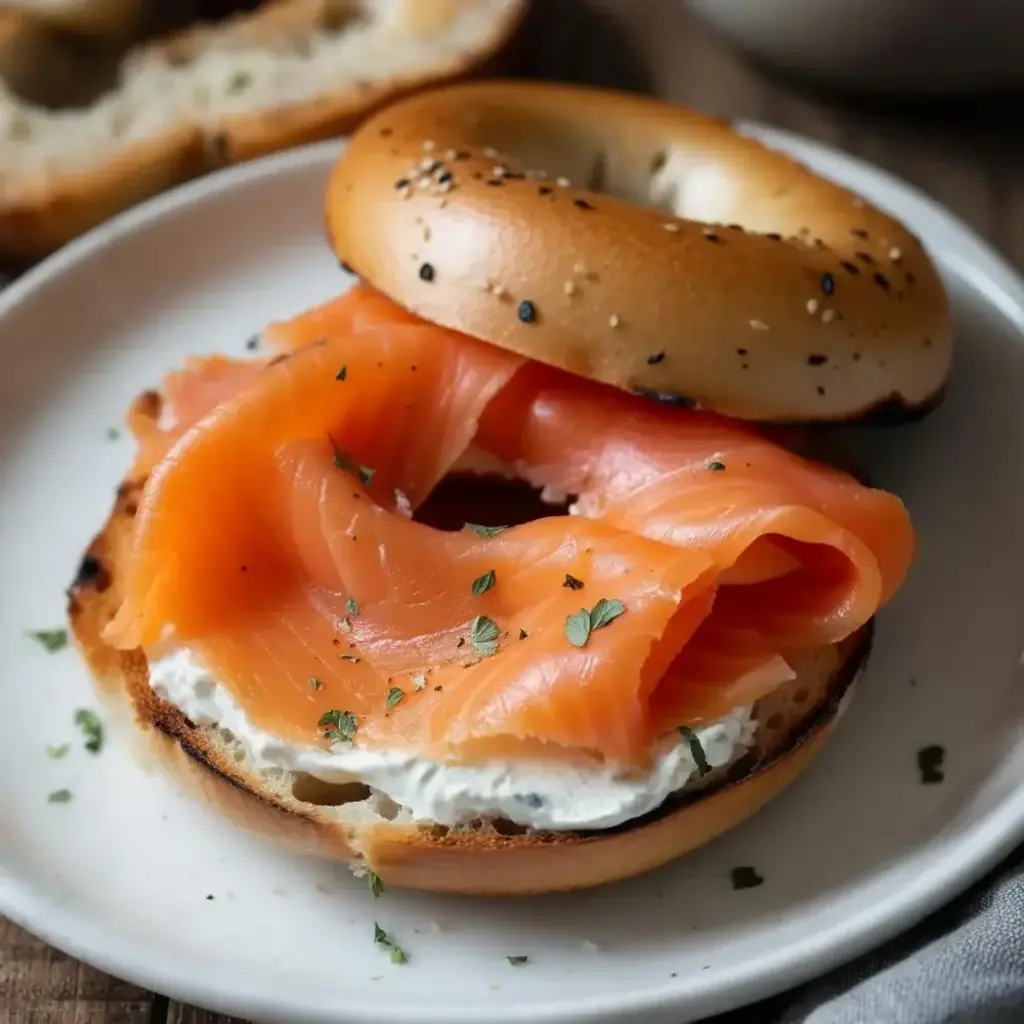
- Classic Breakfast: Split, toasted (optional), and topped with cream cheese, smoked salmon, and capers.
- Avocado Toast Keto-Style: Smashed avocado with a sprinkle of red pepper flakes and sea salt.
- Egg Sandwich: Pan-fry your bagel half and use it as the bun for a breakfast sandwich with a fried egg, cheese, and bacon or sausage.
- With Keto Spreads: Serve with almond butter, sugar-free jam, or even some homemade keto butter.
- Plain: Honestly, they’re delicious enough to enjoy on their own with just a bit of butter!
Common Mistakes & How to Avoid Them
Even the best recipes can have a few pitfalls. Here’s how to ensure your keto bagels turn out perfectly every time:
- Too Gummy: This usually happens from using too much coconut flour or not enough psyllium husk. Psyllium husk is key for structure. Ensure you measure it accurately and use powder, not whole husks.
- Too Dry/Crumbly: Insufficient fat or moisture. Always use full-fat Greek yogurt and the specified amount of butter/oil. Don’t overbake them.
- Not Puffing Up: Ensure your baking powder is fresh. Also, avoid overworking the dough once the psyllium husk is added, as it can make it tough.
- Sticking to the Pan: Always use parchment paper or a silicone mat. Gently grease your hands when shaping.
- Uneven Texture: Make sure your almond flour is finely ground and that all dry ingredients are well-whisked to ensure even distribution.
Storing Tips
Store your cooled keto bagels in an airtight container at room temperature for 1-2 days. For longer storage, keep them in the refrigerator for up to a week. They can also be frozen for up to 2-3 months. To reheat from the fridge or freezer, toast them lightly in a toaster oven, regular toaster, or even a skillet until warmed through and slightly crisp!
Frequently Asked Questions
***Is Greek yogurt essential for this recipe?***
Yes, full-fat Greek yogurt is a key ingredient that contributes significantly to the soft, chewy texture and adds a pleasant tang. While substitutions are possible (like sour cream or cream cheese), they will alter the final flavor and texture.
***Can I use different keto flours?***
You can experiment with other keto flour blends, but it’s not always a simple 1:1 substitution. Coconut flour is very absorbent, and psyllium husk is crucial for chewiness. If you change the flours drastically, you may need to adjust the liquid and binder ratios.
***Do I need to boil these keto bagels?***
No! Unlike traditional bagels that require a boiling step to achieve their characteristic chewy crust, these keto bagels are baked directly, streamlining the process and making them much quicker to prepare.
***How do I get them to be chewy and not cakey?***
The combination of psyllium husk powder, Greek yogurt, and careful baking are key. Ensure you don’t overbake them. Letting them cool completely on a wire rack also helps set the structure for optimal chewiness.
Ready to ditch the carb-heavy bakery bagels for good? Give this Keto Bagel Recipe with Greek Yogurt a try and let us know how you love them in the comments below! Don’t forget to share your creations on social media and tag us!
Keto Bagel Recipe with Greek Yogurt – Soft, Chewy & Low-Carb

Soft and chewy keto bagels made with Greek yogurt, perfect for breakfast or meal prep.
Ingredients
- 1 cupfull-fat Greek yogurt
- 1egg (plus 1 for egg wash)
- 1 cupalmond flour
- 1 tbspcoconut flour (optional)
- 2 tspbaking powder
- Pinch of salt
- Optional: Everything bagel seasoning or sesame seeds
Instructions
- 1. Preheat oven to 375°F (190°C) and line a baking sheet with parchment paper.
- 2. Mix Greek yogurt and 1 egg in a bowl until smooth.
- 3. Add almond flour, coconut flour, baking powder, and salt. Stir until a soft dough forms.
- 4. Let rest for 5–10 minutes if sticky, or chill in the fridge.
- 5. Divide dough into 4, shape into bagels.
- 6. Place on tray, brush with egg wash, and top with seasoning.
- 7. Bake for 20–25 minutes, until golden and firm.
Notes
To freeze, wrap each bagel in parchment and store in a freezer-safe container.
Toast or bake from frozen—no need to thaw.
Nutrition
- Calories: 180
- Sugar: 1g
- Fat: 13g
- Carbohydrates: 5g
- Protein: 9g
“`