
Table of Contents
Layered Roasted Vegetable and Goat Cheese Terrine: An Elegant Showstopper
Growing up in Morocco, my mother taught me that food wasn’t just about sustenance; it was about beauty, artistry, and sharing. That philosophy has stayed with me through my culinary training in Paris and now informs everything I create in my NYC kitchen. This layered roasted vegetable and goat cheese terrine is a perfect embodiment of that ethos. It’s an elegant showstopper, a vibrant mosaic of fresh flavors and textures that always impresses. I love how it transforms simple, seasonal produce into something truly spectacular while still being incredibly satisfying.
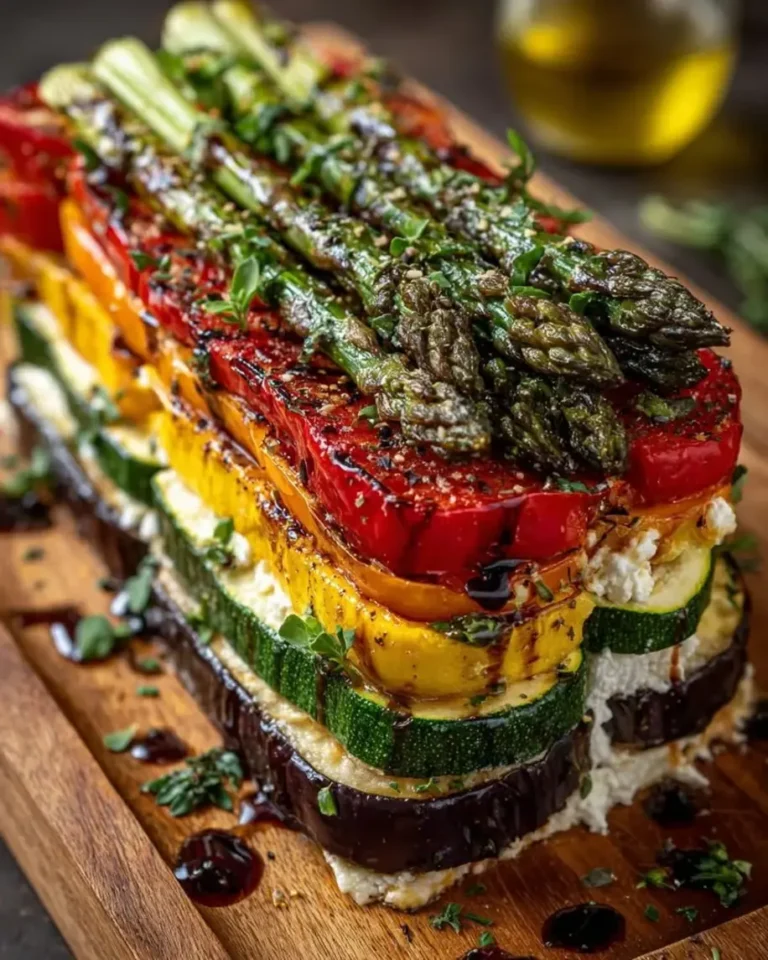
Imagine the rich earthiness of slow-roasted eggplant and zucchini, the sweet tang of bell peppers, and the delicate bite of asparagus, all nestled between luscious layers of herbed goat cheese. Each slice reveals a kaleidoscope of colors, a testament to the fresh ingredients and careful assembly. The roasting process brings out an incredible depth of flavor in the vegetables, while the creamy goat cheese adds a bright, slightly piquant contrast that is simply addictive. It’s a dish that appeals to both the eye and the palate, reminiscent of the vibrant markets I’d wander through in Paris, brimming with fresh produce.
While a terrine might sound intimidating, I promise you, with a few chef’s tricks, it’s entirely approachable. My recipe perfects the art of the layered roasted vegetable and goat cheese terrine, ensuring easy slicing and a beautiful presentation every time. I’ll share my secrets for perfectly roasted vegetables, a creamy, stable goat cheese filling, and how to achieve those crisp, clean layers. I’ll even walk you through a simple technique to make sure your terrine holds its shape like a dream, avoiding any common pitfalls.
Why This Layered Roasted Vegetable and Goat Cheese Terrine Recipe Is the Best
As a chef, I believe every recipe should shine with both flavor and finesse. My take on this roasted vegetable terrine goes beyond a simple layering of ingredients. The key is in how each vegetable is prepared, ensuring maximum flavor through proper roasting and seasoning, a technique I honed in French kitchens. This elevates the dish from good to unforgettable, providing a depth that will surprise even the most discerning palates.
Texture is paramount in a terrine, and I’ve refined this recipe for a perfected balance. The vegetables are roasted just until tender but still have a slight al dente resistance, preventing a mushy result. The goat cheese layer is whipped with heavy cream, making it smooth and spreadable, yet firm enough to hold its shape beautifully when chilled. This textural harmony, from the robust vegetables to the silky cheese, is what sets this terrine apart.
Don’t let the elegant appearance fool you; this recipe is surprisingly foolproof once you understand a couple of core principles. The secret to success lies in proper cooling of the vegetables and adequate chilling time. Unlike some more complex terrines, this one doesn’t require any gelatin, making the ingredient list straightforward. Its simplicity allows for impressive results with minimal stress, making it an ideal choice for entertaining or a special weeknight.
Layered Vegetable Terrine Ingredients
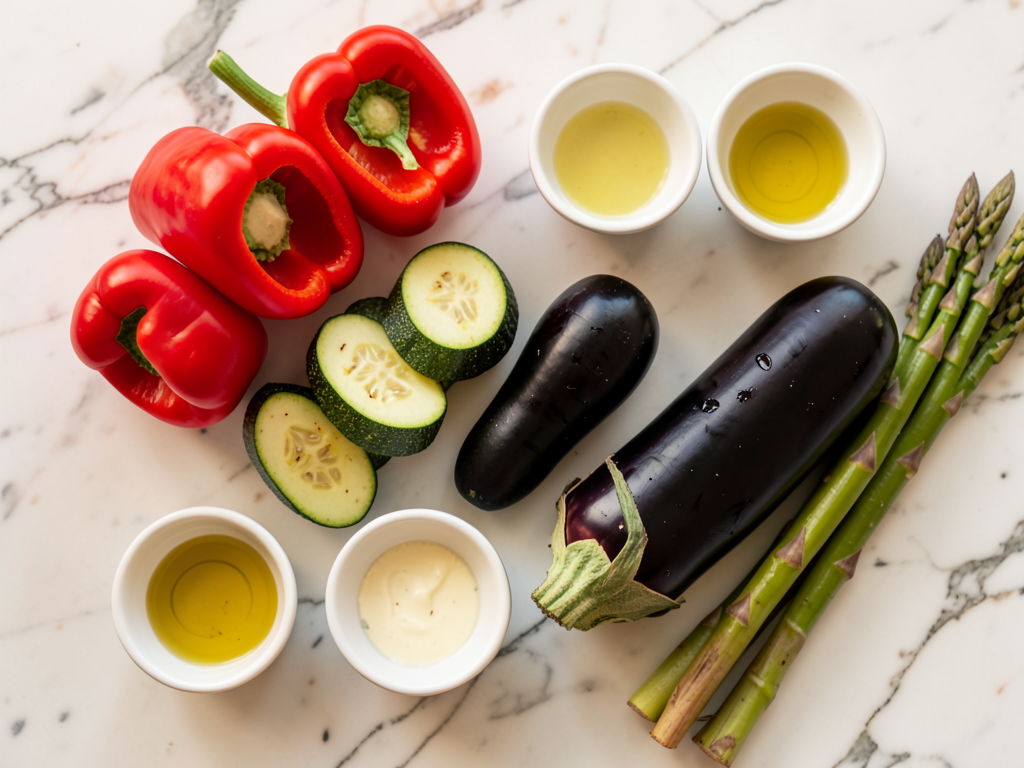
The beauty of a layered vegetable terrine often lies in the quality of its components. I love heading to my local NYC farmers market to find the freshest, most vibrant produce for this dish. Look for firm, colorful vegetables that speak of the season!
Ingredients List
- For the Roasted Vegetables:
- 2 large red bell peppers, quartered and deseeded
- 2 medium zucchini, sliced lengthwise into 1/4-inch strips
- 1 large eggplant, sliced lengthwise into 1/4-inch strips
- 1 bunch thick asparagus, woody ends trimmed
- 3 tablespoons olive oil
- Salt and freshly ground black pepper, to taste
- For the Goat Cheese Layer:
- 8 ounces (225g) fresh goat cheese, softened
- 1/4 cup heavy cream or crème fraîche
- 2 tablespoons chopped fresh herbs (such as basil, thyme, or chives)
- 1 teaspoon lemon zest
- Salt and pepper to taste
- For Assembly:
- Olive oil for brushing the pan
- Fresh herbs for garnish (optional)
Ingredient Spotlight
Red Bell Peppers: These add a lovely sweetness and vibrant color. Roasting them softens their texture and intensifies their flavor. Look for firm, glossy peppers without blemishes. If you’re short on red, orange or yellow bell peppers can be substituted but will offer a slightly different flavor profile – perhaps a bit less sweet.
Eggplant: The star of many Mediterranean dishes, eggplant becomes wonderfully tender and rich when roasted. Choose an eggplant that feels heavy for its size and has taut, shiny skin. If you can’t find eggplant, large portobello mushroom caps, sliced, make a fantastic earthy substitute, though they may release more liquid.
Fresh Goat Cheese (Chèvre): This provides the creamy, tangy backbone of the terrine. Its bright flavor cuts through the richness of the roasted vegetables. Opt for a good quality, plain chèvre for the best results. If goat cheese isn’t your preference, a blend of cream cheese and feta, or even a soft Boursin, could work, but you’ll lose some of that distinctive tanginess.
Fresh Herbs: Basil, thyme, and chives are my go-to for their fresh, aromatic notes. They lift the whole dish. Use what’s seasonal and fresh. If fresh herbs are unavailable, you can use about 1/2 tablespoon of dried Italian herb blend, but the flavor will be less vibrant and more subtle.
Heavy Cream or Crème Fraîche: This is crucial for making the goat cheese layer smooth and spreadable, while also helping it set firmly. Heavy cream is more common in US stores, but crème fraîche offers a lovely slightly sour note if you can find it. Whole milk can be used in a pinch, but the texture might be less rich and may not set as firmly.
| Original Ingredient | Best Substitution | Flavor / Texture Impact |
|---|---|---|
| Red Bell Peppers | Orange or Yellow Bell Peppers | Slightly less sweet, similar texture when roasted. |
| Eggplant | Portobello Mushrooms (sliced) | Earthier flavor, might release more liquid. |
| Fresh Goat Cheese | Cream Cheese & Feta Blend (50/50) | Less tangy, richer, denser texture. |
| Fresh Herbs | 1/2 tbsp Dried Italian Herb Blend | Milder, less vibrant aromatic notes. |
| Heavy Cream / Crème Fraîche | Whole Milk | Less rich, slightly softer goat cheese layer consistency. |
How to Make Layered Roasted Vegetable and Goat Cheese Terrine — Step-by-Step
Creating this roasted vegetable terrine might seem like a project, but I promise each step is straightforward and rewarding. Just follow along, and you’ll have a stunning dish!
Step 1: Preheat and Prepare
Preheat your oven to 400°F (200°C). Line two large baking sheets with parchment paper. This step is crucial for easy cleanup and preventing the vegetables from sticking, a simple trick I learned in my mother’s kitchen in Morocco.
💡 Sara’s Pro Tip: Ensure your baking sheets are large enough to arrange the vegetables in a single layer. Overcrowding can steam the vegetables instead of roasting them, preventing that beautiful caramelization we’re aiming for. If you don’t have enough space, roast in batches.
Step 2: Roast the Vegetables
Arrange the bell pepper quarters, zucchini strips, eggplant strips, and asparagus spears in a single layer on the prepared baking sheets. Brush or drizzle with 3 tablespoons of olive oil and season generously with salt and pepper. Roast in the preheated oven for 20-30 minutes, or until the vegetables are tender and lightly caramelized at the edges. The asparagus may cook faster, so remove it when done. Let all vegetables cool completely on the baking sheets, then pat them dry if they release excess moisture.
⚠️ Common Mistake to Avoid: Do NOT assemble the terrine with warm vegetables. This is critical! Warm vegetables will melt the goat cheese, leading to a runny, unappealing terrine that won’t set property. Always let them cool completely.
Step 3: Make the Goat Cheese Layer
In a medium bowl, combine the softened goat cheese, heavy cream (or crème fraîche), chopped fresh herbs, and lemon zest. Mix until smooth and spreadable. I like to use a fork or a small whisk for this part. Season with salt and pepper to taste. This creamy, tangy mixture is what creates the delightful contrast with the roasted veggies.
Step 4: Line a Loaf Pan
Lightly brush the inside of a 9×5-inch (or similar 1.5-quart) loaf pan with olive oil. Then, line it completely with plastic wrap, leaving a generous overhang on all sides. This overhang will cover the top of the terrine during chilling and help you lift it out easily later. A well-lined pan is your best friend for a perfect unmolding, a trick I picked up during my time in pastry in Paris.
Step 5: Assemble the Terrine
Begin with a layer of roasted vegetables on the bottom of the prepared pan, using the largest, flattest slices like eggplant or zucchini to create a stable base. Spread a thin, even layer of the goat cheese mixture over the vegetable layer. Continue alternating layers of vegetables and goat cheese, pressing down gently after each layer to eliminate air pockets. Aim for 4-5 layers of vegetables, always ending with a vegetable layer on top for a polished finish.
💡 Sara’s Pro Tip: Pressing firmly but gently after each layer is key to a compact terrine that holds its shape. This prevents gaps and ensures a beautiful, solid slice. You can even use the bottom of a measuring cup or similar flat object to press evenly.
Step 6: Chill and Serve
Fold the overhanging plastic wrap neatly over the top of the terrine. Place a weight on top – a smaller loaf pan filled with canned goods works perfectly. Refrigerate for at least 8 hours, or preferably overnight. This chilling time is non-negotiable for the terrine to set properly. To serve, unwrap the top, invert the terrine onto a serving platter, and carefully remove the plastic wrap. Slice with a sharp, warm knife. Garnish with fresh herbs if desired, and enjoy!
| Step | Action | Duration | Key Visual Cue |
|---|---|---|---|
| 1 | Preheat oven & line sheets | 5 mins | Oven to 400°F, parchment laid flat. |
| 2 | Roast vegetables | 20-30 mins | Tender, lightly caramelized edges, cooled. |
| 3 | Make goat cheese layer | 5 mins | Smooth, spreadable, well-seasoned. |
| 4 | Line loaf pan | 5 mins | Plastic wrap with generous overhang, oiled pan. |
| 5 | Assemble terrine | 20 mins | Even layers, pressed down, ending with vegetables. |
| 6 | Chill & serve | 8+ hours | Firm, easily slicable, beautiful layers. |
Serving & Presentation
The reveal of a perfectly sliced layered roasted vegetable and goat cheese terrine is always a moment of joy for me. It’s truly a feast for the eyes before it even reaches the palate. To get those beautiful, clean slices, always use a sharp knife, and for extra precision, dip it in hot water and wipe it clean between each cut, just like we’d do for delicate pastries in Paris. This prevents the layers from dragging and ensures every piece is picture-perfect.
For plating, I love to serve individual slices on small appetizer plates, perhaps fanned out slightly, to showcase the vibrant layers. A simple garnish of fresh microgreens, a sprinkle of toasted pine nuts for crunch, or a drizzle of good quality balsamic glaze can elevate it further. The beauty of this terrine is its versatility; it stands alone as an elegant vegetarian appetizer or works wonderfully as a sophisticated side dish for a dinner party.
In my NYC kitchen, I often pair this with a light, crisp baguette or some artisanal crackers from a local bakery. The combination of the rich terrine with the crunchy bread is divine. It also makes an excellent addition to a cheese board, offering a fresh, savory counterpoint to richer cheeses and charcuterie.
| Pairing Type | Suggestions | Why It Works |
|---|---|---|
| Side Dish | Crisp green salad with vinaigrette, crusty sourdough bread, quinoa salad | Lightness balances richness; textures provide contrast; bread for scooping. |
| Sauce / Dip | Balsamic glaze, pesto, red pepper coulis | Adds an extra layer of flavor and moisture; vibrant color. |
| Beverage | Dry Rosé, Sauvignon Blanc, Sparkling Water with Mint | Cuts through the richness; refreshing and light alcohol content. |
| Garnish | Fresh basil leaves, toasted pine nuts, a pinch of flaky sea salt | Adds freshness, crunch, and a gourmet touch. |
Make-Ahead, Storage & Reheating
One of the beautiful advantages of this vegetable and goat cheese terrine is how wonderfully it lends itself to make-ahead prep. In my busy NYC life, I’m always looking for dishes that can be prepared in advance, and this terrine fits the bill perfectly for elegant entertaining without last-minute stress. You can assemble the entire terrine up to two days before you plan to serve it, allowing it ample time to chill and for flavors to meld.
| Method | Container | Duration | Reheating Tip |
|---|---|---|---|
| Refrigerator | Airtight container, tightly wrapped | Up to 3-4 days | Serve chilled. No reheating needed as it’s best cold. |
| Freezer | Not recommended | N/A | Freezing alters the texture of roasted vegetables and cheese. |
| Make-Ahead | Loaf pan, wrapped with plastic, weighted | Up to 2 days in advance | Assemble an d chill, then remove weight and plastic just before serving. |
While some terrines can be frozen, I strongly advise against freezing this particular goat cheese terrine. The delicate texture of the roasted vegetables and the creamy goat cheese doesn’t stand up well to freezing and thawing; it can become watery and lose its smooth consistency. So, stick to refrigerator storage! Always keep it tightly wrapped to prevent drying out and absorb any fridge odors.
This terrine is designed to be served chilled, so there’s no reheating necessary, which makes it even more convenient for entertaining. Just pull it out of the fridge, unmold, slice, and serve. Its ability to be made completely in advance without compromising quality makes it a staple in my repertoire for dinner parties and brunches.
Variations & Easy Swaps
Part of the joy of cooking, especially when inspired by the rich culinary traditions of Morocco and France, is the ability to adapt and personalize. This vegetable terrine is incredibly versatile, allowing you to swap ingredients based on seasonality or personal preference.
| Variation | Key Change | Best For | Difficulty Impact |
|---|---|---|---|
| Mediterranean Herb Terrine | Add oregano, marjoram, sun-dried tomatoes to cheese layer | Robust, earthy flavor profile | Minor increase (extra ingredients) |
| Dairy-Free Roasted Vegetable Terrine | Cashew cream or tofu ricotta instead of goat cheese | Vegan, lighter cheese texture | Moderate (requires making cashew cream) |
| Autumn Vegetable Terrine | Roasted butternut squash, parsnips, kale in layers | Sweet, earthy fall flavors | Minor increase (different roasting times) |
Mediterranean Herb Terrine
For a bolder Mediterranean twist, try incorporating a touch of dried oregano and marjoram into your goat cheese mix, alongside finely chopped sun-dried tomatoes (oil-packed, drained). You could also tuck in some thinly sliced Kalamata olives between the vegetable layers. This pays homage to the sun-drenched flavors I experienced on the coasts of Morocco and France, adding a wonderful savory depth.
Dairy-Free Roasted Vegetable Terrine
If you’re looking for a dairy-free option, you can absolutely make a delicious version. Replace the goat cheese with a rich, homemade cashew cream or a store-bought vegan cream cheese alternative. For a more authentic texture, blend silken tofu with a touch of nutritional yeast, lemon juice, and herbs until smooth – it provides a surprisingly similar and satisfying creamy layer. I’ve tested this for friends with dietary restrictions, and it works wonderfully, though the tang is less pronounced.
Autumn Vegetable Terrine
Embrace seasonal delights by swapping some of the summer vegetables for root vegetables. Instead of zucchini, slice thinly roasted butternut squash or parsnips. You could even add blanched kale or Swiss chard for an earthy green layer. Picture that vibrant mix of colors, reflecting the bounty of a brisk autumn harvest from a NYC farmers market – simply stunning and hearty for colder months.
How do you keep a roasted vegetable terrine from falling apart when slicing?
Keeping your roasted vegetable terrine from falling apart is all about careful assembly and sufficient chilling. First, ensure your roasted vegetables are completely cooled and even patted dry if they have released moisture; warm, wet vegetables will compromise the stability of the cheese layer. Second, press down firmly but gently after adding each layer of vegetables and goat cheese to eliminate air pockets and create a compact terrine. Finally, and most critically, allow the terrine to chill under a weight in the refrigerator for at least 8 hours, or ideally overnight. This allows the goat cheese to firm up and bind all the layers together, guaranteeing clean slices. For serving, use a very sharp knife and dip it in hot water, then wipe it clean, between each slice.
Can I substitute the goat cheese with another type of cheese in this terrine?
Yes, you can certainly substitute the goat cheese, though it will alter the flavor profile. Goat cheese provides a distinct tang and creaminess that is a signature of this terrine. Good alternatives include a mixture of cream cheese and softened feta, which will give you a similar salinity and firm-yet-creamy texture. You could also use a soft, spreadable sheep’s milk cheese or even a blend of ricotta and Parmesan for a richer, more savory note. Just ensure whatever cheese you choose is soft enough to spread easily when combined with heavy cream, but firm enough to set once chilled to maintain the terrine’s structure.
What are the best vegetables to use for a layered roasted vegetable terrine?
The best vegetables for a layered roasted vegetable terrine are those that roast well and hold their shape, while also offering a variety of colors and textures. My favorites include red bell peppers, zucchini, and eggplant because they become tender and slightly caramelized, adding depth of flavor. Asparagus and thinly sliced carrots also work beautifully. You can also experiment with other options like roasted yellow squash, finely sliced and roasted sweet potatoes, or even portobello mushroom caps. The key is to slice them thinly and evenly so they cook consistently and layer neatly, creating those gorgeous, distinct stripes in your terrine.
How far in advance can I make a vegetable and goat cheese terrine before serving?
This vegetable and goat cheese terrine is an excellent make-ahead dish, which is perfect for entertaining. You can assemble the entire terrine up to two days in advance. In fact, making it a day or two ahead often enhances the flavors as they have more time to meld and harmonize in the refrigerator. Just ensure it’s tightly wrapped in plastic in its loaf pan (with the weight on top) and stored in the coolest part of your refrigerator. When you’re ready to serve, simply unmold, slice, and enjoy. This advanced preparation makes elegant entertaining so much less stressful.
Can I use grilled vegetables instead of roasted for this terrine?
Absolutely, using grilled vegetables is a fantastic alternative to roasting and adds a wonderful smoky depth of flavor to your terrine. Ensure all the vegetables are sliced to a consistent thickness before grilling, just as you would for roasting. Grill them until they are tender with nice char marks, but still retain some structure. Just like with roasted vegetables, it’s crucial to let them cool completely and pat them dry of any excess moisture before assembling the terrine. The smoky notes from grilling will complement the tangy goat cheese beautifully.
What kind of pan is best for making a layered vegetable terrine?
A standard 9×5-inch or similar 1.5-quart loaf pan is ideal for making this layered vegetable terrine, as specified in the recipe. The rectangular shape helps create those classic, clean slices. If you don’t have a loaf pan, any similar-sized rectangular mold or even a small springform pan could work, though you may need to adjust the lining technique slightly. The key is to ensure the sides are relatively straight and that you can easily line it with plastic wrap, leaving enough overhang to assist with unmolding.
Share Your Version!
I truly hope you enjoy creating and sharing this layered roasted vegetable and goat cheese terrine as much as I do. It’s a dish that brings smiles and beautiful conversations to any table.
Did you make it? I’d love to see your stunning creation! Please leave a star rating and comment below with your thoughts and any delicious twists you tried. Don’t forget to share a photo on Instagram or Pinterest and tag @cheerychop so I can celebrate your culinary success. I’m always curious: What vegetables did you choose to make your terrine uniquely yours?
From my NYC kitchen to yours — I hope this recipe brings as much warmth to your table as it does to mine. — Sara 🧡
Love This Recipe? Save It to Pinterest!
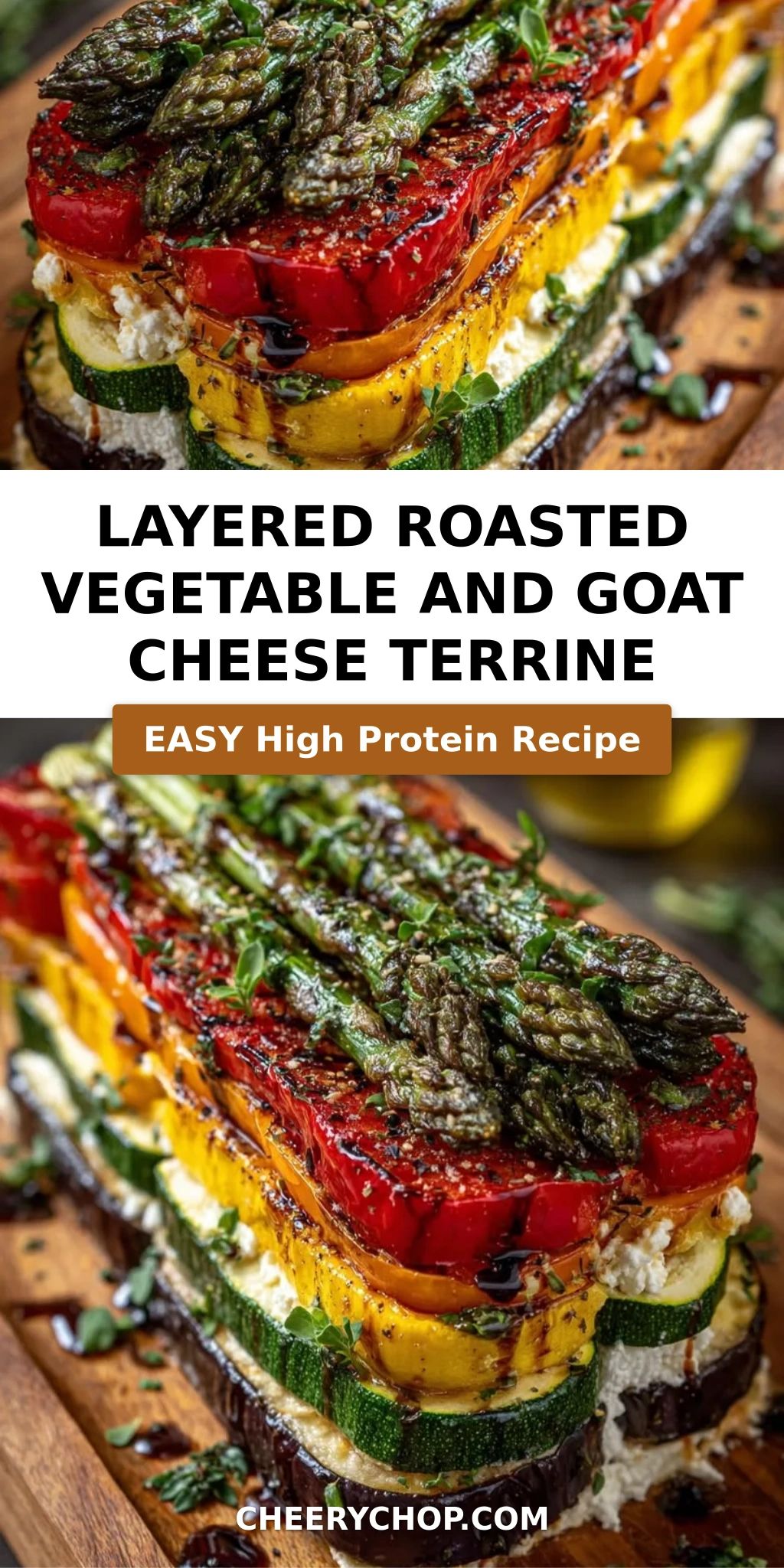
If you enjoyed this Layered Roasted Vegetable and Goat Cheese Terrine recipe, don’t let it get lost in your browser tabs! 😄 Pin it now so you can find it again anytime — and explore hundreds more tried-and-tested recipes waiting for you on my Pinterest boards.
👉 Follow Sara on Pinterest @chefrecipes2
📌 Pin this recipe · 🔁 Re-pin your favorites · 💬 Tag me when you make it — I love seeing your creations!
Layered Roasted Vegetable and Goat Cheese Terrine
A stunning vegetarian terrine made with layers of roasted vegetables and creamy goat cheese, perfect for a special occasion or elegant appetizer.
- Prep Time: 45 minutes
- Cook Time: 30 minutes
- Total Time: 9 hours 15 minutes (includes chilling)
- Yield: 8 1x
- Method: Appetizer, Side Dish
- Cuisine: Vegetarian
Ingredients
- For the Roasted Vegetables:
- 2 large red bell peppers, quartered and deseeded
- 2 medium zucchini, sliced lengthwise into 1/4-inch strips
- 1 large eggplant, sliced lengthwise into 1/4-inch strips
- 1 bunch thick asparagus, woody ends trimmed
- 3 tablespoons olive oil
- Salt and freshly ground black pepper, to taste
- For the Goat Cheese Layer:
- 8 ounces (225g) fresh goat cheese, softened
- 1/4 cup heavy cream or crème fraîche
- 2 tablespoons chopped fresh herbs (such as basil, thyme, or chives)
- 1 teaspoon lemon zest
- Salt and pepper to taste
- For Assembly:
- Olive oil for brushing the pan
- Fresh herbs for garnish (optional)
Instructions
- Preheat the oven to 400°F (200°C). Line two large baking sheets with parchment paper.
- Prepare the vegetables: Arrange the bell pepper quarters, zucchini strips, eggplant strips, and asparagus spears in a single layer on the prepared baking sheets. Brush or drizzle with 3 tablespoons of olive oil and season generously with salt and pepper.
- Roast the vegetables: Roast in the preheated oven for 20-30 minutes, or until the vegetables are tender and lightly caramelized at the edges. The asparagus may cook faster; remove it if done earlier. Let all vegetables cool completely.
- Make the goat cheese layer: In a medium bowl, combine the softened goat cheese, heavy cream, chopped herbs, and lemon zest. Mix until smooth and spreadable. Season with salt and pepper to taste.
- Line a loaf pan: Lightly brush the inside of a 9×5-inch (or similar 1.5-quart) loaf pan with olive oil. Line it with plastic wrap, leaving a generous overhang on all sides.
- Assemble the terrine: Begin with a layer of roasted vegetables. Pat them dry if necessary. Arrange a single, even layer of the largest, flattest vegetable slices (like eggplant or zucchini) on the bottom of the prepared pan.
- Spread a thin, even layer of the goat cheese mixture over the vegetable layer.
- Continue layering, alternating vegetables and goat cheese, pressing down gently after each layer to eliminate air pockets. Aim for 4-5 layers of vegetables, ending with a vegetable layer on top.
- Fold the overhanging plastic wrap over the top of the terrine. Place a weight (like a smaller loaf pan filled with cans) on top. Refrigerate for at least 8 hours, or preferably overnight.
- To serve: Unwrap the top, invert the terrine onto a serving platter, and carefully remove the plastic wrap. Slice with a sharp, warm knife. Garnish with fresh herbs if desired.
Notes
You can use other vegetables like roasted portobello mushrooms or butternut squash. Ensure vegetables are thoroughly cooled before assembling to prevent the cheese from melting. For a cleaner slice, dip your knife in hot water and wipe it clean between cuts.
Nutrition
- Calories: 220
- Sugar: 7g
- Fat: 16g
- Carbohydrates: 12g
- Protein: 9g
Tried This Recipe? Leave a Comment!
Did you make this recipe? I’d love to hear how it turned out! Please leave a comment and a rating below. Your feedback helps other home cooks and supports cheerychop.com!
For more delicious inspiration, follow me on Pinterest!