Table of Contents
Honey Mustard Glazed Beef Tenderloin with Roasted Carrots & Garlic Potatoes – A Chef’s Masterpiece Made Easy
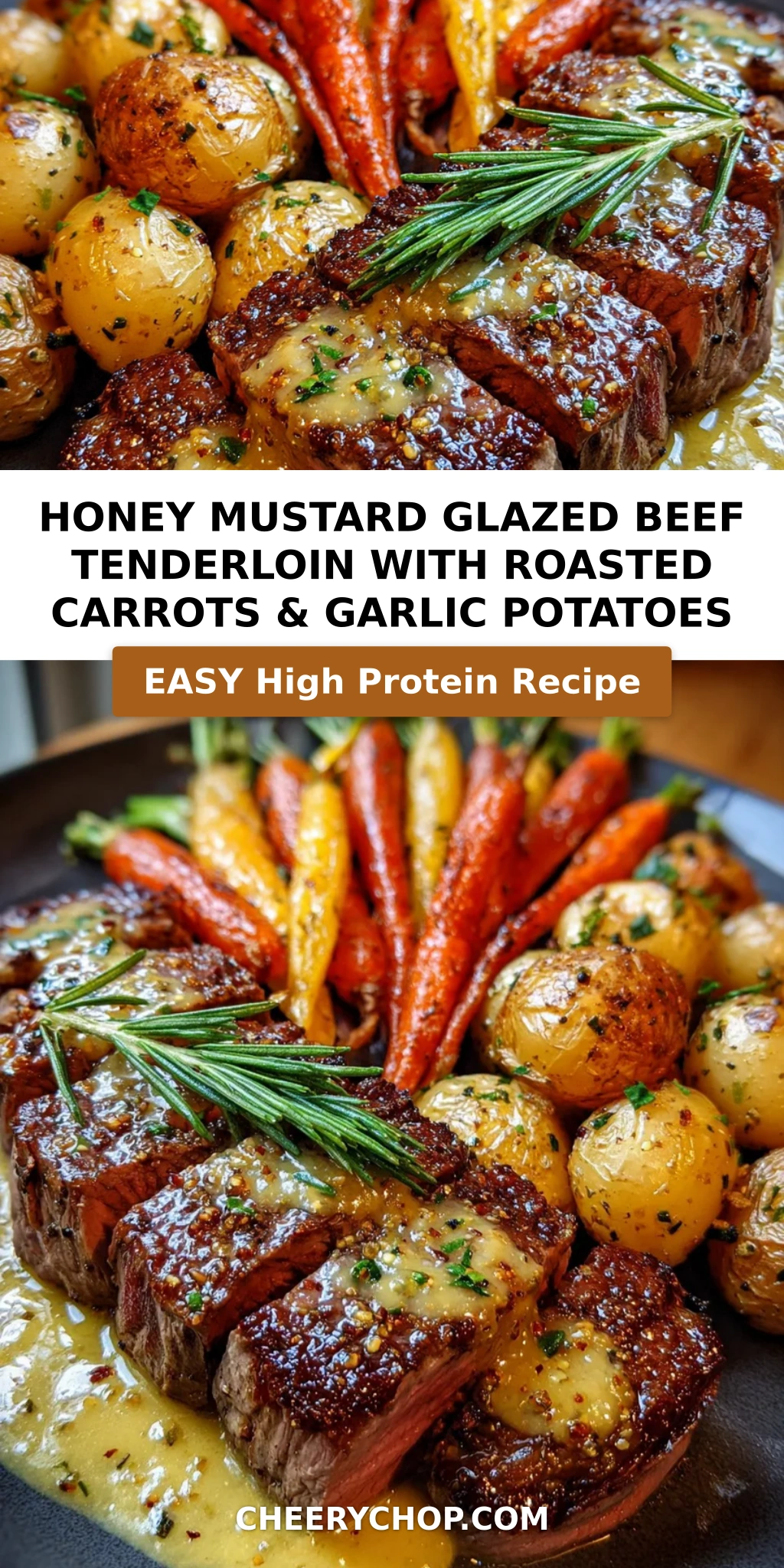
Growing up in Morocco, Sunday dinners were an event. My mother, with her hands always busy, would transform simple ingredients into feasts that lingered in our memories for weeks. Even now, in my bustling New York City kitchen, I find myself returning to that philosophy: elevate comforting classics with a touch of elegance. This honey mustard glazed beef tenderloin recipe is a perfect example. It’s a showstopper that feels incredibly gourmet, yet the secret is in a few simple techniques I picked up in Paris – like the perfect roast and a balanced glaze – which make it surprisingly approachable for any home cook. The sweet and tangy glaze, paired with tender, perfectly roasted beef and crisp garlic potatoes, creates a symphony of flavors that truly defines a special meal.
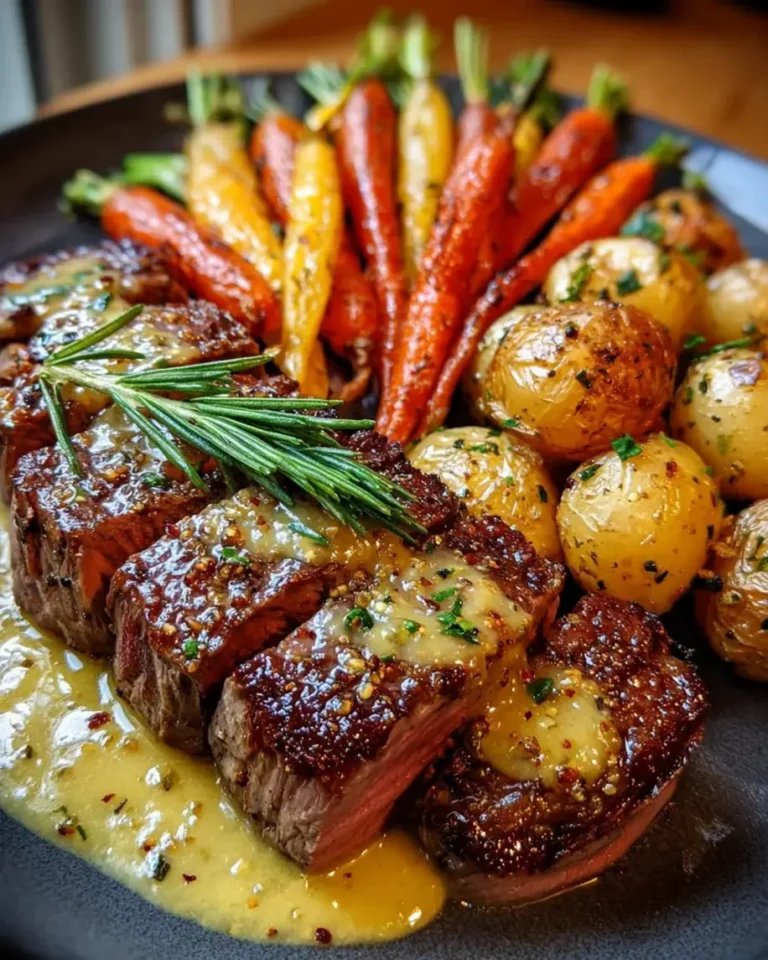
Imagine biting into a slice of beef tenderloin, so tender it practically melts, coated in a sticky, golden honey mustard glaze that offers a delightful contrast of sweet, savory, and a hint of spice. The aroma filling your kitchen—a mix of roasting garlic, fresh thyme, and that irresistible honey mustard—will make everyone gather around. Alongside, you have vibrant, caramelized roasted carrots and fluffy, golden garlic potatoes, each imbued with the earthy goodness of the oven. It’s not just a meal; it’s an experience. The Dijon and whole-grain mustards in the glaze, a nod to classic French flavors, cut through the richness of the beef beautifully, making every forkful a perfectly balanced bite.
I’ve spent years perfecting beef roasts, from traditional Moroccan tagines to classic French châteaubriand. This specific honey mustard beef recipe combines the best of both worlds: the robust flavor of beef with a vibrant, accessible glaze. My version offers a foolproof method for achieving that coveted medium-rare doneness for your beef tenderloin, ensuring it’s never dry. I’ll also share a pro tip for maximizing flavor in your roasted vegetables and help you avoid a common mistake that can lead to rubbery beef. Get ready to impress your family and friends with an elegant yet easy beef roast dinner that tastes like it came straight from a gourmet restaurant!
Why This Honey Mustard Glazed Beef Tenderloin Recipe Is the Best
The real magic in this honey mustard glazed beef tenderloin lies in the incredibly versatile and flavorful glaze. It’s not just a simple brush-on; it’s a meticulously balanced blend of Dijon, whole-grain mustard, and honey, fortified with soy sauce for umami and fresh garlic for aromatic depth. This combination creates a glaze that caramelizes beautifully, infusing the beef with a sweet and tangy crust that tastes far more complex than the sum of its parts. Coming from a background steeped in both Moroccan spices and French sauce work, I appreciate a glaze that can elevate a dish from good to unforgettable, and this one truly delivers.
Achieving a perfectly tender beef tenderloin, especially to a medium-rare doneness, can seem intimidating, but my method ensures a consistently juicy result. The key is in proper searing (if you choose to do so, though not strictly necessary for this recipe) and, most critically, allowing the beef to rest adequately after roasting. This allows the juices to redistribute, preventing a dry, tough cut of meat. Paired with the rustic elegance of roasted carrots and garlic potatoes, each cooked to perfection – soft and sweet for the carrots, crispy on the outside and fluffy within for the potatoes – this meal highlights contrasting textures that excite the palate.
Despite its sophisticated appearance, this easy beef roast dinner is remarkably foolproof and relatively fast to prepare for such an impressive meal. By roasting the beef and vegetables together in one pan, we minimize cleanup and maximize efficiency, a trick I often rely on in my busy NYC life. The timing is designed to allow everything to finish cooking harmoniously, ensuring you spend less time fussing and more time enjoying your company. Even for those new to roasting, the clear steps and strategic glazing intervals make this not just a recipe, but a confident guide to culinary success.
Honey Mustard Glazed Beef Tenderloin Ingredients
For me, the quality of ingredients is paramount, whether I’m shopping at a bustling NYC farmers market or remembering the fresh produce from my childhood in Morocco. This honey mustard glazed beef tenderloin relies on good quality components for the best flavor.
Ingredients List
- For the Beef Tenderloin:
- 2 lb beef tenderloin roast, tied
- 2 tbsp olive oil
- 1/2 tsp kosher salt
- 1/2 tsp cracked black pepper
- For the Honey Mustard Glaze:
- 1/4 cup Dijon mustard
- 1/4 cup honey
- 2 tbsp whole-grain mustard
- 1 tbsp soy sauce
- 2 cloves garlic, minced
- For the Roasted Vegetables:
- 1 lb carrots, peeled and cut into 2-inch pieces
- 1.5 lbs baby potatoes, halved
- 3 tbsp olive oil
- 1 tsp dried thyme
- 1 tsp salt
- 1/2 tsp black pepper
- 6 cloves garlic, peeled and smashed
Ingredient Spotlight
Beef Tenderloin: This cut is known for its incredible tenderness. When selecting, look for a piece with even thickness, which helps in uniform cooking. If your tenderloin isn’t tied, ask your butcher to do it or tie it yourself with kitchen twine to maintain its shape. Substitutions for beef tenderloin are tough; a good quality sirloin roast could work but will be less tender and might require adjusted cooking times.
Dijon Mustard: A classic French mustard, Dijon provides a sharp, tangy, and slightly spicy kick. It’s essential for the complexity of the honey mustard glaze. When buying, ensure it’s authentic Dijon from France if possible, or a good quality American brand. If you don’t have Dijon, a spicy brown mustard can work in a pinch, but the flavor profile will shift slightly.
Whole-Grain Mustard: This adds a beautiful texture and a milder, earthier mustard flavor to the glaze, complementing the sharper Dijon. The visible mustard seeds also add visual appeal. If you don’t have whole-grain, you can use an extra tablespoon of Dijon, but you’ll lose that delightful textural element.
Honey: The sweetness of honey balances the mustards and helps create that irresistible caramelized crust on the beef. Any good quality honey will do; I often use local NYC honey for its unique floral notes. Maple syrup can be a decent substitute for sweetness, but it will slightly alter the flavor of the honey mustard beef.
Baby Potatoes: I love baby potatoes because they roast up beautifully, becoming crispy on the outside and creamy on the inside. Halving them ensures they cook evenly and quickly alongside the beef tenderloin. Red or yellow waxy potatoes are best. If you only have larger potatoes, cut them into 1-inch chunks.
| Original Ingredient | Best Substitution | Flavor / Texture Impact |
|---|---|---|
| Beef Tenderloin | Sirloin Roast (less tender) | Less tender, may require slightly longer cooking for desired doneness. |
| Dijon Mustard | Spicy Brown Mustard | Milder pungency, less classic ‘French’ flavor. |
| Whole-Grain Mustard | Extra Dijon Mustard | Loss of textural element from seeds, slightly sharper flavor. |
| Honey | Maple Syrup | Slightly different caramel note, less distinct honey flavor. |
| Baby Potatoes | Yukon Gold or Red Potatoes (cut into 1-inch chunks) | Similar texture, but larger pieces need more time to roast and may not crisp as uniformly. |
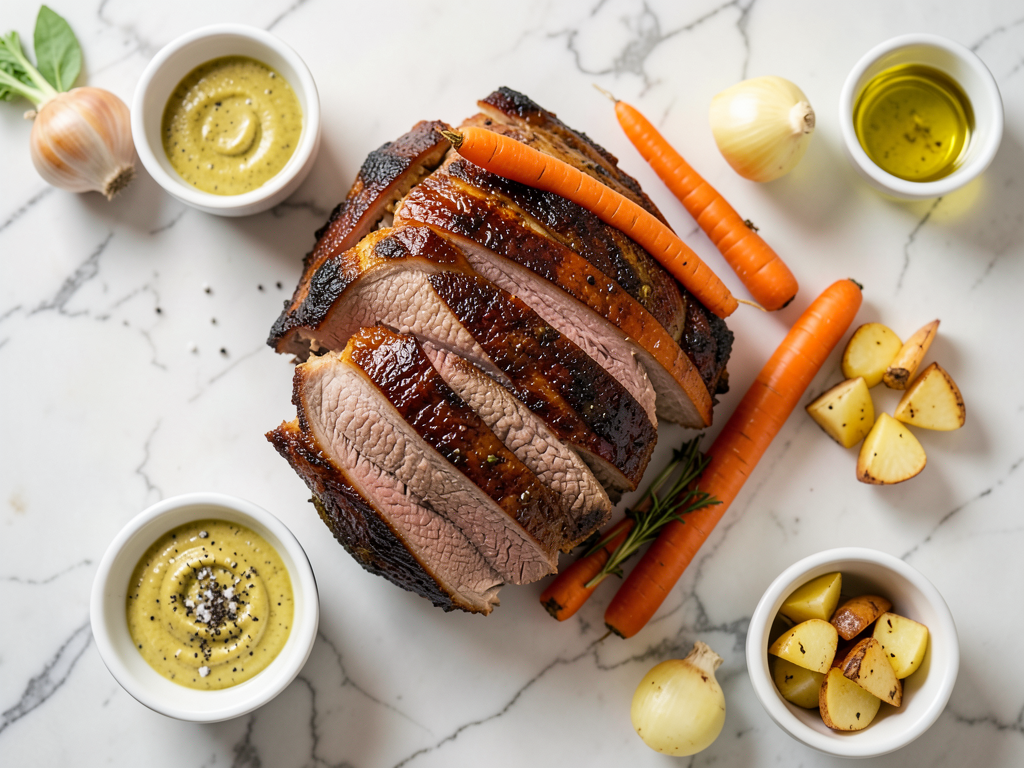
How to Make Honey Mustard Glazed Beef Tenderloin — Step-by-Step
Ready to create a show-stopping meal with confidence? Follow these steps closely, and your honey mustard glazed beef tenderloin will be perfectly cooked every time.
Step 1: Preheat and Prep the Beef
Start by preheating your oven to a robust 425°F (220°C). This high temperature is key to getting a good crust on the beef and caramelizing the vegetables. While the oven heats, take your beef tenderloin and pat it thoroughly dry with paper towels. This crucial step helps create a beautiful sear. Rub the entire roast with 2 tablespoons of olive oil, then season generously with 1/2 teaspoon each of kosher salt and cracked black pepper. Place the seasoned beef tenderloin in a large roasting pan.
💡 Sara’s Pro Tip: Allowing the beef to come to room temperature for about 30-60 minutes before roasting helps it cook more evenly from edge to center. This is a classic French chef trick!
Step 2: Whisk Up the Honey Mustard Glaze
In a small bowl, combine 1/4 cup Dijon mustard, 1/4 cup honey, 2 tablespoons whole-grain mustard, 1 tablespoon soy sauce, and 2 cloves of minced garlic. Whisk these ingredients vigorously until they’re well combined and form a smooth, luscious glaze. Set this aside; you’ll be using it in stages to build layers of flavor on your honey mustard beef.
⚠️ Common Mistake to Avoid: Don’t skip the soy sauce! It might seem unexpected, but it adds a crucial umami depth that really enhances the savory notes of the beef tenderloin and balances the glaze.
Step 3: Prepare the Roasted Vegetables
In a large bowl, toss your prepared carrots (1 lb, peeled and cut into 2-inch pieces) and baby potatoes (1.5 lbs, halved) with 6 smashed garlic cloves, 3 tablespoons of olive oil, 1 teaspoon dried thyme, 1 teaspoon salt, and 1/2 teaspoon black pepper. Make sure all the vegetables are evenly coated. Arrange them around the beef in the roasting pan. Try to spread them in a single layer as much as possible for even roasting and browning.
Step 4: Initial Roast
Place the roasting pan with the beef and vegetables into the preheated 425°F (220°C) oven. Roast for an initial 15 minutes. This step kick-starts the cooking process for both the beef and vegetables, allowing them to begin to caramelize and develop flavor.
Step 5: Glaze and Finish Roasting
After 15 minutes, carefully remove the roasting pan from the oven. Brush the beef generously with half of the honey mustard glaze. Return the pan to the oven and continue roasting. For medium-rare (which I prefer for beef tenderloin!), aim for an internal temperature of about 135°F, which typically takes another 20-25 minutes. During the last 10 minutes of this cooking time, brush the beef with the remaining glaze. The vegetables should also be tender and nicely browned by this point.
💡 Sara’s Pro Tip: An instant-read meat thermometer is your best friend for beef tenderloin! Insert it into the thickest part of the beef, avoiding bone. For medium-rare, pull the beef at 135-140°F, as it will continue to cook a few degrees as it rests.
Step 6: Rest and Serve
Once the beef reaches your desired doneness, remove the pan from the oven. This next step is crucial: loosely tent the beef tenderloin with foil and let it rest for a full 10 minutes before slicing. Don’t touch it! This rest allows the juices to redistribute throughout the meat, ensuring a tender, moist, and flavorful slice. Slice the beef against the grain and serve immediately with the perfectly roasted carrots and garlic potatoes. Bon appétit!
⚠️ Common Mistake to Avoid: Slicing the beef immediately after cooking. This causes all the delicious juices to run out, resulting in dry meat. Always let it rest!
| Step | Action | Duration | Key Visual Cue |
|---|---|---|---|
| 1 | Preheat oven & prep beef | 10-15 mins | Beef seasoned and in pan. |
| 2 | Make honey mustard glaze | 5 mins | Smooth, well-combined glaze. |
| 3 | Prep & toss vegetables | 10 mins | Vegetables evenly coated and arranged. |
| 4 | Initial roast | 15 mins | Beef starting to brown, vegetables softening. |
| 5 | Glaze & finish roasting | 20-25 mins | Beef reaches desired temp (135°F for MR), vegetables tender & browned. |
| 6 | Rest beef & serve | 10 mins | Juicy, tender beef ready for slicing. |
Serving & Presentation
Serving this honey mustard glazed beef tenderloin is where you truly bring the ‘chef’s masterpiece’ to life! I love to slice the rested beef into thick, elegant medallions, arranging them slightly fanned out on a large platter. Don’t forget to drizzle any pan juices over the slices – they’re packed with flavor! For garnishing, a sprinkle of fresh parsley or chives adds a pop of vibrant green and a touch of freshness that contrasts beautifully with the rich beef and caramelized glaze. You could even add a few thinly sliced orange segments around the platter for a touch of bright color, reminiscent of the citrus flavors often found in Moroccan cuisine.
The roasted carrots and garlic potatoes are fantastic served directly from the roasting pan, their rustic charm complementing the beef. Ensure they’re nestled beautifully around the beef slices on your serving dish, showcasing their golden-brown edges. The key is to make it look abundant and inviting, like a meal prepared with love. I often think back to the elaborate spreads my mother would prepare, where every dish had its place and contributed to the overall visual feast. This dish, with its rich colors and contrasting textures, lends itself perfectly to that kind of thoughtful presentation.
When it comes to pairings, this honey mustard beef is incredibly versatile. In my New York City restaurant days, I’d recommend a robust red wine, like a Cabernet Sauvignon or a Syrah, for an elevated experience. For a more casual, family-style meal, a crisp green salad with a light vinaigrette would provide a refreshing counterpoint to the richness of the roast. A simple artisanal bread to sop up those delicious pan juices is also a must! The combination of sweet, tangy, and savory flavors means you don’t need overly complicated side dishes; let the main course shine.
| Pairing Type | Suggestions | Why It Works |
|---|---|---|
| Side Dish | Steamed Green Beans, Creamed Spinach, Wild Rice Pilaf | Offers balanced textures, fresh contrast to richness, or hearty complement. |
| Sauce / Dip | Extra Honey Mustard Glaze, Horseradish Cream, Red Wine Jus | Enhances main flavors, adds tang or depth, complements beef’s richness. |
| Beverage | Cabernet Sauvignon, Syrah, Crisp Apple Cider | Red wines complement beef; cider offers a refreshing, tangy cut to the richness. |
| Garnish | Fresh Parsley, Chives, Thin Orange Slices | Adds color, fresh herbaceous notes, or bright citrus acidity to elevate presentation. |
Make-Ahead, Storage & Reheating
In a city like New York, every minute counts, especially when it comes to preparing delicious meals. That’s why I often think about how to make dishes like this honey mustard glazed beef tenderloin work with a busy schedule. This recipe is surprisingly accommodating for meal prepping, allowing you to enjoy gourmet flavors even on weeknights.
| Method | Container | Duration | Reheating Tip |
|---|---|---|---|
| Refrigerator | Airtight container | 3-4 days | Slice beef cold, then gently warm slices in a pan with a little broth or leftover pan juices. |
| Freezer | Freezer-safe bag/container (beef & veggies separate) | Up to 2 months | Thaw overnight in fridge. Reheat beef slowly in oven or slices in pan; reheat veggies in oven for crispness. |
| Make-Ahead | Prepped beef in fridge, glaze made, veggies chopped | Up to 1 day in advance | Assemble and roast as per instructions. Whisk glaze ingredients the day before. |
When reheating the beef tenderloin, the goal is always to preserve its tenderness and avoid drying it out. If reheating larger portions, I recommend placing them in an oven-safe dish with a splash of beef broth, covering it tightly with foil, and warming at a low temperature (around 275°F/135°C) until just heated through. For individual slices, a quick sear in a hot pan with a little butter or olive oil works wonders, or even a few seconds in the microwave if you’re truly in a rush, though the oven or stovetop method maintains better quality.
The roasted carrots and potatoes can be revived in a hot oven (400°F/200°C) for about 10-15 minutes until they crisp up again. Avoid reheating them in the microwave, as they can become mushy. Freezing the beef can slightly alter its texture, making it a bit less tender, but it will still be delicious, especially when served with the revitalized roasted vegetables. This make-ahead capability truly makes this gourmet dish fit into any schedule.
Variations & Easy Swaps
As a chef, I believe a great recipe is a starting point, a canvas for creativity. This honey mustard glazed beef tenderloin is no exception. While perfect as is, feel free to play with the flavors and ingredients to suit your mood or what’s available at your local market.
| Variation | Key Change | Best For | Difficulty Impact |
|---|---|---|---|
| Spicy Harissa Honey Mustard Twist | Add 1 tsp harissa paste to glaze | Those who love a fiery kick with sweetness, a nod to Moroccan spice. | Minimal: just stirring in an extra ingredient. |
| Gluten-Free & Soy-Free Glaze | Use tamari instead of soy sauce | Dietary restrictions; flavor remains very similar, nearly imperceptible change. | None; a direct swap. |
| Root Vegetable Medley | Swap carrots/potatoes for parsnips, sweet potatoes, or turnips | Seasonal eating or diversifying flavors; adds different earthy sweetness. | Low; roasting times may vary slightly based on vegetable density. |
Spicy Harissa Honey Mustard Twist
For those who appreciate a bit of heat, inspired by my Moroccan roots, try adding 1 teaspoon of harissa paste to your honey mustard glaze. This vibrant North African chili paste will infuse a warm, smoky spice that beautifully complements the sweetness of the honey and the tang of the mustard. It’s a quick way to add an exciting new dimension to your honey mustard beef, giving it an exotic, bold flavor profile without overpowering the delicate tenderloin.
Gluten-Free & Soy-Free Glaze
If you’re catering to dietary needs, swapping the regular soy sauce for tamari makes this entire meal gluten-free without sacrificing flavor. Tamari offers the same rich, umami depth as soy sauce but is traditionally brewed without wheat. For a completely soy-free option, coconut aminos can be used, though it has a slightly sweeter, milder flavor profile that works well with the honey and Dijon. I’ve tested both, and the glaze remains wonderfully balanced and adheres beautifully to the beef tenderloin.
Root Vegetable Medley
Embrace the bounty of the seasons, much like I do when I visit the Union Square Greenmarket in NYC. Instead of just carrots and potatoes, consider adding parsnips, sweet potatoes, or even chunks of turnips to your roasting pan. Just ensure all vegetables are cut into similar-sized pieces for even cooking. This variation adds a deeper complexity of earthy flavors and colors to your easy beef roast dinner, allowing you to customize it with what’s freshest and most appealing.
What is the best internal temperature for cooking beef tenderloin to medium-rare?
The ideal internal temperature for a perfect medium-rare beef tenderloin is between 130-135°F (54-57°C) when you remove it from the oven. Remember, the beef will continue to cook as it rests (this is called carryover cooking), so the temperature will rise by another 5-10 degrees to reach its final medium-rare state at around 135-140°F. Using a reliable instant-read meat thermometer inserted into the thickest part of the roast is crucial for accuracy. This ensures a beautiful pink center and a tender, juicy result, which is truly the goal for high-quality beef like tenderloin!
Can I substitute Dijon mustard for whole grain mustard in the honey mustard glaze?
Yes, you can substitute Dijon mustard for whole grain mustard in the honey mustard glaze, but be aware that it will change the texture and slightly alter the flavor profile. Whole-grain mustard adds a lovely rustic texture with its visible mustard seeds and a milder, often nuttier flavor. If you use only Dijon, your glaze will be smoother and have a sharper, more pungent mustard kick. If substituting, you could start with an equal amount of Dijon and adjust to taste, or even add a tiny pinch of mustard powder to enhance the depth if you feel it’s missing something. It will still be delicious!
How do you keep roasted carrots and potatoes from getting soggy?
Keeping roasted vegetables from getting soggy is all about promoting even browning and allowing moisture to escape. First, ensure your oven is preheated to a high temperature, like the 425°F (220°C) used in this recipe. Second, avoid overcrowding the pan; vegetables need space to roast, not steam. If they’re too close together, they’ll release steam and become soft instead of crispy. Using a large enough roasting pan or dividing them between two pans if necessary is key. Finally, make sure the vegetables are dry before tossing them with oil and seasonings; any excess surface moisture will also lead to steaming. These steps will give you perfectly tender-crisp roasted carrots and garlic potatoes.
What side dishes pair well with honey mustard glazed beef tenderloin?
This honey mustard glazed beef tenderloin is quite rich and flavorful, so complementary side dishes should either offer a contrasting freshness or a simple, comforting accompaniment. Beyond the roasted carrots and garlic potatoes that come with the recipe, I often suggest a crisp green salad with a light vinaigrette to cut through the richness. Creamed spinach or sautéed asparagus would also be elegant choices, adding a touch of green. For a heartier meal, a wild rice pilaf or even a cheesy polenta beautifully soaks up the delicious pan juices and offers a different texture. A crusty baguette is always welcome too!
Can I prepare parts of this beef tenderloin recipe ahead of time?
Absolutely! Preparing elements of this honey mustard glazed beef tenderloin ahead of time is a fantastic way to make entertaining easier or to enjoy a gourmet meal on a weeknight. You can whisk together all the ingredients for the honey mustard glaze up to 2 days in advance and store it in an airtight container in the refrigerator. The carrots and potatoes can be peeled and cut, then stored submerged in cold water in the fridge overnight. Just be sure to drain and thoroughly pat them dry before tossing with oil and seasonings. The beef tenderloin itself can be seasoned and tied up to 24 hours in advance, then kept in the fridge until about an hour before roasting. This thoughtful planning makes the day-of cooking much more relaxed.
What kind of beef tenderloin should I buy?
For the best honey mustard glazed beef tenderloin, aim for a cut that is labeled “beef tenderloin roast” and ideally, has been trimmed by your butcher. If it hasn’t been tied, ask your butcher to do so. Tying ensures the roast cooks evenly and maintains a uniform shape, which is essential for consistent doneness. Look for a piece that has good marbling (small flecks of fat throughout the muscle), as this contributes to flavor and tenderness. While prime grade is exceptional, choice or select grades of beef tenderloin will still yield fantastic results for this recipe, offering a balance of quality and value.
How can I tell if my beef tenderloin is cooked correctly without a thermometer?
While an instant-read thermometer is truly the most reliable tool, you can use the “touch test” if you don’t have one, though it requires practice. Gently press the center of the beef tenderloin with your finger. For rare, it will feel very soft, like the fleshy part of your palm below your thumb when your hand is relaxed. For medium-rare, it will feel softer and springier, like touching your thumb to your pointer finger. Medium will feel firmer. Remember, this method is less precise, and I always recommend investing in a good thermometer for best results to achieve that perfect medium-rare honey mustard beef.
Can I use other root vegetables besides carrots and potatoes for roasting?
Absolutely! This easy beef roast dinner is wonderfully adaptable. You can certainly use a variety of root vegetables alongside or in place of the carrots and potatoes. Parsnips will add a sweet, anisy flavor, while sweet potatoes offer a delicious earthiness and vibrant color. Rutabaga or turnips, cut into smaller pieces, also roast beautifully. Just be sure to cut all your chosen vegetables into roughly similar-sized pieces to ensure they cook evenly. Denser vegetables might need an extra 5-10 minutes of roasting time, so keep an eye on them for tenderness and browning. Feel free to experiment with what’s in season!
Should I sear the beef tenderloin before roasting?
For this specific honey mustard glazed beef tenderloin recipe, searing isn’t strictly necessary since the high oven temperature at the beginning helps to develop a nice crust. However, if you desire an even deeper, richer brown crust on your beef, you absolutely can sear it beforehand. To do so, heat 1-2 tablespoons of olive oil in a large oven-safe skillet over medium-high heat until shimmering. Sear the beef tenderloin on all sides for 2-3 minutes per side until deeply browned, then transfer the entire skillet to the oven. This extra step will add more depth of flavor and a beautiful exterior, though the recipe as written still yields excellent results!
Share Your Version!
I pour a lot of love, and a little bit of my Moroccan, Parisian, and NYC culinary journey into every recipe I create. This Honey Mustard Glazed Beef Tenderloin, with its comforting familiarity and elegant twist, is one of my favorites, and I truly hope you love making it as much as I do! Your kitchen is a space for creativity, and I’d be absolutely thrilled to see how this dish comes to life for you.
Did you make any fun veggie swaps, or perhaps add a secret spice to the glaze? What was your favorite part of this easy beef roast dinner? Please don’t hesitate to leave a star rating and a comment below to share your experience or any questions you might have. And if you snap a photo, share it on Instagram or Pinterest and tag me @cheerychop! I absolutely adore seeing your culinary creations. Let’s start a conversation: what’s your go-to special occasion beef dish?
From my NYC kitchen to yours — I hope this recipe brings as much warmth to your table as it does to mine. — Sara 🧡
Love This Recipe? Save It to Pinterest!
If you enjoyed this Honey Mustard Glazed Beef Tenderloin with Roasted Carrots & Garlic Potatoes recipe, don’t let it get lost in your browser tabs! 😄 Pin it now so you can find it again anytime — and explore hundreds more tried-and-tested recipes waiting for you on my Pinterest boards.
👉 Follow Sara on Pinterest @chefrecipes2
📌 Pin this recipe · 🔁 Re-pin your favorites · 💬 Tag me when you make it — I love seeing your creations!
Honey Mustard Glazed Beef Tenderloin with Roasted Carrots & Garlic Potatoes
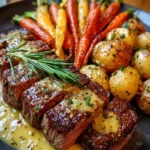
A show-stopping, elegant meal featuring a perfectly roasted beef tenderloin with a sweet and tangy honey mustard glaze, served alongside roasted carrots and crispy garlic potatoes.
- Prep Time: 20 minutes
- Cook Time: 40 minutes
- Total Time: 1 hour
- Yield: 6 1x
- Method: Main Course
- Cuisine: American
Ingredients
- For the Beef Tenderloin:
- 2 lb beef tenderloin roast, tied
- 2 tbsp olive oil
- 1/2 tsp kosher salt
- 1/2 tsp cracked black pepper
- For the Honey Mustard Glaze:
- 1/4 cup Dijon mustard
- 1/4 cup honey
- 2 tbsp whole-grain mustard
- 1 tbsp soy sauce
- 2 cloves garlic, minced
- For the Roasted Vegetables:
- 1 lb carrots, peeled and cut into 2-inch pieces
- 1.5 lbs baby potatoes, halved
- 3 tbsp olive oil
- 1 tsp dried thyme
- 1 tsp salt
- 1/2 tsp black pepper
- 6 cloves garlic, peeled and smashed
Instructions
- Preheat oven to 425°F (220°C).
- Pat the beef tenderloin dry and rub with 2 tbsp olive oil, salt, and pepper. Place in a large roasting pan.
- In a small bowl, whisk together Dijon mustard, honey, whole-grain mustard, soy sauce, and minced garlic to make the glaze. Set aside.
- In a large bowl, toss carrots, potatoes, and smashed garlic cloves with 3 tbsp olive oil, thyme, salt, and pepper. Arrange around the beef in the roasting pan.
- Roast for 15 minutes. Remove from oven and brush the beef generously with half of the honey mustard glaze.
- Return to oven and continue roasting until the beef reaches your desired doneness (about 20-25 minutes for medium-rare, or 135°F internal temperature) and vegetables are tender and browned, brushing with remaining glaze once more during the last 10 minutes.
- Remove from oven, tent the beef with foil, and let rest for 10 minutes before slicing. Serve the beef with the roasted vegetables.
Notes
Letting the beef rest after roasting is crucial for juicy, tender slices. For a stronger garlic flavor, you can add extra cloves to the roasting pan with the vegetables.
Nutrition
- Calories: 520
- Sugar: 18g
- Fat: 25g
- Carbohydrates: 38g
- Protein: 35g
Tried This Recipe? Leave a Comment!
Did you make this recipe? I’d love to hear how it turned out! Please leave a comment and a rating below. Your feedback helps other home cooks and supports cheerychop.com!
For more delicious inspiration, follow me on Pinterest!