
Table of Contents
Vibrant Mediterranean Beef Stir-Fry with Feta, Zucchini & Cherry Tomatoes – A 20-Minute Weeknight Dinner That Tastes Like the Mediterranean
I still remember the first time I made this Mediterranean beef stir-fry on a sweltering Tuesday night in my tiny NYC apartment. It was one of those evenings where you want something deeply satisfying but absolutely refuse to spend more than 20 minutes in the kitchen. I had just come back from the farmers market in Union Square with gorgeous zucchini and the sweetest cherry tomatoes I could find, plus a block of good feta from a Greek vendor who reminded me of the cheese vendors in the medina back home in Morocco. That night, this healthy beef stir-fry recipe was born — a dish that brings together the bold, sunny flavors of the Mediterranean with the quick, high-heat technique of a proper stir-fry. It’s become one of my most-requested weeknight dinners, and I’m so excited to share it with you today.
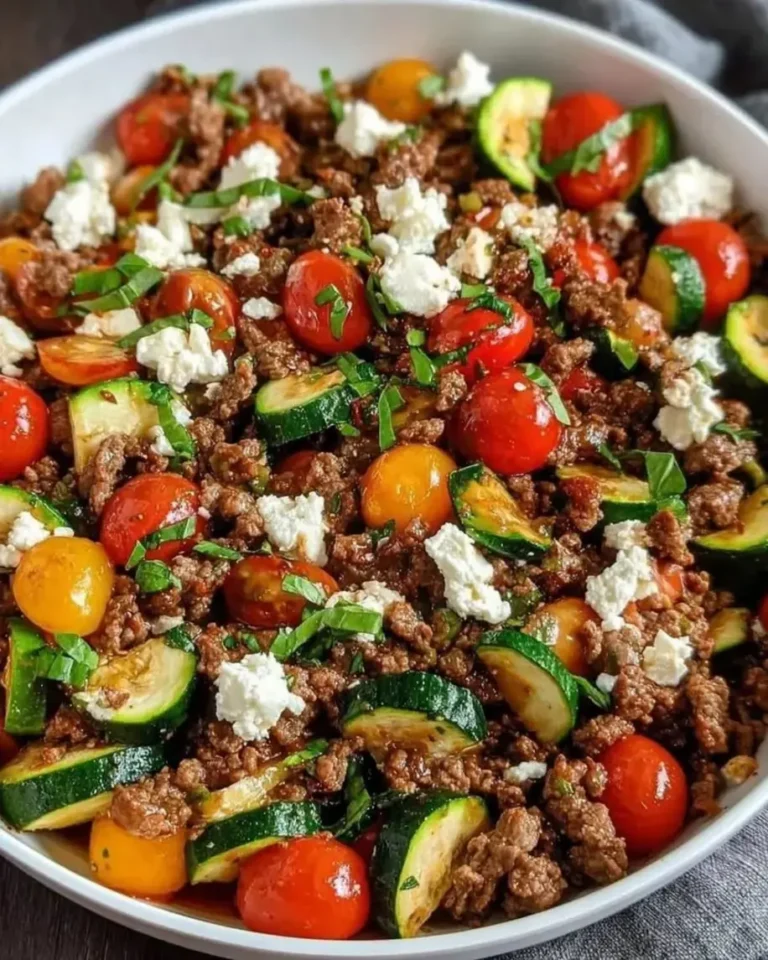
Imagine this: tender strips of beef sirloin, kissed with a golden-brown sear, tossed with zucchini slices that still have a slight bite and cherry tomatoes that burst into sweet, jammy pockets. Then, the crowning glory — creamy, salty feta cheese crumbled over the top, melting ever so slightly into the warm pan juices. A whisper of dried oregano ties it all together, and if you’re feeling fancy, a few fresh basil leaves add a pop of brightness. The colors alone are a feast — deep green, ruby red, snowy white — and the aroma is pure Mediterranean magic. It’s the kind of beef and zucchini stir-fry that makes you feel like you’re sitting at a seaside taverna, even if you’re just at your own kitchen table in Brooklyn.
What sets this quick Mediterranean dinner apart from other stir-fries is the combination of techniques I’ve gathered over the years — the high-heat searing I learned during my culinary training in Paris, the bold spice hand I inherited from my mother’s kitchen in Morocco, and the fresh-market sensibility I’ve developed living in New York City. I’ve tested this recipe dozens of times to get the zucchini just right (no soggy vegetables here!) and to make sure the feta stays creamy rather than turning into a puddle. Let me show you how to make this feta zucchini recipe your new weeknight hero.
Why This Vibrant Mediterranean Beef Stir-Fry Recipe Is the Best
The Flavor Secret — Most beef stir-fry recipes rely on soy sauce and ginger, but this one takes a detour straight to the Mediterranean. The combination of dried oregano, fruity olive oil, and salty feta cheese creates a flavor profile that is both bright and deeply savory. I learned the importance of letting good ingredients speak for themselves during my time at culinary school in Paris — and here, the feta is the star. It’s not just a garnish; it’s a creamy, tangy counterpoint to the rich beef and sweet vegetables. My mother’s influence shows up in the way I season the beef simply, letting the oregano and salt create a warm, aromatic base that reminds me of the spice stalls in our local souk.
Perfected Texture — The biggest challenge with any beef and zucchini stir-fry is keeping the zucchini from turning into mush. I’ve cracked the code: sear the beef first and set it aside, then cook the zucchini quickly over high heat so it stays firm and vibrant. The cherry tomatoes are added at the very end so they just begin to soften without losing their shape. This technique ensures every bite has a distinct texture — tender beef, crisp-tender zucchini, and tomatoes that burst with sweetness. My French training taught me the value of respecting each ingredient’s cooking time, and this recipe is a perfect example of that philosophy in action.
Foolproof & Fast — With just 20 minutes from start to finish, this healthy beef stir-fry recipe is designed for real life. Whether you’re a seasoned home cook or someone who’s just starting to build confidence in the kitchen, the steps are simple and the results are impressive. I’ve included all my best pro tips and common mistakes to avoid so you can nail it on your first try. Plus, the ingredient list is short and flexible — perfect for those nights when you’re staring into the fridge and wondering what to make for dinner.
Mediterranean Beef Stir-Fry Ingredients
I love shopping for these ingredients at my local farmers market in Chelsea, but everything is easily found at any US grocery store. The key is to pick zucchini that are firm and dark green, cherry tomatoes that are still on the vine if possible, and a block of feta that’s packed in brine — it’s so much creamier than the pre-crumbled stuff. This ingredient list is all you need to create a dinner that tastes like it took hours.
Ingredients List
- 1 lb beef sirloin, thinly sliced
- 2 medium zucchini, halved and sliced
- 1 cup cherry tomatoes, halved
- ½ cup crumbled feta cheese
- 3 cloves garlic, minced
- 2 tablespoons olive oil
- 1 teaspoon dried oregano
- ½ teaspoon salt
- ¼ teaspoon black pepper
- Fresh basil leaves for garnish (optional)
Ingredient Spotlight
Beef Sirloin — This cut is my go-to for stir-fries because it’s lean, tender when sliced thin, and cooks in minutes. Look for sirloin steak that’s bright red with fine marbling. If you can’t find sirloin, flank steak or ribeye work beautifully — just slice against the grain for the most tender result. Flank steak will be a bit chewier but still delicious; ribeye will be richer and more indulgent.
Zucchini — Choose zucchini that feels heavy for its size with shiny, unblemished skin. Smaller zucchini are generally sweeter and have fewer seeds. I never peel them — the skin adds color and texture. If your zucchini are especially large, cut out the spongy center before slicing to avoid excess moisture.
Feta Cheese — A good block of feta packed in brine is non-negotiable here. It’s creamier, tangier, and melts more gracefully than dry pre-crumbled feta. I love using sheep’s milk feta from Greece, but cow’s milk feta is also fine. For a dairy-free version, omit the feta or use a plant-based feta alternative — the dish will still be delicious, just less creamy.
Cherry Tomatoes — Sweet, ripe cherry tomatoes are essential for that burst of acidity. Grape tomatoes work too, but they’re a bit firmer, so give them an extra minute in the pan. In winter, I sometimes use sun-dried tomatoes (rehydrated) for a more concentrated flavor.
| Original Ingredient | Best Substitution | Flavor / Texture Impact |
|---|---|---|
| Beef Sirloin | Flank Steak or Ribeye | Flank is chewier; ribeye is richer and more tender. |
| Zucchini | Yellow Squash or Eggplant | Yellow squash is slightly sweeter; eggplant becomes more tender and absorbs flavors. |
| Feta Cheese | Goat Cheese or Ricotta Salata | Goat cheese is tangier and creamier; ricotta salata is saltier and firmer. |
| Cherry Tomatoes | Grape Tomatoes or Sun-Dried Tomatoes | Grape tomatoes are firmer; sun-dried add intense, concentrated sweetness. |
| Dried Oregano | Dried Thyme or Marjoram | Thyme is earthier; marjoram is milder and slightly floral. |
How to Make Vibrant Mediterranean Beef Stir-Fry — Step-by-Step
This comes together faster than you can order takeout. The key is to have all your ingredients prepped and ready before you turn on the heat — trust me, once that pan is hot, you won’t have time to chop. Follow these steps and you’ll have a gorgeous, restaurant-quality dinner on the table in 20 minutes.
Step 1: Sear the Beef
Heat 1 tablespoon of olive oil in a large skillet or wok over medium-high heat until it shimmers. Add the sliced beef sirloin in a single layer (work in batches if needed — overcrowding will steam the meat instead of searing it). Cook for 3–4 minutes, turning once, until the beef is deeply browned on the outside but still tender inside. Remove the beef with a slotted spoon and set it aside on a plate. Do not wipe out the pan — those browned bits are pure flavor.
💡 Sara’s Pro Tip: For the most tender beef, slice it against the grain into thin strips. A quick trick: pop the beef in the freezer for 15 minutes before slicing — it will be firm enough to cut paper-thin slices effortlessly.
Step 2: Stir-Fry the Zucchini and Garlic
Add the remaining 1 tablespoon of olive oil to the same skillet. Toss in the minced garlic and sliced zucchini, and stir-fry over medium-high heat for 2–3 minutes. The zucchini should be bright green and just starting to soften, with a few golden-brown spots. Don’t overcook it — you want it to have a little bite.
⚠️ Common Mistake to Avoid: Adding the zucchini when the pan isn’t hot enough. If the pan isn’t screaming hot, the zucchini will release its moisture and steam, turning soggy. Make sure the oil is shimmering before you add the vegetables.
Step 3: Add Cherry Tomatoes
Add the halved cherry tomatoes to the skillet and cook for 1–2 minutes, stirring gently, until they begin to soften and just start to release their juices. You want them to hold their shape but be tender enough to burst in your mouth. If you’re using grape tomatoes, give them an extra minute.
💡 Sara’s Pro Tip: Use tomatoes that are at room temperature for even cooking. Cold tomatoes from the fridge will lower the pan temperature and take longer to soften, which can lead to uneven results.
Step 4: Combine and Season
Return the seared beef to the skillet along with any accumulated juices. Sprinkle with dried oregano, salt, and black pepper. Toss everything together and cook for 1 minute to let the flavors meld. Taste and adjust seasoning if needed — remember that the feta will add saltiness, so go easy on the salt.
⚠️ Common Mistake to Avoid: Over-seasoning before adding the feta. Feta is naturally salty, so it’s best to season the stir-fry lightly and let the cheese provide the final salty kick. You can always add more salt at the table.
Step 5: Finish and Serve
Remove the skillet from the heat immediately. Crumble the feta cheese over the top and garnish with fresh basil leaves if you’re using them. The residual heat will gently warm the feta without melting it completely. Serve right away while everything is hot and vibrant.
💡 Sara’s Pro Tip: For the prettiest presentation, I like to transfer the stir-fry to a warmed serving platter, then scatter the feta and basil on top. It just looks more intentional and inviting that way — plus, it keeps the feta from sinking into the pan juices.
| Step | Action | Duration | Key Visual Cue |
|---|---|---|---|
| 1 | Sear beef | 3–4 min | Deep golden-brown crust on both sides |
| 2 | Stir-fry zucchini and garlic | 2–3 min | Bright green with golden spots, still firm |
| 3 | Add cherry tomatoes | 1–2 min | Tomatoes soften, skins just beginning to wrinkle |
| 4 | Combine and season | 1 min | Beef and vegetables evenly coated with seasoning |
| 5 | Finish and serve | Serve immediately | Feta softened but still distinct, basil bright |
Serving & Presentation
This Mediterranean beef stir-fry is incredibly versatile when it comes to serving. I love piling it onto a bed of fluffy couscous or quinoa to soak up all those flavorful pan juices. For a lower-carb option, serve it over cauliflower rice or alongside a big Greek salad with olives, cucumber, and a lemony vinaigrette. My Parisian chef instincts say a crusty baguette is never a bad idea either — especially when there’s feta involved.
When it comes to presentation, I like to channel the rustic elegance of a seaside taverna in Greece. Arrange the stir-fry on a large white platter so the colors pop, then scatter the feta and basil with a generous hand — don’t be shy. A final drizzle of good extra-virgin olive oil and a pinch of flaky sea salt right before serving adds a touch of finesse that will make everyone think you spent way more time than you actually did.
For a true NYC-meets-Mediterranean feel, I sometimes serve this with warm pita bread and a side of tzatziki sauce — the cool, garlicky yogurt is a beautiful contrast to the warm, savory stir-fry. It’s the kind of dinner that feels both special and effortless, whether you’re cooking for your family or hosting a few friends after a long week.
| Pairing Type | Suggestions | Why It Works |
|---|---|---|
| Side Dish | Couscous, quinoa, or warm pita bread | Grains soak up the flavorful pan juices; pita adds a satisfying chewy texture. |
| Sauce / Dip | Tzatziki, hummus, or a lemon-garlic yogurt sauce | Cool, creamy dips balance the warm, savory stir-fry and add a tangy freshness. |
| Beverage | Dry rosé, crisp white wine (Sauvignon Blanc), or sparkling water with lemon | The acidity cuts through the richness of the beef and feta, brightening each bite. |
| Garnish | Fresh basil, a drizzle of extra-virgin olive oil, flaky sea salt, lemon zest | Adds a burst of freshness, aroma, and visual appeal that elevates the entire dish. |
Make-Ahead, Storage & Reheating
I know how busy NYC life can get, so I’m all about recipes that work with your schedule. This healthy beef stir-fry recipe is best enjoyed fresh, but with a few smart strategies, you can absolutely prep ahead and store leftovers for a quick lunch or dinner later in the week. Here’s how I do it in my own kitchen.
| Method | Container | Duration | Reheating Tip |
|---|---|---|---|
| Refrigerator | Airtight glass container | Up to 3 days | Reheat in a hot skillet over medium-high heat for 2–3 minutes, adding a splash of water or olive oil to refresh the pan juices. |
| Freezer | Freezer-safe zip-top bag or container | Up to 2 months | Thaw overnight in the fridge, then reheat in a skillet. The zucchini will be softer but still delicious. |
| Make-Ahead | Separate containers for beef and vegetables | Up to 2 days in advance | Prep and cook the beef and vegetables separately, then combine and reheat on the stovetop. Add feta at the end. |
One thing I’ve learned the hard way: always store the feta separately if you’re planning to reheat leftovers. Feta that sits in the refrigerator overnight with the hot pan juices can become crumbly and lose its creamy texture. Keep it in a small container on the side and add it fresh when you reheat. Also, I recommend reheating in a skillet rather than the microwave — the high heat helps revive the zucchini’s texture and keeps the beef from turning tough.
Variations & Easy Swaps
This beef and zucchini stir-fry is a beautiful canvas for experimentation. Over the years, I’ve played with countless variations in my own kitchen — inspired by the spices of Morocco, the techniques I learned in Paris, and the seasonal ingredients I find at NYC markets. Here are some of my favorite ways to switch it up.
| Variation | Key Change | Best For | Difficulty Impact |
|---|---|---|---|
| Moroccan Spice | Add 1 tsp cumin, ½ tsp paprika, and a pinch of cinnamon | Warm, aromatic depth | Easy |
| Chicken or Tofu | Substitute beef with chicken breast or extra-firm tofu | Lower-fat or vegetarian option | Easy |
| Dairy-Free | Omit feta or use plant-based feta | Dairy-free diet | Easy |
Variation 1: Moroccan Spice Twist
This variation is a little love letter to my Moroccan roots. When I add cumin, paprika, and a whisper of cinnamon to the beef, the stir-fry transforms into something that tastes like it came from a spice-scented souk. The cumin adds an earthy warmth, the paprika brings a subtle sweetness, and the cinnamon — just a pinch — adds a mysterious depth that will have everyone asking what your secret is. Serve it with couscous studded with raisins and toasted almonds for a truly North African-inspired meal.
Variation 2: Chicken or Tofu Substitution
If you’re looking for a lighter option or simply want to switch up the protein, this quick Mediterranean dinner adapts beautifully to chicken or tofu. For chicken, use boneless, skinless thighs — they stay juicier than breasts — and cook them for 5–6 minutes until golden and cooked through. For tofu, press a block of extra-firm tofu for 15 minutes to remove excess moisture, then cube and sear until crispy on all sides. Both options work perfectly with the zucchini, tomatoes, and feta, and the cooking time remains almost the same.
Variation 3: Seasonal Vegetable Swap
One of my favorite things about living in New York City is the ever-changing farmers market. In the summer, I sometimes swap the zucchini for yellow squash or add a handful of green beans. In the fall, roasted red peppers and sautéed spinach make a gorgeous addition. The key is to keep the total vegetable quantity about the same and adjust cooking times as needed — denser vegetables like green beans will need an extra minute or two, while delicate spinach just needs a quick wilt at the end.
What’s the best cut of beef to use for a Mediterranean stir-fry?
For this Mediterranean beef stir-fry, I recommend beef sirloin for its tenderness and quick cooking time. It’s lean, affordable, and slices beautifully into thin strips. If sirloin isn’t available, flank steak is an excellent second choice — just be sure to slice it thinly against the grain for the most tender bite. Ribeye works wonderfully too if you’re looking for a richer, more indulgent option, though it is higher in fat. Whatever cut you choose, the key is to slice it into thin, even strips so it cooks in just 3–4 minutes. A quick tip: pop the beef in the freezer for 15 minutes before slicing — it firms up just enough to make paper-thin cuts effortless.
Can I substitute the feta cheese with another cheese in this recipe?
Absolutely! While feta brings a signature tangy, creamy finish to this dish, there are several cheeses that work beautifully as substitutes. Goat cheese is my top recommendation — it has a similar tanginess with an even creamier texture that softens nicely over the warm stir-fry. Ricotta salata is another excellent option; it’s saltier and firmer than feta, so you can crumble it on top for a similar visual effect. For a milder flavor, try fresh mozzarella pearls — they add a lovely milky note that pairs well with the oregano and zucchini. Just keep in mind that each cheese brings a different level of saltiness, so adjust your seasoning accordingly. For a dairy-free version, you can omit the cheese entirely or use a plant-based feta alternative.
How do you keep zucchini from getting soggy in a stir-fry?
This is one of the most common questions I get, and the answer comes down to three things: high heat, proper spacing, and short cooking time. First, make sure your pan is very hot before you add the zucchini — the oil should be shimmering, almost smoking. Second, don’t overcrowd the pan; cook the zucchini in a single layer if possible, or in batches if needed. When too many pieces are crowded together, they release steam instead of searing, which leads to sogginess. Third, cook the zucchini for just 2–3 minutes — it should be bright green and still have a bit of resistance when you bite into it. I also recommend patting the zucchini dry with a paper towel before cooking to remove any surface moisture. These simple steps will give you perfectly tender, never-soggy zucchini every time.
What should I serve with this Mediterranean beef stir-fry for a complete meal?
This stir-fry is wonderfully versatile and pairs beautifully with a range of sides. For a classic Mediterranean meal, serve it over fluffy couscous or quinoa to soak up the savory pan juices. A big Greek salad with crisp cucumber, briny olives, red onion, and a lemony oregano vinaigrette adds freshness and crunch. Warm pita bread or crusty baguette is perfect for sopping up every last bit of flavor. If you’re keeping it low-carb, cauliflower rice or a bed of baby spinach works beautifully. I also love to serve this with a side of tzatziki or hummus for dipping — the cool, creamy texture is a wonderful contrast to the warm, savory stir-fry. For a beverage, a dry rosé or a crisp Sauvignon Blanc complements the Mediterranean flavors beautifully.
Is this Mediterranean beef stir-fry healthy?
Yes! This recipe is packed with lean protein from the beef sirloin, fiber and vitamins from the zucchini and cherry tomatoes, and healthy fats from the olive oil and feta cheese. Each serving contains approximately 380 calories, 32 grams of protein, and only 8 grams of carbohydrates, making it a great option for those following a low-carb or balanced diet. The combination of fresh vegetables and high-quality ingredients means you’re getting a nutrient-dense meal that’s also incredibly satisfying. If you’re looking to reduce the fat content further, you can use a leaner cut of beef or substitute chicken or tofu for the beef. For a dairy-free version, simply omit the feta or use a plant-based alternative.
Can I make this stir-fry ahead of time for meal prep?
Absolutely! This recipe is meal-prep friendly with a few smart strategies. I recommend cooking the beef and vegetables separately and storing them in the refrigerator for up to 3 days. Keep the feta cheese in a small container on the side — adding it fresh when you reheat ensures it stays creamy and doesn’t become crumbly. When you’re ready to eat, simply reheat the beef and vegetables together in a hot skillet with a splash of water or olive oil for 2–3 minutes, then top with the feta. If you want to freeze the stir-fry, it will keep for up to 2 months. Thaw overnight in the fridge and reheat in a skillet. The zucchini will be slightly softer after freezing, but the flavor will still be delicious. For the best results, I recommend making the stir-fry fresh and storing leftovers for up to 3 days.
Can I use dried herbs instead of fresh basil?
Yes, you can substitute dried herbs for the fresh basil garnish, but keep in mind that dried herbs have a more concentrated flavor. I recommend using dried oregano — which is already in the recipe — or dried basil, but use only about 1 teaspoon of dried oregano or basil in place of the fresh basil. Add the dried herb when you return the beef to the skillet so it has a chance to rehydrate and release its flavor into the dish. However, I really encourage you to use fresh basil if you can find it — its bright, peppery sweetness is one of the final touches that makes this dish feel vibrant and special. Fresh herbs are widely available at any grocery store, and a small bunch will last for a week in your fridge.
How do I slice beef thinly for a stir-fry?
Slicing beef thinly for a stir-fry is easier than you think. The best trick is to place the beef in the freezer for 15–20 minutes before slicing — it firms up just enough to make clean, even cuts without any squishing. Always slice against the grain, which means cutting perpendicular to the natural lines of muscle fibers. This shortens the fibers and makes the meat much more tender. Use a sharp chef’s knife or a slicing knife for the best results. Aim for strips that are about ¼-inch thick and 2–3 inches long. If you’re using flank steak, you can also partially freeze it and then run it through a meat slicer if you have one. For this recipe, I use beef sirloin, which is already quite tender, but these slicing techniques will elevate any beef stir-fry you make.
Can I add other vegetables to this Mediterranean stir-fry?
Yes, this stir-fry is a wonderful canvas for extra vegetables! I often add bell peppers — red or yellow — for sweetness and color. Green beans, sliced diagonally, add lovely crunch and are very Mediterranean. A handful of baby spinach stirred in at the very end wilts beautifully and adds extra nutrients. Mushrooms, especially cremini or oyster mushrooms, bring an earthy depth that pairs well with the oregano and feta. If you’re adding denser vegetables like bell peppers or green beans, give them an extra minute or two in the pan before adding the cherry tomatoes. For leafy greens like spinach, add them at the very end and cook just until wilted. The key is to keep the total vegetable quantity to about 3–4 cups so the pan isn’t overcrowded.
What can I use instead of olive oil?
Olive oil is ideal for this Mediterranean recipe because of its fruity flavor and medium-high smoke point, but you can substitute it with other oils if needed. Avocado oil is my top alternative — it has a neutral flavor and a high smoke point, making it excellent for stir-frying. Grapeseed oil is another good option; it’s also neutral and handles high heat well. Coconut oil can be used for a subtle tropical note, though it will change the flavor profile slightly. If you’re using butter or ghee, be careful not to let it burn — ghee has a higher smoke point than butter and works beautifully with the Mediterranean flavors. Avoid using extra-virgin olive oil for the initial searing if you can, as its smoke point is lower; use regular olive oil or avocado oil for cooking and save the good extra-virgin stuff for drizzling at the end.
Share Your Version!
Now it’s your turn to bring this vibrant Mediterranean beef stir-fry to life in your own kitchen! I’d love to hear how it turned out for you — did you stick with the classic version or try one of the variations? Did you add extra veggies or experiment with the spices? Your kitchen stories are what make this community so special, and I read every single comment and rating you leave.
If you try this recipe, please leave a star rating and a comment below — it truly helps other home cooks find and trust this dish. And if you share a photo on Instagram or Pinterest, be sure to tag @cheerychop so I can see your beautiful creations. I love nothing more than scrolling through my feed and seeing your plates full of color and flavor. What was your favorite part of this healthy beef stir-fry recipe? Let me know in the comments — I’m genuinely curious!
From my NYC kitchen to yours — I hope this recipe brings as much warmth to your table as it does to mine. — Sara 🧡
💬 Did you make this recipe? I want to know! Drop a comment below and let me know how it went — or share your own twist on this Mediterranean stir-fry. ⭐
Love This Recipe? Save It to Pinterest!
If you enjoyed this Vibrant Mediterranean Beef Stir-Fry with Feta, Zucchini & Cherry Tomatoes recipe, don’t let it get lost in your browser tabs! 😄 Pin it now so you can find it again anytime — and explore hundreds more tried-and-tested recipes waiting for you on my Pinterest boards.
👉 Follow Sara on Pinterest @chefrecipes2
📌 Pin this recipe · 🔁 Re-pin your favorites · 💬 Tag me when you make it — I love seeing your creations!
Vibrant Mediterranean Beef Stir-Fry with Feta, Zucchini & Cherry Tomatoes

A quick and colorful beef stir-fry with Mediterranean flavors, featuring tender zucchini, sweet cherry tomatoes, and creamy feta cheese.
- Prep Time: 10 minutes
- Cook Time: 10 minutes
- Total Time: 20 minutes
- Yield: 4 servings 1x
- Method: Main Course
- Cuisine: Mediterranean
Ingredients
- 1 lb beef sirloin, thinly sliced
- 2 medium zucchini, halved and sliced
- 1 cup cherry tomatoes, halved
- 1/2 cup crumbled feta cheese
- 3 cloves garlic, minced
- 2 tablespoons olive oil
- 1 teaspoon dried oregano
- 1/2 teaspoon salt
- 1/4 teaspoon black pepper
- Fresh basil leaves for garnish (optional)
Instructions
- Heat olive oil in a large skillet or wok over medium-high heat.
- Add beef slices and cook until browned, about 3-4 minutes. Remove and set aside.
- In the same skillet, add garlic and zucchini. Stir-fry for 2-3 minutes until slightly tender.
- Add cherry tomatoes and cook for another 1-2 minutes until they begin to soften.
- Return beef to the skillet. Sprinkle with oregano, salt, and pepper. Toss to combine.
- Remove from heat and top with crumbled feta cheese and fresh basil if desired. Serve immediately.
Notes
For a lower-carb option, substitute beef with chicken or tofu. Feta can be omitted for a dairy-free version.
Nutrition
- Calories: 380
- Sugar: 4g
- Fat: 24g
- Carbohydrates: 8g
- Protein: 32g
Tried This Recipe? Leave a Comment!
Did you make this recipe? I’d love to hear how it turned out! Please leave a comment and a rating below. Your feedback helps other home cooks and supports cheerychop.com!
For more delicious inspiration, follow me on Pinterest!