
Table of Contents
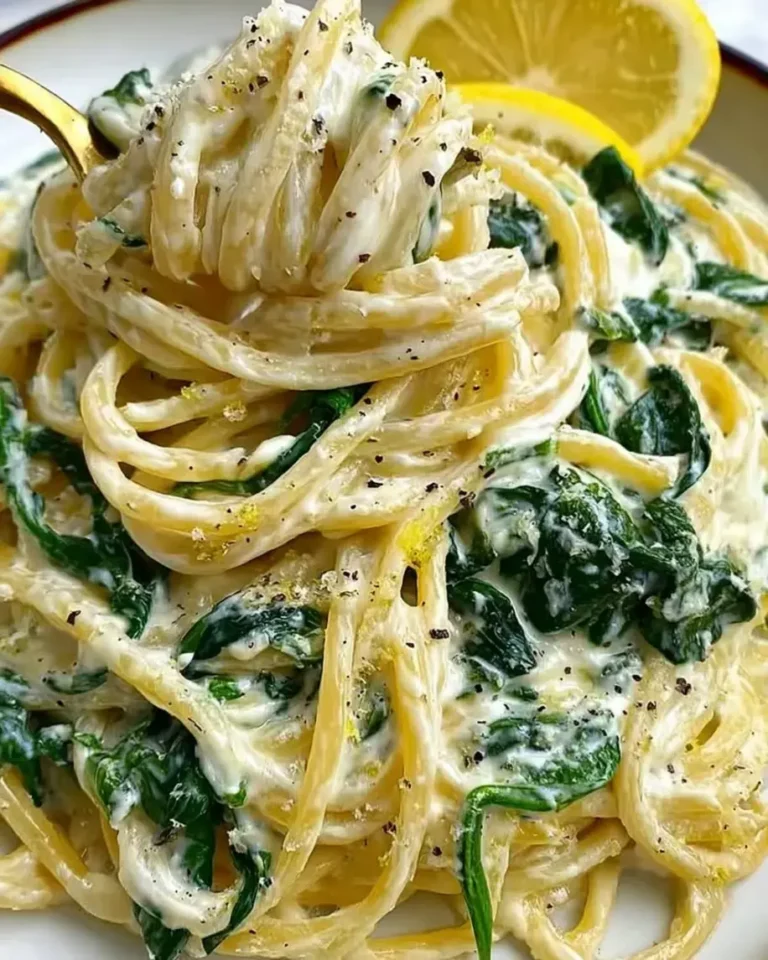
Zesty Lemon Ricotta and Spinach Pasta – Creamy Lemon Ricotta Pasta Ready in 20 Minutes

Growing up in Morocco, my mother’s kitchen was a symphony of bright, punchy flavors — preserved lemons, fresh herbs, and slow-cooked tagines that filled every corner of our home with a warm, heady perfume. When I moved to Paris for culinary school, I fell hard for the little Italian trattorias tucked between patisseries, where humble ingredients like ricotta and lemon were transformed into the most elegant sauces. This zesty lemon ricotta and spinach pasta is the love child of those two worlds: the glowing brightness of North African cooking collides with the silky restraint of Italian technique. It’s the creamy lemon ricotta pasta I turn to again and again on frantic New York evenings — equal parts comfort, speed, and sunshine.
What I love most about this lemon pasta with ricotta is watching the sauce transform right in front of you. As the ricotta melts into the warm olive oil, it becomes a velvety, cloud-like cream. The lemon zest releases its fragrant oils — sharp, sunny, and instantly mood-lifting — while the juice cuts through the richness like a beam of light. Fresh spinach wilts down to a deep emerald, adding an earthy sweetness that balances the tang. And every strand of fettuccine comes out glossy and coated, with tiny pockets of ricotta hiding in the curves. A whisper of red pepper flakes warms the finish without stealing the spotlight, making this easy spinach ricotta pasta taste like it came from a trattoria in Rome — except it came together in your kitchen in under half an hour.
In all my years of cooking — from Paris pastry kitchens to wandering the Union Square Greenmarket on Saturday mornings — I’ve learned that a great sauce doesn’t need heavy cream or a stick of butter. The secret to this easy spinach ricotta pasta is in how you treat the ricotta: keep the heat gentle, add the reserved pasta water in slow splashes, and let the starch build that silky, glossy emulsion. Today I’m sharing my chef-tested technique for a creamy lemon ricotta pasta that never curdles, plus the one common mistake that turns it grainy in home kitchens. Follow these steps, and you’ll have a restaurant-worthy ricotta and spinach pasta on the table in under 30 minutes.
Why This Creamy Lemon Ricotta Pasta Recipe Is the Best
The flavor secret is where my two culinary worlds collide. In Morocco, we almost never serve a dish that is one-note — there’s always a spark of acid, a hit of spice, or a handful of herbs to wake everything up. That’s exactly why I call for both lemon zest and lemon juice here. Zest delivers fragrant, perfumed brightness that the nose catches the instant the dish hits the table, while the juice provides a clean, tangy cut that keeps the whole-milk ricotta from feeling heavy. It’s a simple balancing act, but it’s what makes this creamy lemon ricotta pasta taste unmistakably alive and memorable.
The perfected texture comes from a technique I learned in France: building an emulsion with starchy pasta water instead of leaning on extra cream or butter. The reserved cooking liquid is full of starch, and as you toss it with the warm ricotta and Parmesan, those starches bind the fat and water into a silky, clingy sauce — the same principle behind a classic beurre blanc or a well-made risotto. This is why the dish gets glossier and more luxurious with every toss. One minute the sauce looks loose, and the next, it wraps around every strand of fettuccine like a soft velvet coat.
Foolproof and fast: between recipe testing, running cheerychop.com, and chasing the chaos of New York life, I need dinner to be both forgiving and genuinely quick. This recipe uses one pot, one skillet, and just twenty minutes from start to finish. It’s beginner-friendly because the sauce forgives imprecision — as long as you keep the heat gentle and taste as you go, you will succeed. There’s no fancy equipment, no hard-to-find ingredients, and no stress. It’s the kind of dinner that makes you look like a rock star on a Tuesday, with almost zero cleanup.
Lemon Ricotta Pasta Ingredients
When I shop for this ricotta and spinach pasta, I try to channel my mother: start with the absolute best ingredients and treat them simply. On weekends, I make the trip to Arthur Avenue in the Bronx for fresh ricotta from the Italian delis, then grab bright, fragrant lemons and tender baby spinach from the Union Square Greenmarket. The whole ritual reminds me that cooking is about joy, not perfection. If you’re shopping at your regular US grocery store, look for whole-milk ricotta, a lemon that feels heavy for its size, and a bag of pre-washed baby spinach — all of it right there in the dairy and produce aisles.
Ingredients List
- 12 oz (340 g) pasta — fettuccine, linguine, or spaghetti
- 2 tbsp olive oil — extra-virgin, preferably
- 3 cloves garlic, minced
- 1 cup (240 g) whole-milk ricotta cheese
- 1/2 cup (50 g) freshly grated Parmesan cheese, plus more for serving
- 1 lemon, zested and juiced (about 1 tbsp zest + 2–3 tbsp juice)
- 1/2 tsp red pepper flakes (optional, for heat)
- 5 oz (140 g) fresh baby spinach
- 1/2 cup (120 ml) reserved pasta water
- Salt and freshly ground black pepper, to taste
- Fresh basil or parsley, chopped, for garnish (optional)
Ingredient Spotlight
Whole-milk ricotta is the heart of this dish, so don’t skimp on quality or fat content. The extra richness of whole-milk gives the sauce its luscious, velvety body, while part-skim versions can turn watery as they heat. At the grocery store, check the ingredient list — a good ricotta should be simply milk, cream, salt, and an acid like vinegar or lemon juice. If you can find it fresh from a local Italian market, you’ll notice an incredible difference in sweetness and creaminess.
Fresh lemon is non-negotiable in this lemon pasta with ricotta. The zest holds fragrant essential oils that perfume the entire sauce, and the juice provides the acidity that keeps the richness in check. When shopping, choose lemons that feel heavy for their size and have smooth, thin skin — they yield the most juice. A medium lemon gives you about 1 tablespoon of zest and 2 to 3 tablespoons of juice, which is exactly what this recipe needs. For a sweeter, less acidic note, look for Meyer lemons in winter.
Baby spinach is my go-to here because it’s tender, pre-washed, and wilts in about 90 seconds — perfect for a 20-minute dinner. When buying, avoid any bags with slimy or dark leaves, and if you buy loose spinach, give it a quick rinse and spin dry to get rid of grit. Could you use regular curly spinach? Yes, but it’s tougher and requires a minute more of cooking. Frozen spinach works in a pinch too, just be sure to thaw and squeeze it thoroughly dry first.
Freshly grated Parmesan is worth every minute of grating. The pre-shredded bagged kind contains cellulose and anti-caking agents that prevent it from melting smoothly into your creamy lemon ricotta sauce, leaving a gritty texture. I use a fine Microplane to grate my Parmesan from a wedge — it only takes 30 seconds. For a slightly sharper, saltier finish, swap in Pecorino Romano, keeping in mind it’s more salty.
| Original Ingredient | Best Substitution | Flavor / Texture Impact |
|---|---|---|
| Whole-milk ricotta | Full-fat cottage cheese, blended smooth | Slightly tangier, still creamy and silky |
| Fresh baby spinach | Frozen chopped spinach, thawed & squeezed dry | Earthier and denser; great budget swap |
| Fresh lemon juice | Bottled lemon juice | Less aromatic; use extra zest to compensate |
| Parmesan cheese | Pecorino Romano | Saltier and sharper; reduce added salt |
| Fettuccine / linguine | Gluten-free brown rice or chickpea pasta | Nearly identical texture; slightly nuttier if chickpea |
How to Make Zesty Lemon Ricotta and Spinach Pasta — Step-by-Step
This lemon ricotta pasta practically makes itself — here’s how to nail every step with confidence.
Step 1: Boil the Pasta
Bring a large pot of water to a rolling boil and add a generous tablespoon of salt — the water should taste like the sea. Add your 12 oz of fettuccine, linguine, or spaghetti and cook according to the package directions until just al dente, about 8 to 10 minutes. Before draining, scoop out 1/2 cup of the starchy pasta cooking water and set it aside. This reserved liquid is the magic ingredient for a glossy, emulsified sauce.
💡 Sara’s Pro Tip: Set a timer for two minutes before the suggested cooking time and taste the pasta. Al dente literally means “to the tooth” — a slight resistance in the center — because the noodles will keep cooking for a minute as you toss them in the sauce.
Step 2: Sauté the Garlic
While the pasta boils, heat 2 tablespoons of olive oil in a large skillet over medium heat. Add the minced garlic and sauté for 1 to 2 minutes, stirring constantly, until it’s fragrant and just starting to turn golden. Watch carefully — the line between golden and burnt comes fast.
⚠️ Common Mistake to Avoid: Burnt garlic tastes bitter and acrid, and it can ruin the whole sauce. If you see the garlic taking color too quickly, slide the skillet off the heat and let the residual warmth finish the job.
Step 3: Create the Creamy Ricotta Sauce
Reduce the heat to low and stir in the whole-milk ricotta, grated Parmesan, lemon zest, lemon juice, and the red pepper flakes if you like a little warmth. Stir gently for 2 to 3 minutes until everything melts into a warm, creamy, pale-gold sauce. It will look thick at this point — that’s completely normal and exactly what you want.
💡 Sara’s Pro Tip: This is the moment to resist the urge to crank the heat. Low, gentle heat plus constant motion are what keep this creamy lemon ricotta pasta silky and smooth, never curdled.
Step 4: Wilt the Spinach
Add the fresh baby spinach in generous handfuls. Stir continuously, watching the leaves collapse as they hit the warm sauce. After 1 to 2 minutes, all the spinach should be wilted and evenly folded through the ricotta mixture. Season lightly with salt and black pepper.
⚠️ Common Mistake to Avoid: Don’t be tempted to dump all five ounces in at once, especially in a smaller skillet — it will be hard to stir. Adding in batches gives the spinach room to wilt evenly, so you end up with tender green ribbons instead of a watery clump.
Step 5: Toss the Pasta
Add the drained pasta directly to the skillet with the sauce. Toss with tongs for 1 to 2 minutes, coating every strand, then start adding the reserved pasta water, 2 to 3 tablespoons at a time, until the sauce loosens into a silky, glossy consistency that just clings to the pasta.
💡 Sara’s Pro Tip: Keep it loose! The pasta will absorb some sauce as it sits, so aim for a texture that looks slightly more saucy than you think you want. In Italy, they say the sauce should coat the back of a spoon — without being heavy.
Step 6: Adjust the Seasoning
Take a final taste and adjust: more salt, a crack of black pepper, an extra squeeze of lemon if you want to brighten it up. Serve immediately in warm bowls with an extra shower of Parmesan and a scattering of fresh basil or parsley.
⚠️ Common Mistake to Avoid: Letting the pasta sit in the skillet causes the sauce to keep reducing and become thick and gluey. Serve it the moment it’s silky and taste it right before it hits the bowl — that’s when it’s perfect.
| Step | Action | Duration | Key Visual Cue |
|---|---|---|---|
| 1 | Boil pasta in salted water | 8–10 min | Tender with a white center |
| 2 | Sauté garlic in olive oil | 1–2 min | Golden and fragrant, not browned |
| 3 | Stir in ricotta, Parmesan, lemon | 2–3 min | Pale-gold, thick, creamy |
| 4 | Add spinach and wilt | 1–2 min | Deep green, tender, folded through |
| 5 | Toss pasta with sauce + pasta water | 1–2 min | Silky, glossy coat |
| 6 | Taste and adjust seasoning | 1 min | Bright, balanced, irresistible |
Serving & Presentation
I love serving this lemon ricotta and spinach pasta in warm shallow bowls — the kind that let the sauce pool around the noodles. Twirl a generous portion into a nest, then finish with a final drizzle of good olive oil, a cloud of freshly grated Parmesan, and a few ribbons of fresh basil. If you really love lemon, add a sprinkle of extra zest right before serving; it hits the nose first and makes the whole dish taste even sunnier.
For a full weeknight dinner from my NYC kitchen, I pair this with a crisp green salad tossed in a lemony vinaigrette, plus thick slices of crusty bread for soaking up every last drop of sauce. On cooler evenings, roasted asparagus or sautéed mushrooms alongside make it feel extra special. It’s also a lovely dish to bring to a dinner party — just multiply the recipe, but always cook the pasta fresh for that perfect texture.
| Pairing Type | Suggestions | Why It Works |
|---|---|---|
| Side Dish | Crisp arugula salad with lemon vinaigrette, crusty sourdough, roasted asparagus | Peppery greens and charred vegetables add fresh contrast to the rich, creamy pasta. |
| Sauce / Dip | Extra lemon wedges, chili crisp, garlic butter for bread | Lets each guest dial up the brightness or heat exactly to their liking. |
| Beverage | Sauvignon Blanc, Pinot Grigio, sparkling water with lemon | Crisp acidity cuts through the creamy ricotta and echoes the lemon notes. |
| Garnish | Fresh basil ribbons, extra lemon zest, crushed pistachios or toasted pine nuts | Fresh herbs add fragrance, nuts add crunch, and zest adds a final bright lift. |
Make-Ahead, Storage & Reheating
As someone constantly balancing work and life in the city, I’m a big fan of prepping smart. The best make-ahead move for this creamy lemon ricotta pasta is to prepare the ricotta sauce through Step 3, let it cool, and keep it in a sealed jar in the fridge for up to two days. Then, on the night you want fresh pasta, simply boil the noodles, warm the sauce gently over low heat with a splash of pasta water, and toss.
| Method | Container | Duration | Reheating Tip |
|---|---|---|---|
| Refrigerator | Airtight glass container | Up to 3 days | Reheat on stovetop over medium-low with a splash of milk or water |
| Freezer | Freezer-safe container or zip-top bag | Up to 1 month | Thaw overnight in the fridge; warm gently with extra liquid |
| Make-Ahead | Sealed jar, refrigerated | Sauce keeps 2 days | Stir well; loosen sauce with pasta water when reheating |
One thing I’ve learned from years of meal prep: ricotta sauce reheats best when you’re gentle. Microwaving on high can cause the cheese proteins to tighten, separating into a watery, grainy mess. Instead, set your skillet to medium-low, add the leftover pasta with a splash of water or milk, and stir until it’s glossy and heated through. Sometimes I add a touch more lemon juice at the end to wake it right back up. For extra creaminess, you can also stir in a tablespoon of butter with the ricotta when reheating — a little trick that makes leftovers taste brand new. And if you prefer a more lemony flavor, don’t hesitate to add extra zest or a squeeze of fresh lemon juice at the end.
Nutrition Facts: calories 480 kcal | carbohydrates 67 g | fat 16 g | protein 22 g | sugar 4 g
Variations & Easy Swaps
| Variation | Key Change | Best For | Difficulty Impact |
|---|---|---|---|
| Grilled Chicken Lemon Ricotta Pasta | Add sliced grilled chicken | Extra protein, full meal | Easy |
| Gluten-Free Dairy-Free Version | GF pasta + plant-based ricotta | Dietary restrictions | Medium |
| Moroccan-Spiced Lemon Pasta | Add harissa + toasted almonds | Bold flavor twist | Easy |
Grilled Chicken Lemon Ricotta Pasta
One of my favorite ways to turn this into a heartier meal is to add sliced grilled chicken — it’s a complete dinner in one bowl. Season a chicken breast with salt, pepper, garlic powder, and a pinch of lemon zest, then grill or pan-sear until golden and cooked through. Let it rest for five minutes so the juices redistribute, then slice and lay it over the creamy lemon ricotta pasta. The savory char of the chicken balances the bright lemon beautifully, and it’s exactly the kind of effortless protein upgrade I rely on after a long day of recipe testing in the city.
Gluten-Free & Dairy-Free Version
For my friends with dietary restrictions, this recipe adapts beautifully. Use a high-quality brown rice or chickpea pasta for the gluten-free swap, and for dairy-free, replace the ricotta with a cultured cashew ricotta or a silken tofu blended with a splash of lemon juice and olive oil. You’ll also want to swap the Parmesan for a plant-based grated cheese. The sauce will be just a touch lighter and less creamy, but the bright lemon and tender spinach still shine through. I’ve served this version to friends, and they couldn’t stop going back for seconds.
Moroccan-Spiced Lemon Pasta
Now this is where my Moroccan roots come in! If you want a fun, unexpected twist, add a teaspoon of harissa paste along with the garlic, or a pinch of ground cumin and smoked paprika. The warm, earthy spices bring a North African soul to the creamy lemon ricotta pasta, and a pinch of preserved lemon zest — my mother’s trick — takes the lemon flavor to a deeper, rounder place. Top with toasted almonds for a satisfying crunch. It’s a flavor combination that may sound unusual, but trust me — it’s unforgettable.
Can I use frozen spinach instead of fresh in this lemon ricotta pasta?
Yes, you can absolutely use frozen spinach in this easy spinach ricotta pasta. The key is to thaw it completely first, then squeeze out every drop of excess water using your hands or a clean kitchen towel. Frozen spinach holds a surprising amount of water, and if you skip this step, you’ll end up with a watery, thin sauce instead of a creamy one. Once squeezed dry, add it to the skillet in Step 4 and let it warm through. Expect a slightly denser, earthier flavor than fresh baby spinach, but it’s a wonderful budget-friendly swap in the colder months.
What can I substitute for ricotta cheese in a lemon ricotta pasta sauce?
If you don’t have ricotta, the best substitute is full-fat cottage cheese blended until completely smooth — it has a similar mild, milky flavor and creamy texture once pureed. Mascarpone is another excellent option, though it’s richer and less tangy, so you may want an extra squeeze of lemon juice to brighten it up. You can also use cream cheese thinned with a splash of milk, or Greek yogurt for a tangier, lighter sauce — just keep the heat very low and stir gently so the yogurt doesn’t curdle. Whichever substitute you choose, avoid fat-free versions; they tend to turn grainy and watery when heated.
How do I keep the ricotta sauce from curdling when cooking?
The golden rule for a curdle-free creamy lemon ricotta pasta is to keep the heat low and add liquid gradually. Ricotta is a fresh cheese that contains moisture, and sudden high heat causes its proteins to tighten and separate — that’s the curdling. So after sautéing the garlic, reduce the heat to low before adding the ricotta, and stir constantly while it warms. When you add the reserved pasta water, do it in small additions — 2 to 3 tablespoons at a time — giving the sauce time to absorb the liquid. If the sauce ever looks like it’s splitting, remove the pan from the heat and vigorously whisk in a splash of cold pasta water; it will usually bring it back together.
What type of pasta works best with a lemon ricotta and spinach sauce?
This lemon pasta with ricotta loves long, ribbon-like shapes that catch and hold the creamy sauce. Fettuccine and linguine are my top picks because their flat surfaces let the ricotta cling beautifully. Spaghetti works wonderfully too if that’s what you have on hand. If you prefer short pasta, look for something with ridges or curves — cavatappi, rigatoni, or fusilli are excellent choices that trap little pockets of sauce in every bite. Avoid very delicate shapes like angel hair, which can turn mushy when tossed with a thicker sauce.
Can I add chicken or shrimp to this lemon ricotta and spinach pasta?
Absolutely! This dish is fantastic with added protein, and I often do it myself on busy weeks. For grilled chicken, simply season a chicken breast with salt, pepper, and a pinch of lemon zest, sear it until golden and cooked through, then rest and slice it over the finished pasta. For shrimp, sauté peeled shrimp in the same skillet before you add the garlic — just 2 minutes per side until pink and curled — then remove them, make the sauce, and fold them back in at the end. If you want extra richness from the chicken or shrimp juices, deglaze the skillet with a splash of white wine after searing.
How long does leftover lemon ricotta pasta last in the refrigerator?
Leftover ricotta and spinach pasta will keep in an airtight container in the refrigerator for up to three days. When you’re ready to enjoy it, the most important thing is to reheat it gently on the stovetop over medium-low heat with a splash of milk, water, or extra pasta broth to loosen the sauce. Microwaving on full power will make the ricotta separate and turn grainy — I’ve learned that the hard way during my busy NYC weekdays! Stir often as it warms, and if it needs a little more salt or a squeeze of lemon to brighten it back up, don’t be shy. The flavors actually settle and get even more delicious overnight.
Can I make lemon ricotta pasta ahead of time?
You can partially make it ahead, but I don’t recommend tossing the full pasta dish in advance — the noodles will keep absorbing the sauce and turn soft. The best make-ahead approach is to prepare the ricotta sauce through Step 3, let it cool, and store it in a jar in the fridge for up to two days. On the night you want to serve the lemon ricotta pasta, just boil fresh pasta, reheat the sauce over low with a splash of pasta water, and toss everything together. If you have leftovers of the fully assembled dish, they’ll still be delicious for up to three days when reheated gently.
Does this recipe work with gluten-free pasta?
Yes, it works beautifully — just choose your gluten-free pasta wisely! Brown rice pasta holds up well and has the closest texture to traditional wheat pasta, though you’ll want to be careful not to overcook it because it can turn mushy quickly. Chickpea or lentil-based pasta is a protein-packed option with a slightly nuttier flavor that pairs wonderfully with lemon and ricotta. Whatever you choose, reserve a little extra pasta water — these noodles release less starch — and expect to toss the pasta with the sauce quickly before serving, since gluten-free pasta tends to clump as it sits.
What is the best ricotta cheese for a creamy lemon ricotta pasta?
For the creamiest result, always reach for whole-milk ricotta — it has the fat and richness needed to create that luxuriously smooth sauce, and I promise it makes a visible difference in the final texture. Part-skim ricotta contains less fat and more water, which can make the sauce taste thin and turn slightly grainy as it heats. If you can find fresh ricotta from a local Italian deli or specialty market, that’s a wonderful splurge — it typically has a delicate, milky sweetness that’s beautiful with lemon. Just be sure to drain any excess water from the container before measuring.
Do I really need to use fresh lemon, or can I use bottled juice?
I strongly recommend fresh lemon for this recipe! The zest is where so much of the lemon flavor lives, and bottled juice simply can’t provide that. Fresh lemon zest contains fragrant essential oils that perfume the entire sauce, while bottled lemon juice is pasteurized and can carry a slightly bitter or metal-like aftertaste. That said, if you’re in a real pinch, bottled juice works in a sauce — use 2 to 3 tablespoons and add a little extra grated lemon zest if you have any on hand to compensate for the missing aroma. Meyer lemons in season are a lovely, sweeter alternative.
Share Your Version!
I’d love to know how this zesty lemon ricotta and spinach pasta turns out in your kitchen! Leave a star rating and a comment below — tell me if you tried the red pepper flakes, added extra lemon, or made one of the swaps. Your feedback helps other home cooks and honestly makes my entire day.
Want to show off your creation? Snap a photo and tag @cheerychop on Instagram or share it on Pinterest. And if you’re wondering whether this easy spinach ricotta pasta can be made with your favorite pasta shape — the answer is almost always yes! I can’t wait to hear about your version.
From my NYC kitchen to yours — I hope this recipe brings as much warmth to your table as it does to mine. — Sara 🧡
Love This Recipe? Save It to Pinterest!
If you enjoyed this Zesty Lemon Ricotta and Spinach Pasta recipe, don’t let it get lost in your browser tabs! 😄 Pin it now so you can find it again anytime — and explore hundreds more tried-and-tested recipes waiting for you on my Pinterest boards.
👉 Follow Sara on Pinterest @chefrecipes2
📌 Pin this recipe · 🔁 Re-pin your favorites · 💬 Tag me when you make it — I love seeing your creations!
Loved This Recipe? Let’s Keep Cooking Together! 🍋
Leave a comment or star rating below — I read every single one! For more 20-minute dinners and flavor-packed inspiration from my Moroccan-Parisian-NYC kitchen, make sure to subscribe and follow me on Pinterest @chefrecipes2. See you in the next post!
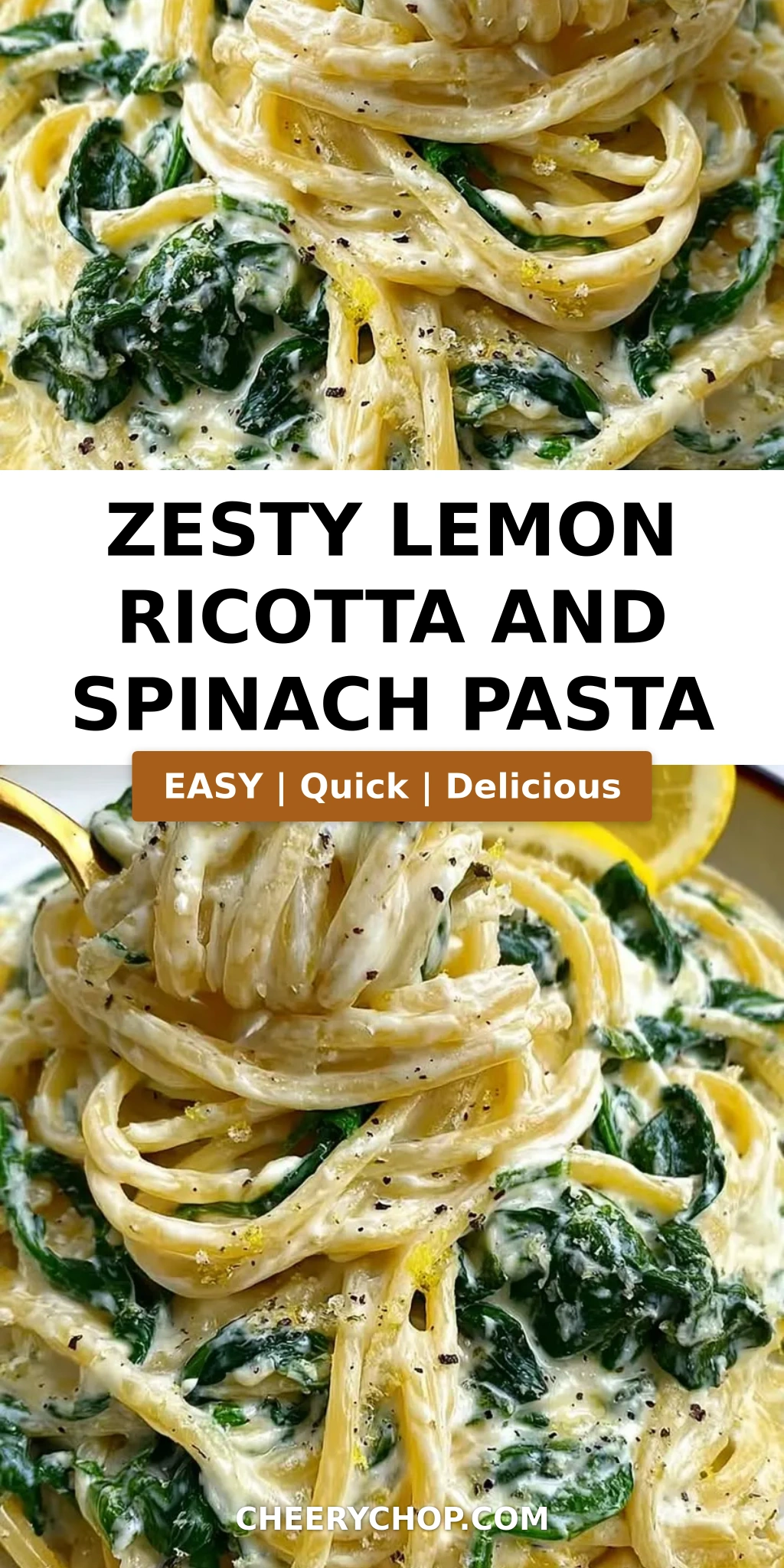
Zesty Lemon Ricotta and Spinach Pasta
This zesty lemon ricotta and spinach pasta is a quick, creamy, and bright weeknight dinner that comes together in under 30 minutes. Tangy lemon, creamy ricotta, and fresh spinach coat every strand of pasta for a deliciously satisfying meal.
- Prep Time: 5 minutes
- Cook Time: 15 minutes
- Total Time: 20 minutes
- Yield: 4 servings 1x
- Method: Main Course
- Cuisine: Italian-inspired
Ingredients
- 12 oz (340 g) pasta (such as fettuccine, linguine, or spaghetti)
- 2 tbsp olive oil
- 3 cloves garlic, minced
- 1 cup (240 g) whole milk ricotta cheese
- 1/2 cup (50 g) freshly grated Parmesan cheese, plus more for serving
- 1 lemon, zested and juiced (about 1 tbsp zest and 2–3 tbsp juice)
- 1/2 tsp red pepper flakes (optional, for heat)
- 5 oz (140 g) fresh baby spinach
- 1/2 cup (120 ml) reserved pasta water
- Salt and freshly ground black pepper, to taste
- Fresh basil or parsley, chopped, for garnish (optional)
Instructions
- Bring a large pot of salted water to a boil. Cook pasta according to package instructions until al dente. Reserve about 1/2 cup (120 ml) of pasta water before draining.
- While pasta cooks, heat olive oil in a large skillet over medium heat. Add minced garlic and sauté for 1-2 minutes until fragrant, but not browned.
- Reduce heat to low and stir in ricotta cheese, Parmesan cheese, lemon zest, lemon juice, and red pepper flakes (if using). Stir until well combined and creamy.
- Add the fresh spinach to the skillet. Cook, stirring, for 1-2 minutes until the spinach is wilted. Season with salt and pepper to taste.
- Add the drained pasta to the skillet and toss well to coat with the sauce. Add reserved pasta water gradually, 2-3 tablespoons at a time, until the sauce reaches your desired consistency (it should be creamy and slightly loose).
- Taste and adjust seasoning with more salt, pepper, or lemon juice if needed. Serve immediately, topped with extra Parmesan and fresh herbs if desired.
Notes
For extra creaminess, stir in a tablespoon of butter with the ricotta. If you prefer a more lemony flavor, add more lemon zest or a squeeze of fresh lemon juice at the end. You can also add grilled chicken or shrimp for a protein boost. Leftovers can be stored in an airtight container in the refrigerator for up to 3 days; reheat gently with a splash of water or milk.
Nutrition
- Calories: 480 kcal
- Sugar: 4 g
- Fat: 16 g
- Carbohydrates: 67 g
- Protein: 22 g
Tried This Recipe? Leave a Comment!
Did you make this recipe? I’d love to hear how it turned out! Please leave a comment and a rating below. Your feedback helps other home cooks and supports cheerychop.com!
For more delicious inspiration, follow me on Pinterest!