Table of Contents
Mediterranean Lemon Chicken with Artichokes & Olives – One-Pan Bright & Briny Perfection
I still remember the first time I made this Mediterranean lemon chicken recipe in my tiny Parisian apartment kitchen. I had just finished my pastry shift at a boulangerie in the 11th arrondissement, and I was craving the bright, bold flavors of home. My mother back in Morocco would make a version with preserved lemons and green olives — a dish that filled our kitchen with warmth and the scent of sunshine. But that night in Paris, I had chicken breasts, a lemon, and a jar of artichoke hearts from the marché. I threw it all in a skillet, and what came out was so good I called my mom right then — midnight her time — to tell her I’d finally created something that tasted like us, but with a French-trained twist. This easy Mediterranean chicken dinner is that recipe.
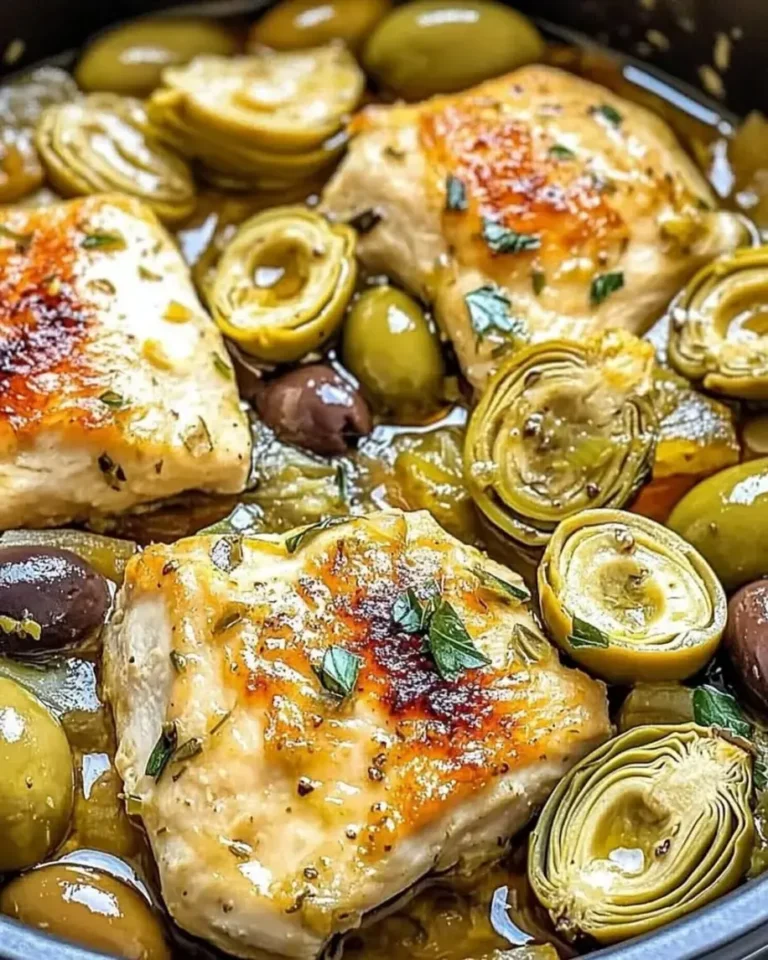
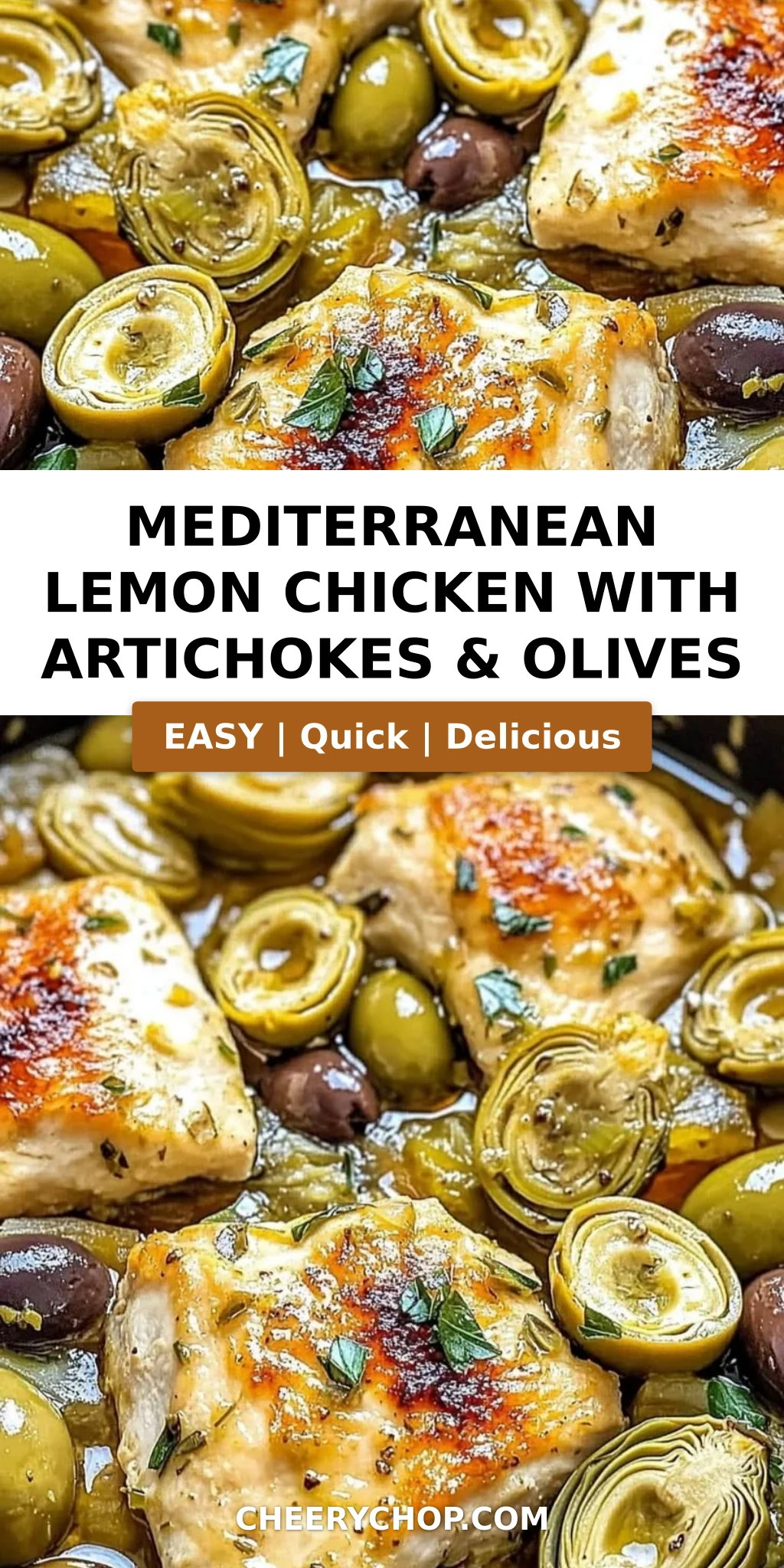
Imagine this: golden-brown chicken breasts, pan-seared until the skin is crisp and the edges are lacy, then bathed in a garlicky lemon-oregano sauce that sizzles the moment it hits the hot pan. Tender artichoke hearts and briny Kalamata olives join the party, soaking up all that citrusy goodness. The aroma — bright lemon, earthy oregano, and a whisper of garlic — fills your kitchen like a ticket to the Greek Isles. Every bite is a contrast: the juicy chicken, the tender-tangy artichokes, the salty pop of olives. And the sauce? It’s liquid gold. I finish mine with a sprinkle of fresh parsley and a pinch of Aleppo pepper (a nod to my NYC spice haunts), and honestly, I could drink it straight from the spoon.
This isn’t just another one-pan chicken with olives recipe. It’s the one I’ve perfected over years — the one my French chef instructor would have approved of (yes, even with capers) and the one my Moroccan mother asks me to make every time I visit. In this post, I’ll walk you through every detail: the quick lemon marinade that makes the chicken sing, the pan technique that guarantees no dry meat, and the one ingredient swap that can take this from good to absolutely showstopping. I’ll also share the common mistake most home cooks make with artichokes — and how to avoid it. From my NYC kitchen to yours, let’s make this Mediterranean lemon chicken together.
Why This Mediterranean Lemon Chicken Recipe Is the Best
The Flavor Secret. This Greek lemon chicken skillet gets its punch from a two-step lemon treatment: a quick marinade with lemon zest and juice, plus a final squeeze at the end for brightness. Growing up in Morocco, my mother taught me that lemon isn’t just an acid — it’s a seasoning. In Paris, my chef instructor drilled us on the importance of layering citrus — zest at the beginning for aroma, juice at the end for lift. That technique is the backbone of this dish. The oregano, garlic, and briny olives don’t just sit on top — they meld into the chicken as it simmers, creating a sauce that tastes like it’s been cooking for hours.
Perfected Texture. Nothing ruins a chicken dinner like dry, stringy meat. I’ve tested this one-pan chicken with olives recipe more times than I can count to nail the texture. The trick? A quick sear over medium-high heat to lock in juices, followed by a gentle simmer in chicken broth that keeps the meat moist while it finishes cooking. The artichokes and olives stay tender but never mushy — they hold their shape and absorb just enough of that lemon-oregano broth. Every forkful is succulent, never dry. This is the kind of texture you’d expect from a slow-braised dish, but it comes together in under 30 minutes.
Foolproof & Fast. If you’re new to Mediterranean cooking, this is the recipe to start with. One skillet, simple ingredients from any US grocery store, and a no-fuss method that works every time. I’ve taught this to busy parents, college students, and friends who claim they can’t cook — and every single one has succeeded on the first try. It’s an easy Mediterranean chicken dinner that feels fancy enough for date night but is simple enough for a Tuesday. Plus, the whole dish comes together in one pan — less cleanup, more time to enjoy that glass of white wine you’ve earned.
Mediterranean Lemon Chicken Recipe Ingredients
I source my ingredients from three places: the Union Square Greenmarket for fresh lemons and parsley, Kalustyan’s on Lexington for the best oregano and olives, and my local Fairway for everything else. Each component in this Mediterranean lemon chicken recipe plays a role — here’s what you’ll need and why it matters.
Ingredients List
- 4 boneless, skinless chicken breasts (about 6 oz each)
- 2 tablespoons olive oil (extra-virgin for best flavor)
- 1 lemon (zest and juice — get the brightest one you can find)
- 2 teaspoons dried oregano (Greek oregano if you can find it)
- 1 teaspoon garlic powder
- 1/2 teaspoon salt
- 1/4 teaspoon black pepper
- 1 cup artichoke hearts, drained and chopped (canned or jarred)
- 1/2 cup Kalamata olives, pitted and sliced
- 1/4 cup fresh parsley, chopped (for garnish)
- 1/2 cup chicken broth (low-sodium)
- 1 tablespoon capers (optional — but I highly recommend them)
Ingredient Spotlight
Lemon. This is the star. I use one lemon for both zest and juice — the zest goes into the marinade for aromatic depth, and the juice finishes the dish for bright acidity. Look for lemons that feel heavy for their size, with smooth, thin skin. Meyer lemons work beautifully if you find them (they’re sweeter and less acidic), but any supermarket lemon will do. Never use bottled lemon juice — it lacks the complexity of fresh.
Artichoke Hearts. Canned or jarred artichoke hearts are a time-saver and work perfectly here. I use the ones packed in water or brine, not marinated (the marinade can overpower the dish). Drain them well and give them a rough chop. If you’re feeling ambitious, you can use frozen artichoke hearts — just thaw and pat them dry before adding them to the skillet. Fresh artichokes are lovely but require significant prep, and for this easy Mediterranean chicken dinner, convenience is key.
Kalamata Olives. Their briny, fruity flavor is irreplaceable in this Greek lemon chicken skillet. I buy them pitted to save time, but whole ones work too — just pit them yourself. If you can’t find Kalamata, Castelvetrano olives are a great substitute (they’re milder and buttery). Avoid canned black olives; they’re too soft and lack the complexity this dish needs.
Dried Oregano. Greek oregano is my go-to — it’s more aromatic and slightly peppery than the Italian variety. If you only have Italian oregano, it’ll work, but add an extra 1/2 teaspoon. Fresh oregano is lovely but harder to find year-round; use 2 tablespoons fresh if you have it.
| Original Ingredient | Best Substitution | Flavor / Texture Impact |
|---|---|---|
| Kalamata olives | Castelvetrano olives | Milder, buttery flavor; less briny, still great texture |
| Artichoke hearts (canned) | Frozen artichoke hearts, thawed & patted dry | Slightly firmer texture; similar flavor, drain well to avoid sogginess |
| Dried Greek oregano | Italian oregano + 1/2 tsp more | Slightly less aromatic; still works well |
| Chicken broth | Dry white wine + water (half each) | More complex, wine adds acidity — use a crisp Sauvignon Blanc |
| Fresh parsley | Fresh mint or fresh dill | Mint adds brightness; dill adds earthiness — both work |
How to Make Mediterranean Lemon Chicken — Step-by-Step
This one-pan chicken with olives recipe comes together in a single skillet — no fuss, no piles of dishes. Trust me, if you can sear chicken and simmer a sauce, you can absolutely nail this one.
Step 1: Marinate the Chicken
In a medium bowl, combine 1 tablespoon olive oil, the zest of 1 lemon, 1 teaspoon dried oregano, 1 teaspoon garlic powder, 1/2 teaspoon salt, and 1/4 teaspoon black pepper. Add the chicken breasts and toss to coat evenly. Let it sit at room temperature for 15 minutes — just enough time for the flavors to penetrate the surface. Don’t go longer than 30 minutes, or the acid from the lemon can start to “cook” the exterior of the chicken, making it mealy.
💡 Sara’s Pro Tip: Pat the chicken dry with paper towels before marinating. This helps the oil and spices adhere better and gives you a more beautiful golden sear.
Step 2: Sear the Chicken
Heat the remaining 1 tablespoon olive oil in a large skillet (12-inch) over medium-high heat until it shimmers. Add the chicken breasts — don’t crowd them; work in batches if needed. Sear for 4–5 minutes per side, until deep golden brown and a crust has formed. The chicken doesn’t need to be cooked through yet — it will finish in the sauce. Transfer to a plate and set aside.
⚠️ Common Mistake to Avoid: Moving the chicken too soon. Let it sear undisturbed for the full 4–5 minutes. If you try to flip it and it sticks, it’s not ready — give it another minute. Patience = perfect crust.
Step 3: Build the Sauce
Reduce heat to medium. Add the chopped artichoke hearts and sliced olives to the skillet, stirring for 1–2 minutes to coat them in the browned bits left from the chicken. Pour in the chicken broth, the juice of the lemon, and the remaining 1 teaspoon dried oregano. Use a wooden spoon to scrape up any browned bits from the bottom of the pan — that’s flavor you don’t want to leave behind.
💡 Sara’s Pro Tip: If you’re using capers, add them now. They’ll soften slightly and release their briny goodness into the sauce. I add mine right after the broth.
Step 4: Simmer and Finish
Return the chicken to the skillet, nestling it into the sauce. Spoon some of the artichokes and olives over the top. Bring the sauce to a gentle simmer, then cover the skillet with a lid or foil. Reduce heat to low and cook for 8–10 minutes, until the chicken is cooked through (internal temperature of 165°F). Remove from heat, let it rest for 2 minutes, then garnish with fresh parsley and an extra squeeze of lemon if desired.
⚠️ Common Mistake to Avoid: Overcrowding the pan during the simmer. If your skillet is too full, the chicken will steam instead of finishing in the sauce. Use a wide 12-inch skillet to give everything room to breathe.
| Step | Action | Duration | Key Visual Cue |
|---|---|---|---|
| 1 | Marinate chicken with oil, lemon zest, and spices | 15 minutes | Coating evenly covers the surface |
| 2 | Sear chicken in hot oil until golden | 4–5 min per side | Deep golden brown crust, releases easily from pan |
| 3 | Sauté artichokes and olives, add broth and lemon juice | 2–3 minutes | Browned bits dissolve into sauce, liquid bubbles |
| 4 | Simmer covered with chicken | 8–10 minutes | Chicken reaches 165°F, sauce slightly thickened |
Serving & Presentation
When I serve this Greek lemon chicken skillet, I like to bring the whole pan to the table — it feels so rustic and welcoming. Spoon the chicken onto individual plates with plenty of the artichokes, olives, and sauce. I always add a final flourish: a sprinkle of fresh parsley, a pinch of Aleppo pepper (or red pepper flakes), and a few thin slices of lemon on the side. It brightens the plate and lets everyone know this is a lemon-forward dish.
In my NYC apartment, I usually pair this with warm crusty bread to soak up every last drop of the sauce. But it’s also wonderful over fluffy couscous (a nod to my Moroccan roots), or alongside a simple Greek salad. For wine, a crisp Sauvignon Blanc or a dry Pinot Grigio is perfect — the acidity cuts through the richness of the olives and complements the lemon beautifully.
| Pairing Type | Suggestions | Why It Works |
|---|---|---|
| Side Dish | Crusty bread, couscous, orzo, roasted potatoes | Soaks up the lemon-oregano sauce perfectly |
| Sauce / Dip | Tzatziki, hummus, or a lemon-herb yogurt | Cools the briny warmth and adds creaminess |
| Beverage | Sauvignon Blanc, Pinot Grigio, or lemon-infused sparkling water | Acidity mirrors the lemon and cuts the olive richness |
| Garnish | Fresh parsley, Aleppo pepper, lemon slices, capers | Adds color, freshness, and a final pop of brightness |
Make-Ahead, Storage & Reheating
Between running my food blog and exploring NYC’s food scene, I’m all about meals that work for my schedule. This easy Mediterranean chicken dinner is perfect for meal prep — I often make a double batch on Sunday and enjoy it throughout the week. Here’s how to store and reheat it so every serving tastes as fresh as the first.
| Method | Container | Duration | Reheating Tip |
|---|---|---|---|
| Refrigerator | Airtight container | 3–4 days | Reheat in a skillet over medium-low with a splash of broth or water to loosen the sauce |
| Freezer | Freezer-safe zip-top bag or container | 2 months | Thaw overnight in the fridge, then reheat gently in a skillet — add a splash of broth |
| Make-Ahead | Prepare through step 3, refrigerate separately | 1 day in advance | Reheat sauce, add chicken, and simmer as directed — fresh-tasting results |
My go-to reheating method: I place the chicken and sauce in a skillet over medium-low heat, add a tablespoon of chicken broth or water, cover, and warm for 5–7 minutes. The sauce loosens up beautifully, and the chicken stays moist. Avoid the microwave if you can — it tends to dry out the chicken and make the olives rubbery.
💡 Sara’s Pro Tip: If you’re meal-prepping, store the chicken whole and slice it just before serving. This prevents the meat from drying out and keeps the texture perfect all week.
Variations & Easy Swaps
| Variation | Key Change | Best For | Difficulty Impact |
|---|---|---|---|
| Moroccan Spiced | Add 1 tsp cumin + 1/2 tsp cinnamon + 1/4 tsp turmeric | Warm, earthy depth — a nod to North African flavors | No change |
| Gluten-Free / Dairy-Free | Use certified GF broth; serve with rice or quinoa | Dietary needs — naturally GF and DF as written | No change |
| Spring Herb Twist | Replace oregano with fresh dill + mint + chives | Bright, fresh flavor — ideal for spring and summer | No change |
Moroccan Spiced Variation
This version is a love letter to my childhood. Add 1 teaspoon ground cumin, 1/2 teaspoon cinnamon, and 1/4 teaspoon turmeric to the marinade. The warmth of the spices plays beautifully against the bright lemon and briny olives. It’s comfort food with a North African soul — serve it over couscous with a sprinkle of toasted almonds for texture.
Gluten-Free / Dairy-Free Variation
This Greek lemon chicken skillet is already naturally gluten-free and dairy-free as written! Just double-check that your chicken broth is certified gluten-free (most are, but some brands add wheat-based flavorings). Serve it with rice, quinoa, or roasted potatoes instead of bread. The sauce is so flavorful that you won’t miss the gluten at all.
Spring Herb Twist
When I find gorgeous fresh herbs at the Union Square Greenmarket, I swap the dried oregano for a generous handful of fresh dill, mint, and chives — about 2 tablespoons total, finely chopped. Add them to the sauce just before serving. The flavor is brighter, greener, and incredibly fresh. It’s my go-to for warmer months, paired with a crisp cucumber salad.
Can I use frozen artichoke hearts instead of canned for this Mediterranean lemon chicken recipe?
Absolutely — frozen artichoke hearts work wonderfully in this Mediterranean lemon chicken recipe. The key is to thaw them completely, then pat them very dry with paper towels before adding them to the skillet. Frozen artichokes have a bit more texture than canned ones, which I actually love — they hold their shape better during the simmer. Just make sure to drain any excess moisture and pat them dry so they don’t water down the sauce. If you’re using frozen, add them directly to the skillet with the olives and sauté for an extra minute to remove any remaining moisture before adding the broth.
How long should I marinate the chicken to get the best lemon flavor in this dish?
For the best lemon flavor in this Greek lemon chicken skillet, marinate the chicken for 15 minutes at room temperature — no more than 30 minutes. Because the marinade includes fresh lemon juice, the acid can begin to denature the proteins on the surface of the chicken if left too long, creating a mealy or mushy texture. The 15-minute window is perfect: it gives the lemon zest, oregano, and garlic time to infuse the exterior without compromising the meat’s texture. If you want even more lemon flavor, I recommend adding an extra squeeze of fresh lemon juice just before serving — it brightens the dish without affecting the chicken’s texture.
What can I use as a substitute for Kalamata olives if I don’t have them on hand?
If you don’t have Kalamata olives for this one-pan chicken with olives recipe, the best substitute is Castelvetrano olives — they’re milder, buttery, and have a lovely firm texture that holds up well in the skillet. You can also use Cerignola olives (green or black), which are large and meaty. Avoid canned black olives — they’re too soft and will break down in the sauce. If you’re looking for the same briny punch, you can add an extra tablespoon of capers or a splash of olive brine to the sauce. The flavor will shift slightly but still be delicious and Mediterranean-inspired.
Should I serve this Mediterranean lemon chicken with rice or crusty bread?
Honestly, you can’t go wrong with either — but if I have to choose, I’d say crusty bread is my top pick for this easy Mediterranean chicken dinner. The bread soaks up every drop of that bright lemon-oregano sauce, and there’s something so satisfying about wiping the pan clean with a warm piece of baguette. That said, fluffy couscous (a staple in my Moroccan kitchen) is a close second — it catches the sauce beautifully and adds a lovely texture. Rice, especially basmati or jasmine, works well too but doesn’t absorb as much flavor. For a low-carb option, serve it over roasted zucchini ribbons or cauliflower rice.
Can I use chicken thighs instead of chicken breasts in this recipe?
Yes, chicken thighs are a fantastic substitute in this Mediterranean lemon chicken recipe. I actually love using boneless, skinless thighs — they’re more forgiving than breasts and stay incredibly juicy. The cooking time will be similar, about 8–10 minutes simmered, but I recommend checking the internal temperature (thighs should reach 175°F for the most tender texture). If you use bone-in thighs, increase the simmer time to 12–15 minutes. The dark meat pairs beautifully with the briny olives and lemon, and the sauce takes on an even richer flavor. It’s a wonderful swap if you’re feeding a family that prefers dark meat.
How do I keep the chicken from drying out in this lemon chicken skillet?
Keeping chicken moist in a lemon chicken skillet comes down to three things: a quick marinade, a proper sear, and a gentle simmer. First, the marinade with olive oil helps seal in moisture. Second, sear the chicken over medium-high heat until deeply golden — this creates a crust that locks in juices. Third, after adding the broth, keep the heat at a gentle simmer (not a boil) and cover the pan. The steam helps the chicken cook evenly without drying out. Always use an instant-read thermometer to check for doneness: 165°F for breasts, and let the chicken rest for 2–3 minutes before slicing. Resting redistributes the juices so every bite is tender.
Can I make this Mediterranean lemon chicken recipe in advance for a dinner party?
Absolutely — this easy Mediterranean chicken dinner is perfect for entertaining in advance. I often prepare it through step 3 (the sauce with artichokes and olives, before adding the chicken) up to one day ahead. Refrigerate the sauce separately from the marinated chicken. When guests arrive, simply reheat the sauce in the skillet, add the chicken, and simmer covered for 8–10 minutes. It comes together in minutes and tastes like you’ve been cooking all day. You can also fully cook the dish, let it cool, and refrigerate it whole (see my storage tips above), then reheat gently before serving. The flavors actually deepen overnight — it’s even better the next day.
What’s the best way to add more vegetables to this one-pan chicken dish?
This Greek lemon chicken skillet welcomes extra vegetables beautifully. I love adding 1 cup of cherry tomatoes, halved, toward the end of cooking — they burst and create a juicy, slightly sweet sauce that balances the briny olives. Chopped bell peppers (especially red or yellow) sautéed with the artichokes add color and sweetness. For greens, stir in a handful of fresh spinach or arugula just before serving — it wilts in 30 seconds and adds a fresh, peppery note. If you want to add zucchini, slice it into half-moons and sauté it with the artichokes. The key is to match the cooking time so everything finishes together.
Can I use fresh oregano instead of dried in this recipe?
Yes, fresh oregano is a wonderful substitute in this Mediterranean lemon chicken recipe. Use 2 tablespoons of fresh oregano leaves, finely chopped, in place of the 2 teaspoons dried. Fresh oregano has a softer, slightly sweeter flavor than dried, so I recommend adding half of it to the marinade and the other half to the sauce just before serving to preserve its delicate flavor. Dried oregano is more concentrated and holds up better during longer cooking, but fresh adds a lovely garden-fresh brightness. If you’re using fresh, know that the dish will have a milder oregano presence — you can always add a little extra to taste.
Is this Mediterranean lemon chicken recipe spicy?
No, this one-pan chicken with olives recipe is not spicy in the traditional sense — it’s bright, briny, and herbaceous, with no chili heat. The warmth comes from the oregano and garlic, not from any hot spices. However, I love finishing it with a pinch of Aleppo pepper or red pepper flakes for a gentle, fruity warmth that doesn’t overpower the dish. If you’re serving a family with kids or guests who are sensitive to heat, simply skip the pepper flakes. You can also serve them on the side so everyone can adjust to their preference. This dish is all about the bright lemon and savory olives — not heat.
Share Your Version!
I can’t wait for you to try this Mediterranean lemon chicken recipe — it’s one of those dishes that feels special enough for a celebration but simple enough for a weeknight. When you make it, I’d love to hear how it turns out. Did you add extra capers? Serve it with couscous instead of bread? Try the Moroccan spice variation? Leave a star rating and a comment below — your feedback helps me create more recipes you’ll love, and it helps other home cooks find their way to this bright, briny skillet.
And if you’re on Instagram or Pinterest, snap a photo and tag @cheerychop — I love scrolling through your creations. Seeing this Greek lemon chicken skillet on your table makes my day every single time. Until next time, keep cooking with love and a little bit of lemon.
From my NYC kitchen to yours — I hope this recipe brings as much warmth to your table as it does to mine. — Sara 🧡
Love This Recipe? Save It to Pinterest!
If you enjoyed this Mediterranean Lemon Chicken with Artichokes & Olives recipe, don’t let it get lost in your browser tabs! 😄 Pin it now so you can find it again anytime — and explore hundreds more tried-and-tested recipes waiting for you on my Pinterest boards.
👉 Follow Sara on Pinterest @chefrecipes2
📌 Pin this recipe · 🔁 Re-pin your favorites · 💬 Tag me when you make it — I love seeing your creations!
Did You Make This Recipe?
I’d love to know how your Mediterranean lemon chicken turned out! Leave a comment below with your star rating, and share any swaps or twists you tried. Tag @cheerychop on Instagram or Pinterest so I can cheer you on — I read every single comment! 🧡
Mediterranean Lemon Chicken with Artichokes & Olives
Ingredients
- 4 boneless, skinless chicken breasts
- 2 tablespoons olive oil
- 1 lemon, zest and juice
- 2 teaspoons dried oregano
- 1 teaspoon garlic powder
- 1/2 teaspoon salt
- 1/4 teaspoon black pepper
- 1 cup artichoke hearts, drained and chopped
- 1/2 cup Kalamata olives, pitted and sliced
- 1/4 cup fresh parsley, chopped
- 1/2 cup chicken broth
- 1 tablespoon capers (optional)
Instructions
Tried This Recipe? Leave a Comment!
Did you make this recipe? I’d love to hear how it turned out! Please leave a comment and a rating below. Your feedback helps other home cooks and supports cheerychop.com!
For more delicious inspiration, follow me on Pinterest!